
Struggling with Anxiety? Here’s What Really Helps
Practical Strategies to Ease Your Anxious Mind

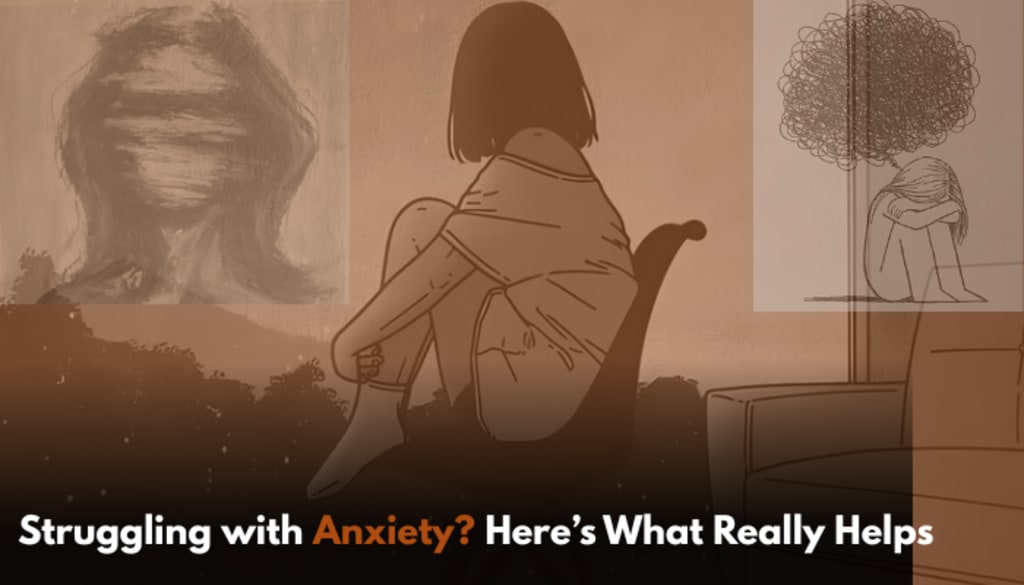
Anxiety can feel overwhelming, like an invisible weight that makes even simple tasks seem daunting. Whether it creeps in during stressful moments or lingers constantly, finding effective ways to manage it is essential. While there’s no one-size-fits-all solution, certain strategies and treatments have stood the test of time and research, offering real relief and renewed hope.
This article explores proven approaches that genuinely help ease anxiety symptoms, empowering you to take control and improve your well-being. From therapy techniques to lifestyle changes, here’s what you need to know.
Understanding What Anxiety Really Is
Before diving into solutions, it’s important to understand anxiety’s nature. Anxiety is more than just feeling nervous, it’s a complex response involving the brain, body, and environment.
- It triggers the “fight or flight” response, causing physical symptoms like rapid heartbeat and muscle tension.
- Anxiety can be situational (like before a presentation) or chronic, interfering with daily life.
- It’s influenced by genetics, brain chemistry, and life experiences.
Recognizing these factors helps in choosing the right treatment and developing realistic expectations for recovery.
Cognitive Behavioral Therapy, Changing Thought Patterns
One of the most effective treatments for anxiety is Cognitive Behavioral Therapy (CBT). This structured form of therapy focuses on identifying and changing negative thought patterns that fuel anxious feelings.
CBT helps you:
- Recognize irrational fears and challenge them with logic.
- Develop coping mechanisms to handle anxiety-provoking situations.
- Gradually face fears in a controlled way through exposure techniques.
Many studies confirm that CBT can significantly reduce anxiety symptoms, making it a first-line treatment recommended by mental health professionals worldwide.
Mindfulness and Relaxation Techniques for Daily Relief
Practicing mindfulness and relaxation isn’t just trendy it’s backed by science. These methods teach you to stay present and calm, reducing the intensity of anxious thoughts.
Some powerful techniques include:
- Deep breathing exercises: Slowing your breath can calm your nervous system.
- Progressive muscle relaxation: Tensing and releasing muscles helps ease physical tension.
- Guided meditation: Using focused attention to relax the mind.
- Mindfulness meditation: Observing thoughts without judgment to prevent spiraling anxiety.
Regularly incorporating these practices can build resilience and create moments of peace throughout the day.
Lifestyle Changes That Make a Difference
While therapy and mindfulness tackle Anxiety directly, lifestyle choices support overall mental health and reduce triggers.
Consider these adjustments:
- Regular exercise: Physical activity releases endorphins, natural mood boosters.
- Balanced diet: Nutrient-rich foods support brain function and energy.
- Adequate sleep: Poor sleep worsens anxiety; prioritize good sleep hygiene.
- Limit caffeine and alcohol: Both can heighten anxiety symptoms.
- Social connections: Spending time with supportive friends and family eases stress.
These foundational habits provide a healthier platform for managing anxiety effectively.
Medication, When and How It Helps
Medication isn’t a cure but can be a helpful part of a comprehensive anxiety management plan, especially for moderate to severe cases.
Common options include:
- Selective serotonin reuptake inhibitors (SSRIs): Often first prescribed for anxiety.
- Benzodiazepines: Used short-term to reduce acute anxiety episodes.
- Buspirone: Specifically for generalized anxiety disorder.
- Beta-blockers: Help control physical symptoms like rapid heartbeat.
Always consult a qualified healthcare provider before starting or stopping any medication to ensure safety and effectiveness.
Support Groups and Peer Connections
Sharing experiences with others who understand anxiety can be deeply validating and helpful.
Support groups provide:
- A safe space to express fears and frustrations.
- Tips and encouragement from peers.
- Reduced feelings of isolation.
Whether in person or online, connecting with others facing similar challenges fosters hope and practical insight.
When to Seek Professional Help
If anxiety disrupts your ability to work, socialize, or enjoy life, professional help is crucial. Early intervention improves outcomes and prevents worsening symptoms.
Signs it’s time to reach out:
- Anxiety persists for weeks or months without improvement.
- Physical symptoms like chest pain or dizziness appear.
- Avoidance of activities or people due to fear.
- Trouble concentrating or sleeping consistently.
A mental health specialist can assess your situation and tailor a treatment plan that fits your needs.
Key Takeaway
Anxiety can feel isolating, but help is available and effective. Whether through therapy, lifestyle shifts, or a combination of approaches, many people find significant relief and regain control over their lives.
If you or a loved one are ready to seek professional guidance, know that you don’t have to face this alone. Personalized care makes all the difference.
Having worked with many clients seeking lasting relief, I understand how important it is to find trusted guidance. If you’re in Philadelphia and need tailored assistance, consider reaching out to specialized services offering anxiety counseling Philadelphia where compassionate experts help you develop coping strategies that truly fit your life.
If you're finding the healing process overwhelming, you might relate to this blog "Why Trauma Therapy Feels So Hard and How to Make It Easier."
About the Creator
Leah Lord
Hi, I'am Leah,
I help therapy practices grow by creating content that connects. From DBT and trauma therapy to ketamine-assisted psychotherapy, I work behind the scenes with expert clinicians Visit Us - In-person therapy Philadelphia
How to Time Travel: 5 Methods According to Science
For a long time, the idea of traveling through time was tucked away in the "fiction" section of the library, right next to wizards and space monsters. But in recent years, the conversation has shifted. With mysterious "time traveler" photos popping up on the internet and physicists like Stephen Hawking weighing in, we have to ask: Is time travel actually possible?
By Areeba Umair5 days ago in FYI


Comments
There are no comments for this story
Be the first to respond and start the conversation.