
Specialized Power Management ICs: Advanced Control Techniques for PFC, LED Drivers, and Motor Controllers
Learning Specialized Power Management ICs for Advanced Control Techniques
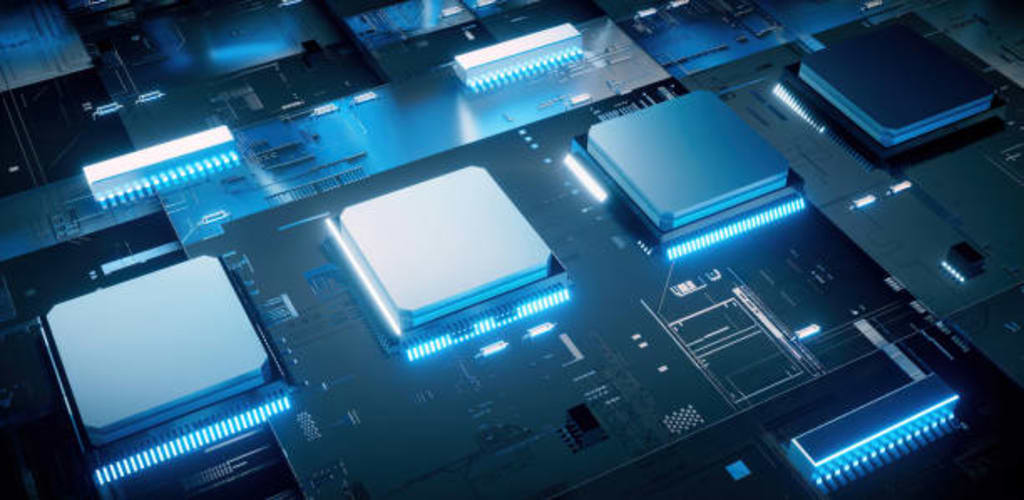
Power management integrated circuits (PMICs) are critical components in modern electronic systems, managing power conversion, regulation, and distribution. While standard PMICs are widely used in consumer electronics and computing, specialized PMICs are designed for niche applications such as power factor correction (PFC), LED drivers, and motor controllers. These ICs require advanced control techniques to ensure energy efficiency, reliability, and precision. This blog post delves into the specialized PMICs, their applications, and the challenges involved in designing high-performance power systems.
Introduction to Specialized PMICs for Niche Applications
Specialized PMICs are tailored to meet the unique demands of applications that involve complex power management, high efficiency, and reliability. These ICs are integral to industries such as industrial automation, lighting systems, and renewable energy, where power efficiency and control are paramount.
The role of specialized PMICs goes beyond simple voltage regulation. They are designed to perform complex tasks like power factor correction (PFC) in AC-to-DC conversion, driving high-efficiency LEDs, and controlling electric motors in various industrial and consumer applications. Let’s explore some of these specialized power management ICs in detail.
Focus on ICs Used in Power Factor Correction (PFC), LED Drivers, and Motor Controllers
1. Power Factor Correction (PFC) ICs:
Power factor correction is an essential technique used in AC-to-DC power supplies to ensure that the power drawn from the grid is as efficient as possible. PFC improves the power factor of a system, reducing losses and minimizing harmonic distortion in the power line.
Purpose of PFC ICs:
PFC ICs are designed to regulate the input current of a power supply to align with the voltage, reducing reactive power and increasing energy efficiency.
They help meet regulatory standards for power quality and reduce power wastage in industrial systems, home appliances, and renewable energy inverters.
PFC Techniques:
Boost PFC: A common topology where the PFC IC steps up the voltage to reduce current distortion. It is widely used in industrial and commercial applications.
Bridgeless PFC: More advanced and efficient, this topology eliminates the input diode bridge, further reducing power losses and improving efficiency.
Applications of PFC ICs:
Industrial Automation: Ensures efficient power use in motor drives, control systems, and heavy machinery.
Telecom Power Supplies: Improves efficiency and reduces energy costs in telecommunication base stations.
Renewable Energy: Solar inverters and wind turbines use PFC ICs to improve grid connectivity and minimize power losses.
2. LED Driver ICs:
LED drivers are specialized PMICs designed to control and regulate the power supplied to light-emitting diodes (LEDs), ensuring optimal performance and longevity.
Purpose of LED Driver ICs:
LED drivers manage the current flowing through LEDs to prevent damage, ensure consistent brightness, and improve energy efficiency.
They provide protection from overvoltage, overcurrent, and thermal fluctuations, crucial for maintaining long life in LED systems.
Types of LED Driver ICs:
Constant Current Drivers: Regulate the current to ensure consistent illumination, commonly used in general lighting and display backlighting.
Dimmable LED Drivers: Allow for brightness control, providing energy savings and customizable lighting in smart home systems and commercial applications.
Applications of LED Driver ICs:
Lighting Systems: Used in streetlights, automotive lighting, and commercial LED lighting to improve efficiency and reduce energy consumption.
Displays and Backlighting: Provide precise control of brightness and color in LCD and OLED displays.
Smart Home and IoT Devices: Enable efficient lighting control and integration with smart home ecosystems, often used in combination with wireless technologies like Zigbee or Wi-Fi.
3. Motor Controller ICs:
Motor controller ICs are critical in industries where precise control over motor speed, torque, and position is required. These ICs handle the complexities of controlling different types of motors, such as brushed DC motors, brushless DC motors (BLDC), and stepper motors.
Purpose of Motor Controller ICs:
Motor controllers regulate the power supplied to electric motors, ensuring smooth operation, speed control, and protection against overloads.
Advanced motor controllers also incorporate algorithms for vector control, sensorless control, and pulse-width modulation (PWM) for high-efficiency motor operation.
Types of Motor Controllers:
Brushed DC Motor Controllers: Simple controllers for low-power applications like small appliances and toys.
Brushless DC (BLDC) Motor Controllers: Used in electric vehicles, drones, and industrial applications where precision and efficiency are critical.
Stepper Motor Controllers: Provide accurate positioning in 3D printers, CNC machines, and robotics.
Applications of Motor Controller ICs:
Industrial Automation: Motor controllers are essential for driving conveyor belts, robotic arms, and other automation equipment.
Electric Vehicles (EVs): Control the high-efficiency motors that drive electric cars, scooters, and bicycles.
Consumer Appliances: Washing machines, refrigerators, and air conditioners use motor controllers for energy-efficient operation.
Design Challenges and Techniques for Improving Energy Efficiency and Reliability
Specialized PMICs must meet stringent efficiency and reliability requirements, especially in industrial, automotive, and renewable energy applications. Here are some common challenges faced in designing with these ICs, along with techniques to overcome them.
1. Energy Efficiency:
Energy efficiency is a critical concern in power management. Whether in LED lighting or motor controllers, reducing power losses and optimizing conversion efficiency is essential.
Techniques for Improving Efficiency:
High-Frequency Switching: In PFC and motor controller ICs, higher switching frequencies reduce energy losses in the power conversion process. Designers should balance this with heat dissipation challenges.
Advanced Topologies: Using bridgeless PFC or multi-phase motor control topologies improves overall system efficiency by reducing the number of components and optimizing power flow.
Low-Power Design: For applications like IoT devices, specialized PMICs should be designed with low quiescent current to reduce standby power consumption.
2. Thermal Management:
In high-power applications, managing heat is one of the biggest challenges. Efficient thermal management is necessary to maintain the reliability and longevity of PMICs.
Techniques for Managing Heat:
Heat Sinks and Thermal Pads: Use of external heat sinks and thermal pads to dissipate heat from the PMIC.
Integrated Thermal Shutdown: Modern PMICs often feature integrated thermal protection to prevent overheating and extend the life of the device.
Efficient Layout Design: Proper PCB layout, with sufficient copper thickness and heat-spreading layers, can significantly improve heat dissipation.
3. Reliability and Protection:
Reliability is a critical factor in industrial and automotive applications, where failure of power systems can have severe consequences.
Techniques for Improving Reliability:
Overvoltage and Overcurrent Protection: Specialized PMICs often include built-in protection against voltage spikes and current overloads, ensuring that the system is protected against transient conditions.
Redundancy and Fault Tolerance: In critical applications like renewable energy inverters, designers may incorporate redundant PMICs and fault-tolerant systems to ensure continuous operation even in the event of a component failure.
4. EMI and Noise Reduction:
Electromagnetic interference (EMI) is a major concern in power electronics, especially in systems that deal with high currents and switching frequencies.
Techniques for EMI Reduction:
Shielding and Grounding: Proper grounding techniques and shielding can help minimize EMI in sensitive applications.
Soft Switching Techniques: Using zero-voltage switching (ZVS) or zero-current switching (ZCS) techniques can reduce noise and EMI in PFC ICs and motor controllers.
Applications in Industrial Automation, Lighting Systems, and Renewable Energy
1. Industrial Automation:
Specialized PMICs for PFC and motor control are critical in driving industrial automation systems, ensuring efficient operation of motors, robotics, and process control equipment. Energy efficiency, reliability, and precision are key factors in these environments, where power loss translates directly into operational costs.
2. Lighting Systems:
In modern lighting systems, LED drivers are the cornerstone of energy-efficient lighting, allowing for precision control of light output, color temperature, and dimming. Advanced PMICs designed for LED drivers help ensure longer LED lifetimes and greater overall energy savings.
3. Renewable Energy:
In renewable energy systems, such as solar inverters and wind power converters, specialized PMICs play a vital role in optimizing power conversion and ensuring grid stability. PFC ICs in particular are essential for aligning the power output of renewable systems with the grid's requirements, reducing power losses and improving overall energy yield.
Conclusion
Specialized PMICs, including those designed for power factor correction, LED driving, and motor control, are at the heart of modern power management solutions. As industrial automation, renewable energy, and energy-efficient lighting systems continue to evolve, the demand for advanced, reliable, and energy-efficient power management solutions will grow. By understanding the design challenges and applying advanced control techniques, engineers can create high-performance systems that meet the demanding needs of these industries.
About the Creator
Why Aviation Prioritizes Reliability Over Innovation Speed
In many industries, speed defines success. New features, faster rollouts, and rapid innovation are celebrated as competitive advantages. Aviation, however, operates under a very different philosophy. In aerospace engineering, reliability always comes before innovation speed, because even small uncertainties can have serious consequences at 35,000 feet.
By Beckett Dowhan3 days ago in FYI



Comments
There are no comments for this story
Be the first to respond and start the conversation.