
Sex and Drugs and Artichoke
Behind the C.I.A.s' quest for mind control


The vacant stare of the Catholic prelate during his show trial rang alarm bells back at C.I.A. headquarters. It was 1949 and, in Soviet-occupied Hungary, Cardinal József Mindszenty was confessing to plotting to steal the crown jewels, restoring the Austro-Hungarian monarchy, and orchestrating a third World War which would allow him to seize power for himself.
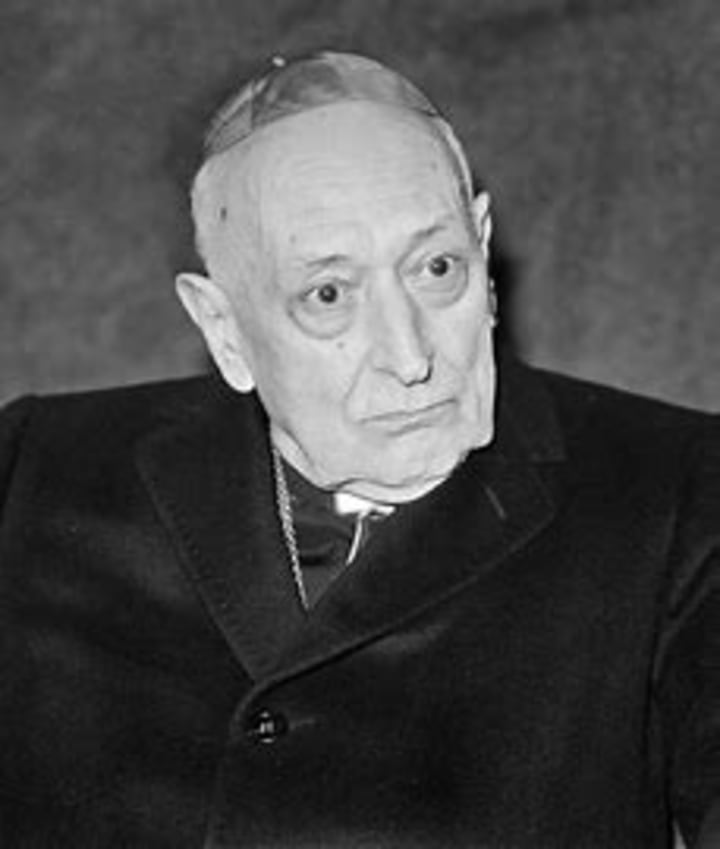
To the intelligence officers watching back in Langley, it looked like the cardinal’s mind had been taken over, that he’d been “brain-washed.” It set the agency on a decades-long course to master new “brain-washing” techniques. In 1950, Project Bluebird was born.
That name did not last long. Allen Dulles, the C.I.A.’s new deputy director, renamed it Project Artichoke. In a memo, referring to a conversation he’d had with top leadership, he wrote:
"I outlined to you the possibilities of augmenting the usual interrogation methods by the use of drugs, hypnosis, shock, etc., and emphasized the defensive aspects as well as the offensive opportunities in this field of applied medical science."
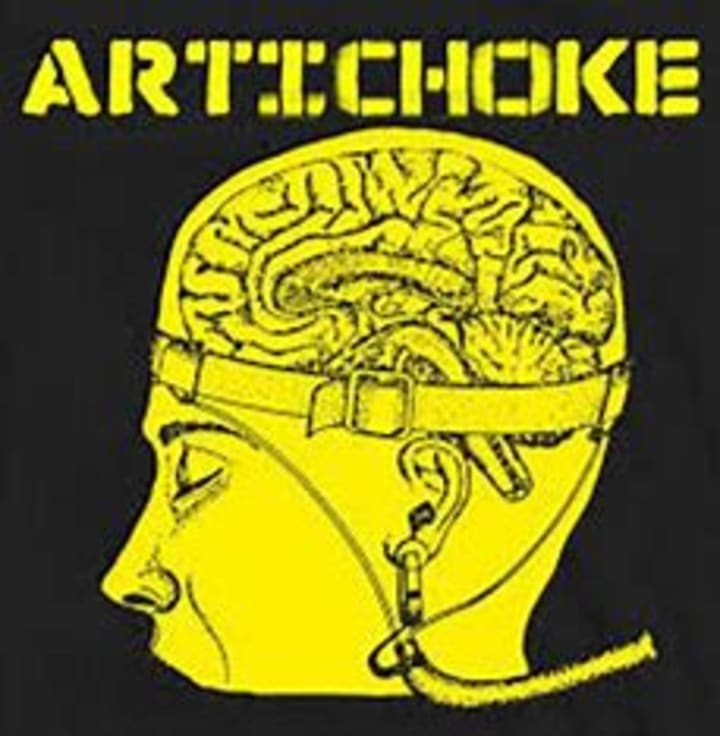
So-called Artichoke teams were sent overseas, beyond the reach of U.S. law. “Black sites” were set up in France, occupied Germany, Japan, and Korea. One of the sites, in the “sleepy German town” of Oberursel was renamed Camp King. Torture, beatings, and drug injections were carried out by Counterintelligence Corps officers, also known as “rough boys.” The staff doctor was Walter Schreiber, former surgeon-general of the Nazi army.
The subjects of Project Artichoke’s ‘experiments’ were the ‘expendables,’ refugees, defectors, or prisoners of war. They were fed or injected with massive amounts of drugs—from heroin, to cocaine, to sodium pentothal. One of the stated aims was to see if drugs and/or hypnosis could allow the C.I.A. to “get control of an individual to the point where he will do our bidding against his will and even against fundamental laws of nature, such as self-preservation."
The project took another turn when Dulles chose Sidney Gottlieb to lead it. A Jewish immigrant from the Bronx, Gottlieb was a research chemist in government laboratories. Judging that the trials on the ‘expendables’ had been unsuccessful, Gottlieb expanded the program to include electric shocks, neurosurgery, and sensory distortion. In 1953, with the election of Eisenhower to the presidency and the elevation of Dulles to director of the C.I.A., Project Artichoke became MK-Ultra and Gottlieb’s budget faced no constraints.
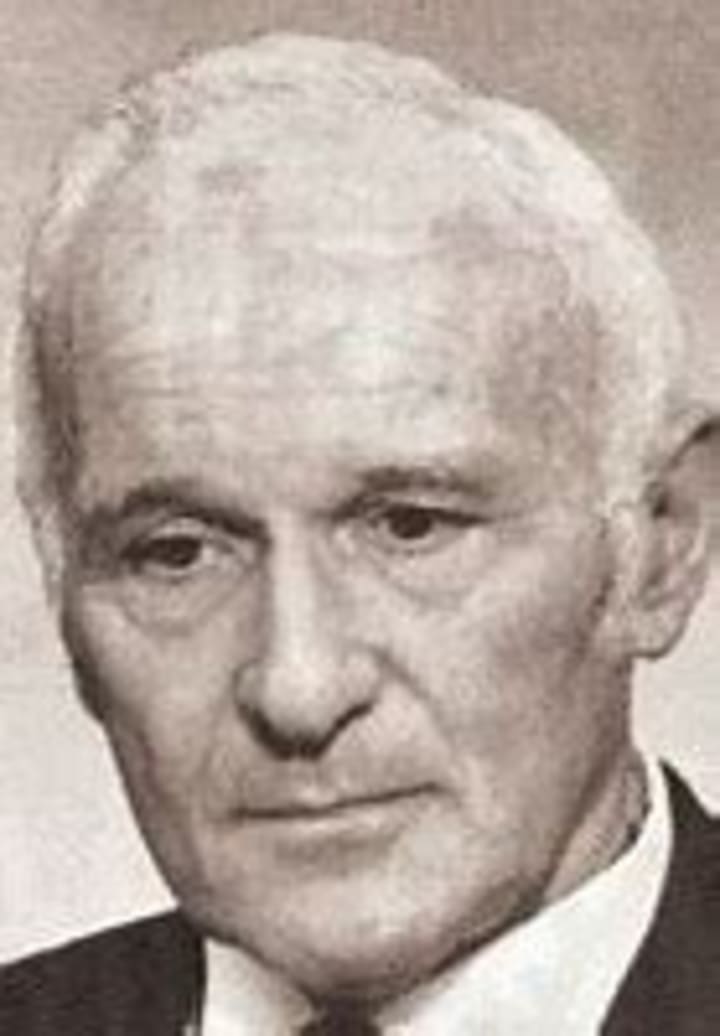
MK-Ultra brought the work back home. Drug-users and petty criminals were plucked from the streets of Greenwich Village and their drinks laced with drugs. In San Francisco, a safehouse posed as a brothel, so that evidence could be gathered about people’s behavior during and after sex.
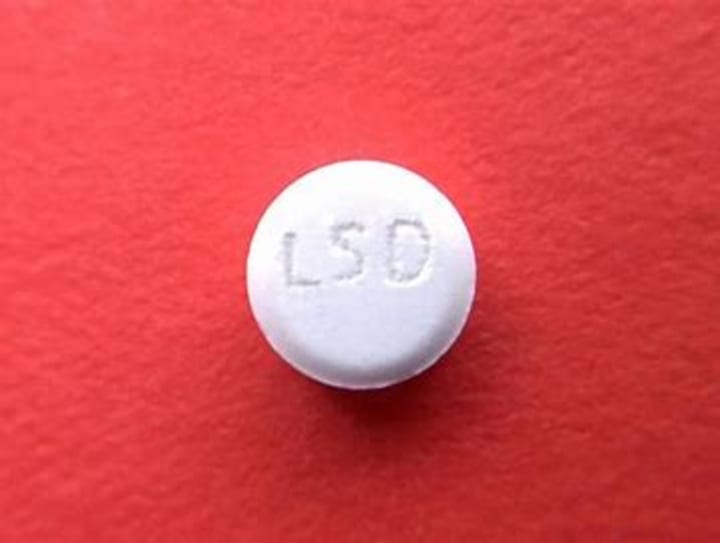
Gottlieb’s most promising drug was LSD. He experimented with it by ingesting it himself and reported having an out-of-body experience as well as a sense of euphoria. Drug manufacturer Eli Lilly was contracted to produce the drug from scratch and, at the Addiction Research Centre in Lexington, Kentucky, a new class of ‘expendables,’ African-American patients, were now enrolled in experiments to ‘shatter the mind.'
Next stop for the project was attacks on foreign leaders, Fidel Castro being the most popular target. Gottlieb schemed to lace the air with LSD in Castro’s recording studio. He plotted how to poison Castro’s cigars. Another target for poisoning was the Congo’s Patrice Lumumba. None of the plots succeeded. But there was something in the zeitgeist for political assassinations, brought to the fore by the publication in 1959 of Richard Condon’s novel, The Manchurian Candidate. In the novel and in the 1962 movie adapted from it, the C.I.A.’s dream of attaining mind control of an individual reached culmination.
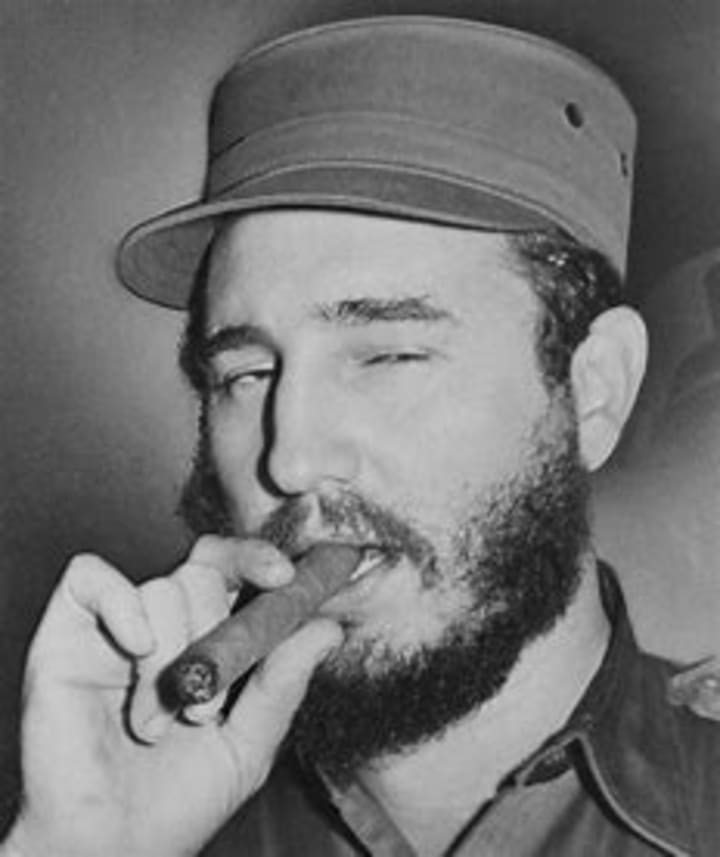
In reality, the agency was coming to different conclusions. Minds could indeed be shattered by drugs and other mental tortures, but new personalities could not be erected in their place. Although Gottlieb and his associates continued their experiments through the Sixties, political tides were changing. Watergate led to changes in the C.I.A; the Church Committee, under the chairmanship of Idaho’s Senator Frank Church, went after the agency in hearings. One of the witnesses was a defiant Sidney Gottlieb, who testified that MK-Ultra and the projects before it, Bluebird and Artichoke, had been of “the utmost urgency.”
Under cross-examination, though, Gottlieb was uncharacteristically vague. Some observers were reminded of a show trial from decades before, when a Roman Catholic cardinal had displayed both signs of paranoia and a vacant look. As for LSD, its effects were widely touted by writers like Aldous Huxley and Timothy Leary. It was criminalized nationally in 1968. But in 2019, in my home state of Oregon, a vote to decriminalize possession of small amounts passed in a ballot measure, 58 to 42 percent. As Oregon goes, so does the rest of the nation, slowly. But that’s for another story.
About the Creator
Michael Gettel-Gilmartin
Born in Panama, educated in England, resides in Portland, Oregon.
Have been hotel porter, carpet cleaner, summer school dean, ESL teacher, writer/editor, and in-home caregiver.
Keep reading
More stories from Michael Gettel-Gilmartin and writers in FYI and other communities.


Comments
There are no comments for this story
Be the first to respond and start the conversation.