
Restoring Historic Stone Arches: Challenges and Techniques
Common Challenges in Restoring Historic Stone Arches

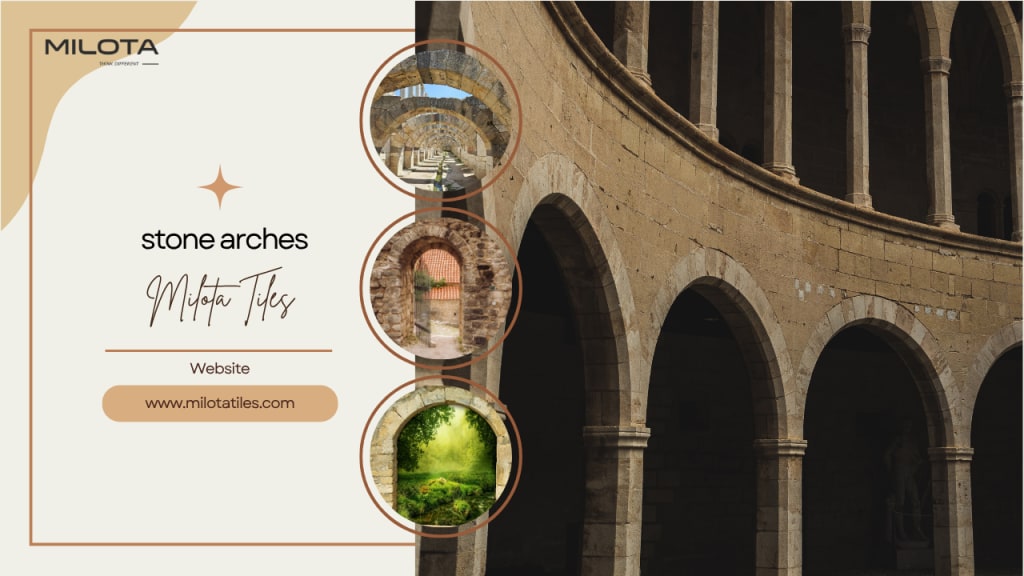
Historic stone arches are more than just structural features - they are cultural treasures that symbolize centuries of craftsmanship, engineering mastery, and architectural beauty. From Roman aqueducts to Gothic cathedrals and medieval bridges, these arches stand as a testament to human ingenuity. However, time, weather, pollution, and neglect can erode their strength and charm.
Restoring these structures requires a careful balance of engineering, artistry, and respect for tradition. Using high-quality natural stone and materials such as natural stone tiles, experts aim to preserve the authenticity of these arches while ensuring structural safety. This article explores the challenges involved in restoring historic stone arches and the techniques specialists use to bring them back to life.
The Significance of Stone Arches in History
1. Engineering Marvels
Stone arches distribute weight efficiently, allowing massive structures like bridges, cathedrals, and aqueducts to endure for centuries.
2. Cultural Identity
Many cities and regions are defined by their iconic stone arches, such as the Roman Colosseum, the Arc de Triomphe in Paris, and countless medieval bridges across Europe and Asia.
3. Aesthetic Beauty
Beyond utility, arches bring a sense of grandeur and timelessness. Their curves, often framed with natural stone tiles, embody elegance that transcends architectural trends.
Why Restoration Matters
Cultural Preservation - Restoring stone arches keeps history alive for future generations.
Safety and Functionality - Crumbling arches pose risks in public spaces.
Tourism and Economy - Historic landmarks attract visitors, supporting local economies.
Sustainable Practice - Using natural stone aligns with eco-friendly restoration efforts, minimizing synthetic materials.
Common Challenges in Restoring Historic Stone Arches
1. Weathering and Erosion
Centuries of exposure to rain, frost, and wind gradually weaken natural stone, leading to cracks and surface scaling.
2. Pollution and Acid Rain
Urban air pollution accelerates decay by corroding stone surfaces, especially limestone and sandstone arches.
3. Biological Growth
Moss, algae, and lichens penetrate stone pores, causing discoloration and further weakening the structure.
4. Structural Instability
Earthquakes, floods, or even heavy traffic near historic arches can shift foundations, threatening collapse.
5. Lack of Original Materials
Restorers often struggle to find the exact natural stone tiles or blocks used in the original construction, complicating preservation efforts.
6. Balancing Authenticity and Modern Techniques
The challenge lies in preserving authenticity while meeting today's safety standards and using modern restoration technology without altering historical aesthetics.
Key Techniques for Restoring Stone Arches
1. Detailed Assessment
Before any intervention, specialists conduct:
- Structural analysis using 3D scanning and laser mapping.
- Material testing to understand the stone's mineral composition.
- Historical research to trace original construction methods.
2. Cleaning and Surface Preparation
- Gentle Water Cleaning: Removes dirt without harming the stone.
- Micro-Abrasive Cleaning: Targets stubborn stains.
- Biological Treatment: Eco-friendly chemicals to remove moss and algae.
3. Stone Replacement and Matching
Where stones are too damaged, restorers source natural stone that matches in color, density, and porosity. Natural stone tiles may be cut to replicate missing details, ensuring visual consistency.
4. Repointing and Mortar Repair
Old mortar joints often deteriorate before the stones themselves. Using lime-based mortars instead of modern cement helps maintain historical authenticity and flexibility.
5. Structural Reinforcement
- Stainless steel anchors may be inserted discreetly.
- Epoxy resins fill fine cracks without changing appearance.
- Foundation stabilization ensures long-term durability.
6. Protective Sealing
Applying breathable sealants helps resist water penetration while allowing the stone to "breathe," preventing trapped moisture damage.
7. Use of Natural Stone Tiles in Restoration
When reconstructing decorative elements, natural stone tiles are often used for cladding, flooring, or detailing around the arch, blending durability with aesthetic precision.
Case Studies: Restoring Famous Stone Arches
1. Roman Aqueducts in Spain
Engineers used natural stone replacements sourced from local quarries to restore weakened arches, ensuring structural integrity while preserving ancient aesthetics.
2. The Ponte Vecchio in Florence
During restoration, missing stones were replaced with carefully matched natural stone tiles, bringing back the medieval charm without compromising originality.
3. Indian Stepwell Arches
Restorers combined traditional craftsmanship with modern stabilization techniques, ensuring the survival of intricately carved arches made from sandstone and granite.
Role of Natural Stone in Authentic Restoration
Durability
Natural stone withstands extreme weather, making it the most reliable material for long-term restoration.
Aesthetic Match
No artificial material replicates the depth, variation, and beauty of real stone. Using natural stone tiles ensures restored sections blend seamlessly with originals.
Sustainability
Natural stone is eco-friendly, recyclable, and requires less energy-intensive processing than synthetic alternatives.
Innovations in Stone Arch Restoration
3D Printing with Stone Powders - For replicating intricate carvings.
Laser Cleaning - Removes pollution without surface damage.
Digital Archiving - 3D scans preserve data for future restorations.
Hybrid Stone Composites - Blends natural stone with modern reinforcements.
Training and Skilled Craftsmanship
Restoring stone arches isn't only about materials - it requires the craftsmanship of skilled masons, stonecutters, and architects who understand both history and engineering. Training programs now emphasize the importance of working with natural stone to ensure future professionals can carry this heritage forward.
Balancing Modern Needs with Historical Authenticity
One of the greatest dilemmas in restoration is the balance between authenticity and functionality. While natural stone tiles help maintain aesthetics, modern interventions like hidden reinforcements ensure safety without altering the visible charm of the arch.
Cost Considerations
Restoring historic stone arches can be expensive, depending on:
- The type and rarity of the natural stone required.
- The level of structural damage.
- The complexity of carvings or decorative features.
- Accessibility of the site (remote ruins vs. urban monuments).
Bulk sourcing of natural stone tiles from specialized suppliers like Milota Tiles helps reduce overall costs without sacrificing quality.
Future of Stone Arch Restoration
Looking ahead, we can expect:
- Greater use of technology for analysis and precision repairs.
- More sustainable practices emphasizing local natural stone sourcing.
- Collaborations between historians, architects, and engineers for holistic preservation.
- A growing demand for natural stone tiles in both restoration and contemporary architecture, bridging the old with the new.
Conclusion: Preserving Legacy Through Stone
Historic stone arches are not just architectural relics - they are living chapters of human history. Their preservation demands patience, expertise, and a deep respect for heritage. By using natural stone and natural stone tiles, restoration experts ensure authenticity, durability, and sustainability.
Every restored arch is more than a repaired structure; it is a revived symbol of cultural identity, architectural brilliance, and the enduring strength of natural stone.
For architects, historians, and conservationists, the challenge lies not only in fixing what is broken but also in ensuring these magnificent arches continue to inspire for centuries to come.
About the Creator
Milota Tiles
Milota Tile is a proud venture of the Milota Group, rapidly emerging as a leading name in the manufacturing, distribution, and export of premium ceramic and porcelain tiles under the MILOTA brand.
Keep reading
More stories from Milota Tiles and writers in FYI and other communities.
Are Moroccan Tiles Waterproof? What You Need to Know
When you imagine Moroccan interiors, the first thing that often comes to mind is the timeless beauty of Moroccan tiles. With their intricate geometric designs, bold colors, and handmade authenticity, these tiles have traveled across centuries and continents to become a global design favorite. Today, you will find Moroccan tiles gracing kitchen backsplashes, bathroom walls, outdoor courtyards, and even luxury hotels around the world.
By Milota Tiles5 months ago in FYI
TUS NUA - ch 53
TUS NUA – ch 53 New Beginnings – Mia and Midnight (*)(*)(*) Finola knew Ali’s brother-in-law needed to put his mind at rest. She fed her arm through his and led him outside. “We’ll sit here. If you like, I can put a block around us so our conversation will be private.”
By Margaret Brennan2 days ago in Fiction



Comments
There are no comments for this story
Be the first to respond and start the conversation.