
Perfume Business Profits: What You Need to Know Before Starting
Understanding the Market, Costs, and Strategies for Success
Introduction
The perfume business has long been a highly profitable industry, capturing people’s fascination with luxury and personal scent. If you’re thinking about entering this world, you might be imagining high returns and a prestigious brand. But, before diving in, there’s a lot to consider. Starting a perfume business is not just about creating a pleasant fragrance; it requires an understanding of the industry, sourcing, branding, and so much more.
Understanding the Perfume Industry
The global perfume industry is massive, with a projected market size of $43.2 billion by 2028. Its growth is fueled by increasing consumer interest in personal grooming, luxury, and artisanal scents. The industry is also shaped by cultural preferences, celebrity endorsements, and seasonal trends. However, with these trends comes competition, making it essential to understand where your brand will fit in.
Perfume Business Models
When starting a perfume business, you’ll have to choose between several business models:
Wholesale vs. Retail: Wholesale businesses sell perfumes in large quantities to retailers, while retail focuses on direct sales to consumers. The choice between these models depends on your capital, supply chain, and customer acquisition strategies.
Private Label vs. Branded: Private label perfumes are produced by one company but sold under another’s branding. In contrast, creating a branded perfume means that you control both the product and the brand identity. Private label options are faster to launch, but branded perfumes offer more control and long-term profitability.
Sourcing Your Perfume
Choosing the right suppliers is crucial. Whether you are developing your own formula or buying stock scents, working with reputable manufacturers ensures the quality of your product. Always ask for samples, and don’t compromise on quality—it’s the heart of your business. Look for manufacturers with a proven track record, especially in handling fragrances.
Packaging Matters: Importance of Presentation
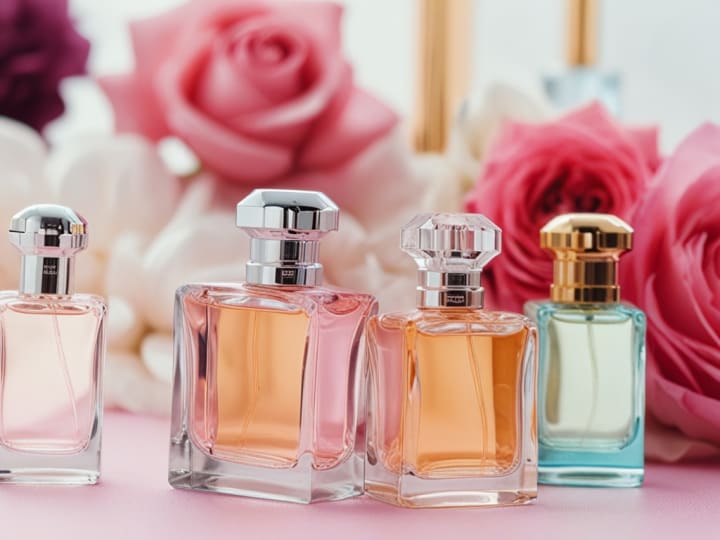
In the perfume industry, presentation can make or break your product. Consumers are often drawn to aesthetically pleasing packaging, and many make buying decisions based on how the perfume is presented. Invest in beautiful, functional packaging that not only protects the product but also enhances its perceived value.
Sourcing perfume boxes at wholesale prices is essential for cutting down costs without sacrificing design. Wholesale purchasing allows you to keep your packaging budget under control while still offering eye-catching designs that appeal to your target audience.
Branding Your Perfume
Branding is what sets your perfume apart in a crowded market. A strong brand tells a story that resonates with your audience and offers an emotional connection. Whether you’re going for a luxurious, niche vibe or a fresh, youthful appeal, your brand should reflect your target market’s desires.
Focus on creating a unique brand identity, from the logo to the scent names, that will be recognizable and memorable to your customers.
Marketing Your Perfume Business
Marketing is one of the most critical parts of running a perfume business. You need to reach your audience and get your product in front of potential customers. Some of the best marketing channels for perfume businesses include social media platforms like Instagram and TikTok, which emphasize visuals and lifestyle.
Building an Online Presence
Nowadays, having an online presence is essential. An e-commerce site where customers can easily browse and purchase perfumes is vital. Make sure your website is optimized for mobile devices and offers a seamless shopping experience. Integrating social media with your online store also helps drive traffic and sales.
Perfume Pricing Strategy
Pricing your perfume can be tricky. You need to balance your costs, from production and packaging to marketing, while staying competitive in the market. Research competitor pricing and calculate your cost per unit to ensure you’re setting a price that offers profit without scaring off customers.
Legal Considerations
Before launching, you’ll need to make sure your business complies with local regulations. In most places, you’ll need to acquire a business license, and your product must meet safety standards. It's also wise to protect your intellectual property, especially your perfume formula and brand assets, to prevent others from copying your work.
Challenges in the Perfume Industry
The perfume industry can be incredibly competitive, especially for newcomers. Some common challenges include breaking through brand loyalty, high marketing costs, and the difficulty of standing out in a sea of similar products. However, by focusing on quality, branding, and targeted marketing, you can overcome these hurdles.
Sustainability in the Perfume Business
With growing consumer demand for eco-friendly products, it’s essential to consider sustainability. This might involve using recyclable materials for packaging, such as glass bottles and eco-friendly perfume boxes, or sourcing ingredients from sustainable, cruelty-free suppliers.
Expanding Your Perfume Business
Once you’ve established your brand, it’s time to think about growth. Some options include adding new fragrances to your line, expanding your product range to include other personal care items, or entering international markets.
Perfume Business Case Studies
Looking at successful perfume brands can provide valuable lessons. Brands like Jo Malone, Tom Ford, and Le Labo all started with a clear vision and dedication to quality. By studying their strategies, you can gain insights into what it takes to build a lasting perfume business.
Conclusion
Starting a perfume business is an exciting and potentially profitable venture, but it requires careful planning and execution. From understanding the market to branding and sourcing, each step is crucial to building a successful brand. With the right approach, attention to detail, and a passion for your product, your perfume business can thrive in this competitive industry.
FAQs
How much money do I need to start a perfume business?
The startup costs vary depending on your business model, but expect to invest at least $10,000 to $50,000 for a small to medium-sized operation.
Can I create my own perfume formulas?
Yes, you can either create your own formulas or hire a professional perfumer to help you develop a unique scent.
How do I find suppliers for perfume ingredients?
You can find suppliers through trade shows, online marketplaces, or by networking with industry professionals.
Is the perfume business profitable?
Yes, with the right strategy, the perfume business can be highly profitable, especially if you can establish a strong brand.
What are the most popular marketing channels for perfumes?
Social media platforms, influencer marketing, and e-commerce websites are the most effective marketing channels for perfumes.
About the Creator
Keep reading
More stories from chris wide and writers in FYI and other communities.
10 Simple Steps to Launch Your Bakery
Introduction: Turning Your Bakery Dream into Reality Launching your bakery is an exciting journey full of sweet possibilities. Whether you're passionate about perfecting a sourdough loaf or can't wait to whip up cupcakes for the community, having a solid plan is crucial. In this guide, we’ll break down 10 simple steps to help you transition from a passionate baker to a successful bakery owner.
By chris wideabout a year ago in Serve
How to Relieve Stomach Bloating Fast Naturally: A Doctor-Approved Gut Reset That Actually Feels Human
Bloating doesn’t announce itself politely. It shows up suddenly, tightens your abdomen, and makes everything—from sitting to breathing to wearing normal clothes—feel harder than it should. There’s a distinct moment when you realize something is off, and your brain jumps straight to one question:
By Darryl Hudson3 days ago in FYI




Comments
There are no comments for this story
Be the first to respond and start the conversation.