
One Hundred Abducted Schoolchildren Released in Nigeria — Relief for Some, Fear Remains for Many
A moment of relief for Nigerian families as dozens of kidnapped schoolchildren are freed, while hundreds remain missing and questions about national security continue.

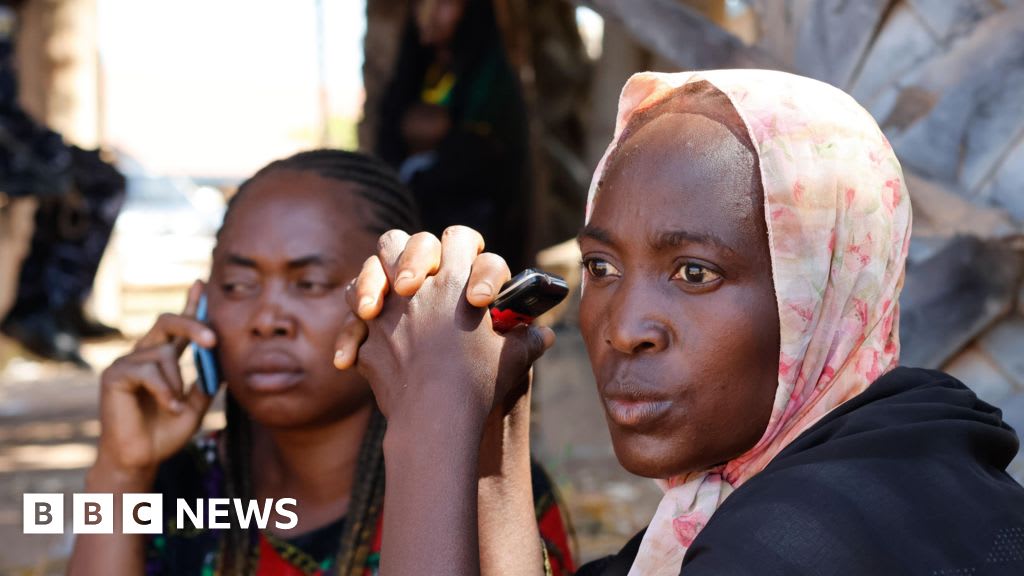
In a story that brought a glimmer of hope amid tragedy, Nigerian authorities announced that 100 schoolchildren kidnapped from a Catholic boarding school in Niger State have been released. The news — confirmed on December 7, 2025 — offers relief to families, communities, and the country at large, yet leaves many questions unanswered as hundreds remain in captivity.
What Happened — A Mass Kidnapping That Shook Nigeria
On November 21, gunmen stormed St. Mary's School in Papiri, a rural community in Niger State, north-central Nigeria. They abducted 303 students and 12 staff members — one of the largest mass school kidnappings in recent Nigerian history.
In the days that followed, about 50 pupils managed to escape and return to their families. Until now, no official group had claimed responsibility — leaving many to suspect organized bandits exploiting Nigeria’s widespread insecurity.
The Release — A Fragile, Partial Breakthrough
Authorities, alongside local and national security agencies, managed to secure the release of 100 children. Reports indicate these children will be handed over to Niger State officials in Abuja, with family reunifications and medical checkups scheduled. A spokesperson confirmed the release to national media.
For parents, community leaders, and religious authorities, the news is a welcome relief — though tempered by uncertainty over the fate of the others still in captivity. As of now, roughly 165 individuals (students plus teachers) remain unaccounted for.
Why Schools Are Targeted — A Growing Crisis
This tragic event is not isolated. Over recent years, Nigeria has seen a surge in mass abductions of students. According to recent data, since a major school kidnapping in 2014, thousands of children have been abducted in multiple attacks across the country — often driven by ransom demands or political violence.
Armed groups — sometimes framed as “bandits” — exploit remote regions, weak security presence, and deeply impoverished communities. Schools, especially boarding institutions in rural areas, become easy targets. After the Papiri abduction, many schools in the region shut down indefinitely.
Human rights organizations and analysts warn that in many cases, kidnapping children has become a structured criminal enterprise, fueled by impunity, insufficient policing, and corruption.
The Human Toll — Trauma, Fear, and Uncertainty
For the released children and their families, freedom brings relief — but also deep emotional wounds. Many escaped under frightful conditions; others spent days or weeks in captivity, traumatized and uncertain. Parents and communities have expressed cautious joy, but also lingering dread: what if their children return with scars, or worse, never return at all?
For those still missing, their fate remains unknown. Some parents have described sleepless nights, days filled with fear — and a growing distrust of promises from authorities. The sense of vulnerability is real. The country must grapple not only with rescue operations, but with care for survivors and the families left behind.
Government Response & International Pressure
Nigerian leaders have faced mounting pressure to address the security crisis. After earlier mass kidnappings and continued violence, the government declared a national security emergency — increasing military deployments, police patrols, and efforts to dismantle criminal gangs.
International partners and human rights groups have also called for coordinated action: better protection for schools, improved intelligence sharing, and accountability for perpetrators. Some foreign governments have offered support for security operations and community rebuilding.
But critics warn that such measures might only offer short-term relief if root causes — poverty, social inequality, lack of education, and weak law enforcement — remain unaddressed.
What Happens Next — Hope, Vigilance, and Reform
The release of 100 children should not be seen as an endpoint, but a somber reminder: the crisis is far from over. Immediate needs — medical care, psychological support, safe reunification — must be met. But in the long run, Nigeria needs structural reforms:
Secure, well-guarded schools, especially in high-risk rural areas.
Stronger policing, crackdowns on illegal arms trade, and dismantling criminal networks.
Targeted social and economic development to reduce vulnerability to banditry.
Support for survivors: counseling, education continuity, and community rehabilitation.
Only through comprehensive measures can Nigeria ensure children are safe — not just today, but for generations to come.
💬 Final Thoughts
The release of 100 abducted schoolchildren in Niger State brings relief, but also a stark reminder of Nigeria’s deep security challenges. While lives were spared and families reunited, hundreds remain missing or traumatized — and the fear that terror can strike a school dormitory still looms large over communities.
As the world watches, what matters most is not just rescue operations — but lasting change. For Nigeria to protect its future, it must protect its children. Until then, hope and vigilance must go hand in hand.
About the Creator
Fiaz Ahmed
I am Fiaz Ahmed. I am a passionate writer. I love covering trending topics and breaking news. With a sharp eye for what’s happening around the world, and crafts timely and engaging stories that keep readers informed and updated.
Keep reading
More stories from Fiaz Ahmed and writers in FYI and other communities.
Top Cardiologist Reveals How Your Arm Position Can Affect Blood Pressure While Measuring It
Measuring blood pressure seems simple. You sit down, put on a cuff, and wait for the numbers to appear. But according to leading cardiologists, the way most people check their blood pressure at home is wrong—and often dangerously misleading. A top cardiologist has now revealed that something as basic as your arm position can completely change the result, sometimes by as much as 10 to 20 points.
By Fiaz Ahmed 2 months ago in FYI


Comments
There are no comments for this story
Be the first to respond and start the conversation.