
Next episode of Let's Find out
Is the World’s Biggest Waterfall Really Underwater?

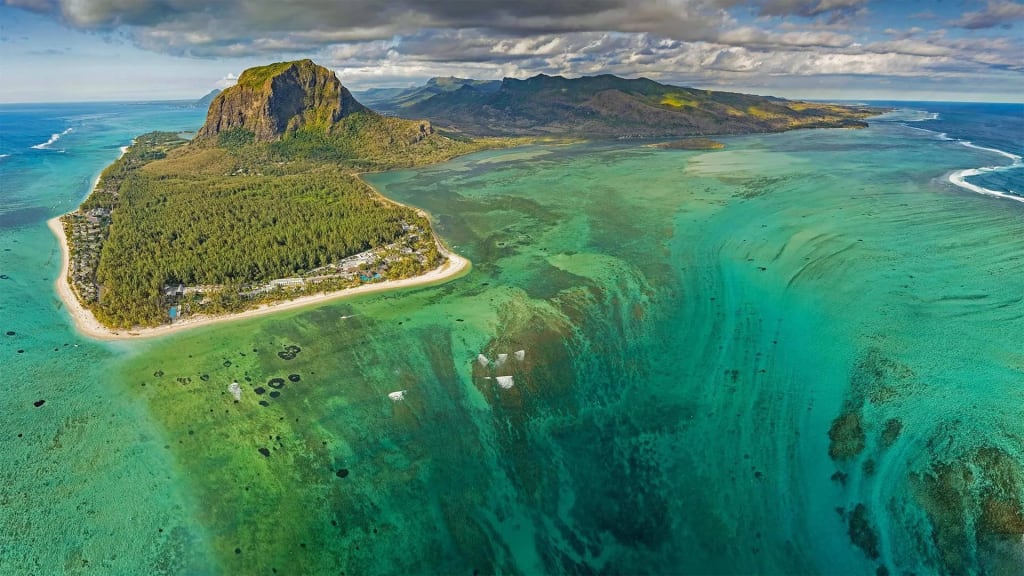
When we think of waterfalls, iconic images of Venezuela's towering Angel Falls or the thunderous might of the Congo's Inga Falls might come to mind. These majestic cascades are spectacles of nature, but what if I told you that the largest waterfall on Earth is one you’ve never heard of—and it lies hidden beneath the ocean’s surface? Yes, the world’s biggest waterfall isn’t towering over land but plummeting through the depths of the Denmark Strait. And here’s the kicker—it’s completely underwater.
What is the Denmark Strait Cataract?
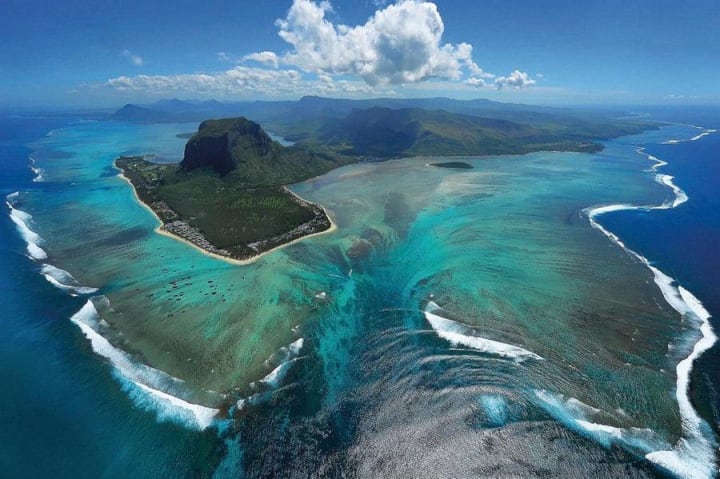
The Denmark Strait Cataract is an underwater phenomenon that dwarfs even the mightiest of land waterfalls. Located between Greenland and Iceland, it isn’t something you can see with the naked eye. However, this hidden giant boasts some incredible statistics. The cataract has a staggering drop of 3,500 meters (more than triple that of Angel Falls!) and a flow rate of 5 million cubic meters per second. These numbers make it the largest, tallest, and most powerful waterfall on the planet by a long shot.
Unlike land waterfalls that form when rivers flow over cliffs or ledges, the Denmark Strait Cataract occurs underwater due to the collision of two ocean currents: a warm one from the Gulf Stream and a frigid one from the Arctic. As cold water is denser than warm water, the cold current sinks beneath the warm, creating a dramatic plunge over a submerged ridge in the ocean floor, much like water cascading over a cliff on land.
The Science Behind the Underwater "Waterfall"
So, how does this colossal underwater waterfall exist? The explanation lies in the temperature and density differences between the currents. Water near the equator is warmer due to the sun's heat, and this warm water flows northward, following the Gulf Stream, while cold water from the Arctic flows southward. When these two currents meet in the Denmark Strait, the warm Gulf Stream waters push the denser, colder waters from the Arctic downwards. This causes a massive movement of water, but it doesn’t stop there. As the cold water descends into the depths of the ocean, it flows through a deep underwater valley. The geographical features in this region create the perfect conditions for what we can metaphorically call an “underwater waterfall.”
Because of the massive size of the underwater ridge, which is 3,500 meters high, the water falls across this vertical distance, making the Denmark Strait Cataract the tallest waterfall on Earth. And yet, it’s invisible to us, except through specialized scientific instruments that can measure the powerful flow and depth changes.
How Does This Compare to the Waterfalls We Know?
When it comes to sheer height, Angel Falls in Venezuela holds the title for the tallest waterfall on land, plunging a breathtaking 979 meters (3,212 feet). The view of water cascading from such a height is nothing short of awe-inspiring.
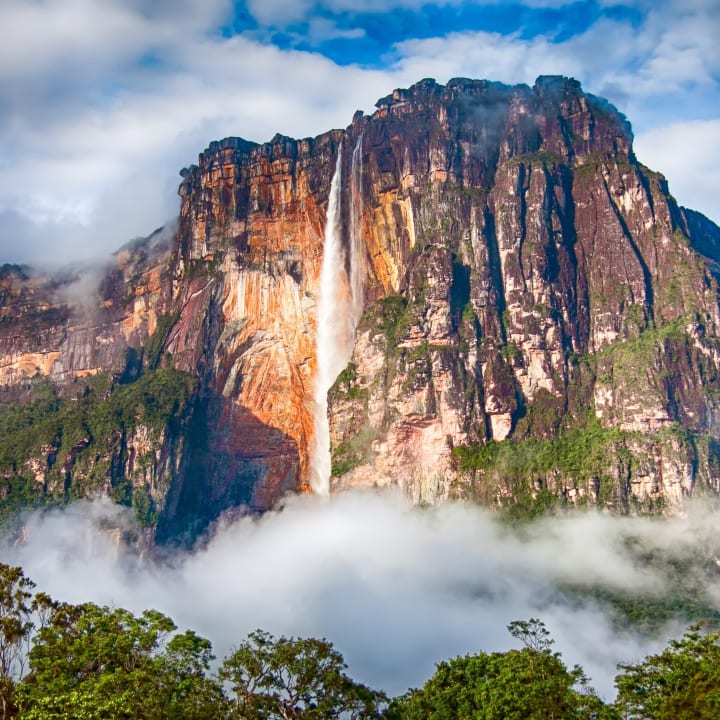
However, the Denmark Strait Cataract, with its underwater drop of 3,500 meters (11,500 feet), far surpasses Angel Falls. Imagine a waterfall over three times the height of Angel Falls—this is the scale of the Denmark Strait Cataract, a mind-boggling comparison.
In terms of water volume, Inga Falls in the Congo reigns supreme among land waterfalls, boasting an astonishing flow rate of 25,000 cubic meters per second.

This is a truly impressive number, especially when you consider that Niagara Falls, one of the most famous waterfalls in the world, sees about 2,400 cubic meters of water flow over its edge every second. Yet, even these giants are dwarfed by the Denmark Strait Cataract. The underwater waterfall moves an overwhelming 5 million cubic meters of water per second. That’s 200 times the flow rate of Niagara Falls! To put this into perspective, if the Denmark Strait Cataract were a visible land waterfall, it would be an utterly unimaginable spectacle. With such an enormous amount of water plunging from a height of 3,500 meters at a rate of 5 million cubic meters per second, no land-based waterfall even comes close to matching its size or force.
The Global Impact of the Denmark Strait Cataract
While you may never see the Denmark Strait Cataract with your own eyes, its influence is felt all over the planet. This underwater waterfall plays a crucial role in regulating the Earth’s climate. As the cold water sinks and flows southward, it becomes part of the global ocean conveyor belt, a system that distributes heat and regulates temperatures across the globe.
The cold water from the Denmark Strait Cataract eventually makes its way to Antarctica, where it resurfaces, mixing with other currents and circulating around the southern oceans. This system helps to moderate the climates of many regions, keeping cold areas like Northern Europe milder than they would otherwise be.
Norway, for example, enjoys relatively mild winters compared to regions at similar latitudes, like Alaska. This is partly thanks to the Gulf Stream, which warms the surrounding waters. Without the delicate balance of cold and warm currents, maintained in part by the Denmark Strait Cataract, global climates would be vastly different, and life as we know it could be altered.
Why Haven’t We Heard About This Before?
The Denmark Strait Cataract remains largely unknown because it is invisible. Unlike Niagara or Iguazu Falls, which attract millions of tourists each year, there’s no way to witness this natural wonder in person. It exists below the ocean’s surface, hidden from view, except for those using scientific equipment to monitor oceanic conditions.
But while it doesn’t make for the most accessible tourist attraction, it plays a critical role in our planet’s ecosystem. This “invisible waterfall” works silently, moving millions of tons of water each second, helping to moderate global temperatures and contributing to the overall balance of ocean currents.
If you ever find yourself near Greenland or Iceland, just know that beneath the seemingly calm waters of the Denmark Strait lies the world’s most massive waterfall, silently shaping the climate of our planet.
Final Thoughts
Next time you think of the world’s great waterfalls, remember that the largest, most powerful one is out of sight—literally. The Denmark Strait Cataract is a hidden giant, working behind the scenes to keep Earth’s climate in check. Its massive flow rate and incredible drop make it a natural wonder like no other, even if you’ll never get to see it with your own eyes.
Who knew that the biggest waterfall on Earth was hidden beneath the waves, quietly shaping the world as we know it?
About the Creator
Horace Wasland
Research analyst, writer & mystical healer. Exploring the edge where science meets mystery. From mystery/the mystical, to facts, news & psychology. Follow for weekly insights on all four and please leave a tip if you like what you read :)
Keep reading
More stories from Horace Wasland and writers in FYI and other communities.
Espoir
The 2024 U.S. presidential election is shaping up to be one of the most fiercely contested in recent history. With President Joe Biden stepping aside, Kamala Harris, the current vice president, has been thrust into the spotlight as the Democratic Party’s presidential candidate. As she faces off against Donald Trump, the question looms large: Can Kamala Harris win against Trump in 2024? Let's dive into the factors shaping her chances.
By Horace Waslandabout a year ago in FYI
Miss Persephone's Manual to a Seemingly Ordinary Life
Miss Persephone was found at the dining table, her blue eyes swollen, her tears arriving and retreating like the tides of the ocean. Earlier that day, her family had visited her in the retirement home where she had lived for eight years. It was her eightieth birthday.
By Imola Tótha day ago in Fiction


Comments
There are no comments for this story
Be the first to respond and start the conversation.