
New technologies will put even the non-walkers on their feet and not only ...
In the past, this would have seemed like science fiction, but now technology is advancing rapidly and the future is bright.
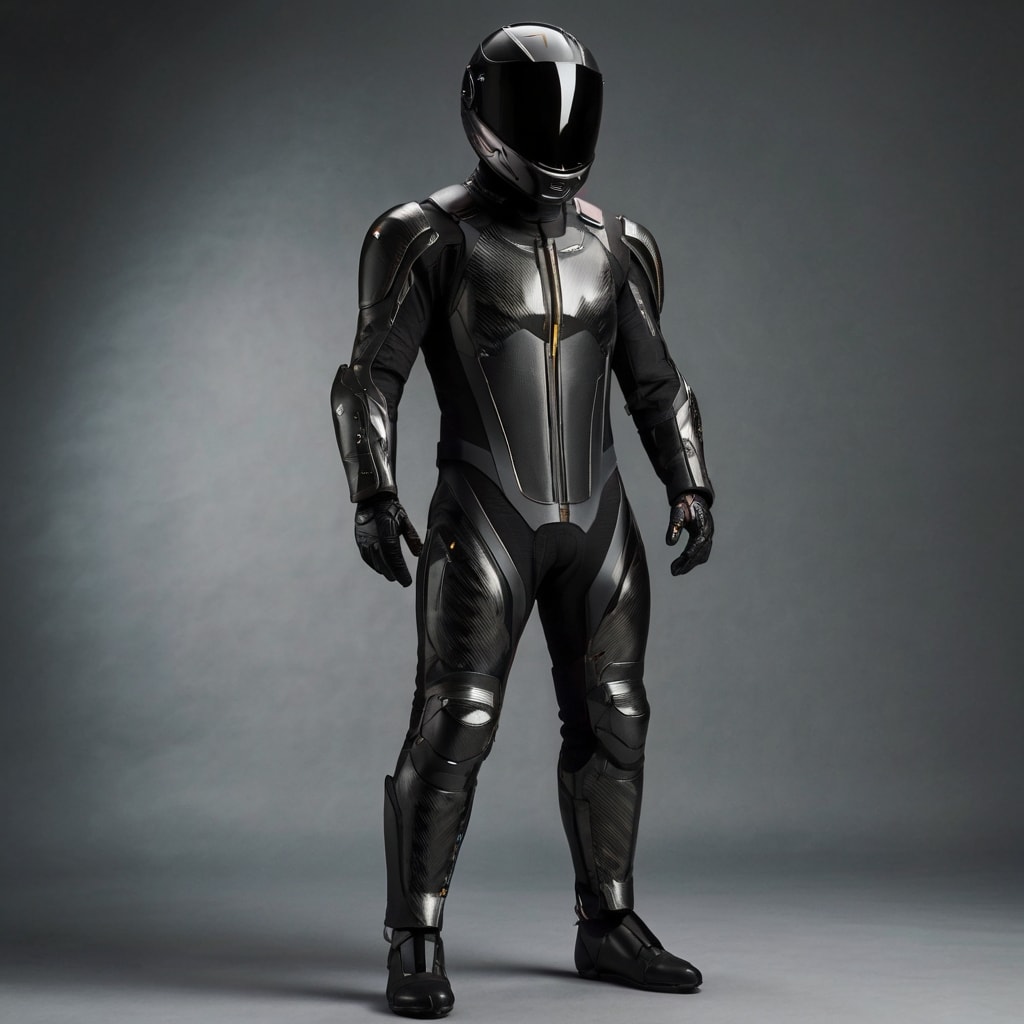
Greetings everyone! I will be brief and informative....
Since I have a lot of interesting ideas in my head in different directions and spheres, but I have no finances for their realisation, I will share my ideas with you. Perhaps someone will use them in their developments and make this world a better place!
There are a lot of non-walkers in the world right now. Some are temporary and there is hope for rehabilitation and recovery, and some are given no hope by doctors to get back on their feet.
Either way, there is no need to despair! There are technologies that will allow anyone to get back on their feet out of a wheelchair!
A special suit will help to keep on their feet any person who cannot walk.
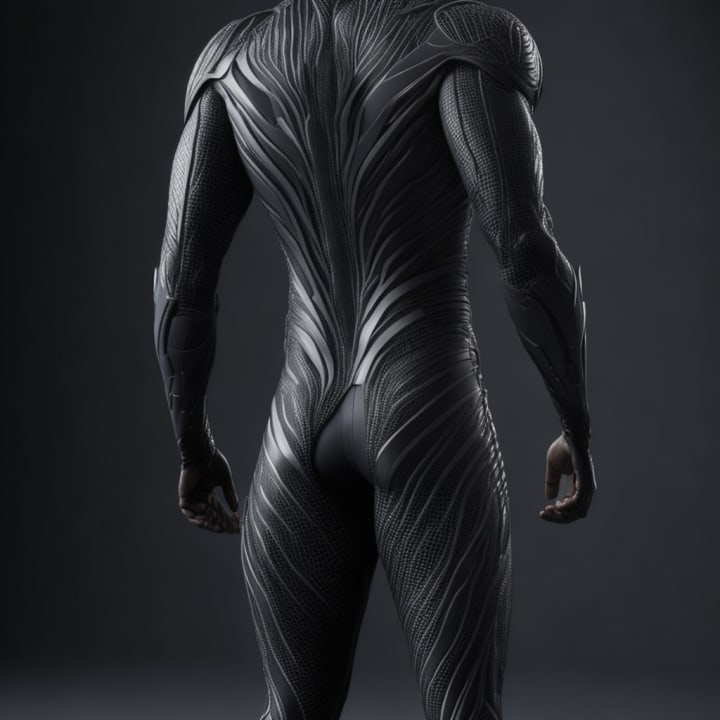
The essence of the suit is as follows:
The suit is made of a material with a lot of electrical conductors in the form of microsprings, which under the influence of an electric current are compressed or uncompressed and hold their shape at the right moment. They are essentially artificial muscles that either replace completely non-working human muscles or help by partially supporting them. In strength and load capacity they are not inferior to metal under the influence of electric current.
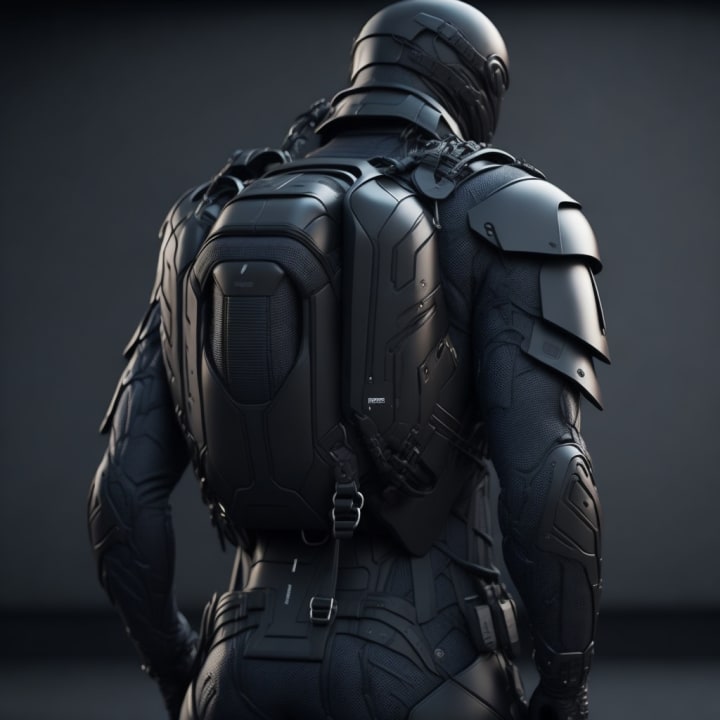
The whole system of the suit is controlled by a processor with the help of many sensors, which is located in a removable backpack.
You may ask: how does the processor know what to do if a person cannot move even the fingers or toes?
The fact is that the brain of such a person still produces impulses when he wants to move his leg or hand, even if they are completely atrophied or absent. That is, the control will be carried out by the ‘power of thought’, namely brain impulses.
Sensors pick up brain impulses from the person's head and transmit them to a processor, and the processor transmits the signal to controllers that apply voltage to the conductors in the suit. And the load on the spring conductors in the suit can be regulated by the amount of voltage applied to them. In this way it is possible to adjust the suit for people who are not walking at all and for partially walking people who need only partial support, e.g. for those who are in rehabilitation.
The whole system requires training and tuning, meaning that the suit's operation must be synchronised with a person's brain, namely their thoughts. This will be helped by artificial intelligence software, which will quickly learn to read thoughts and translate them into commands.
With the help of brain impulses it is possible to control the prosthesis, it is only necessary to synchronise the sensors placed in the baseball cap on the person's head with the chip of the prosthesis. You can do almost anything with these prosthetics, as the artificial intelligence in the inbuilt chip is constantly learning and adapting to different modes.
The main material of the suit is thermal fabric, which effectively dissipates heat, so that you can wear normal clothes on top and not differ from any other person.
The backpack will contain a power cell that connects to the suit. And the headgear has sensors built into it that read commands from your brain.
Thus, your integral attributes will be the backpack and headgear, and you will look like a normal person.

The suit can be powered by static electricity generated by the friction of your clothes. It can be removed using microelectrodes. Then accumulate, amplify and partially charge the batteries.
In the past, this would have seemed like science fiction, but now technology is advancing rapidly and the future is bright. The important thing is that such technologies should benefit everyone, not just the rich! The more people who develop new technologies outside of the big companies, the more accessible they will be to everyone.
About the Creator
Keep reading
More stories from writers in FYI and other communities.


Comments
There are no comments for this story
Be the first to respond and start the conversation.