
Neglected tropical diseases
Things to know about Ntds
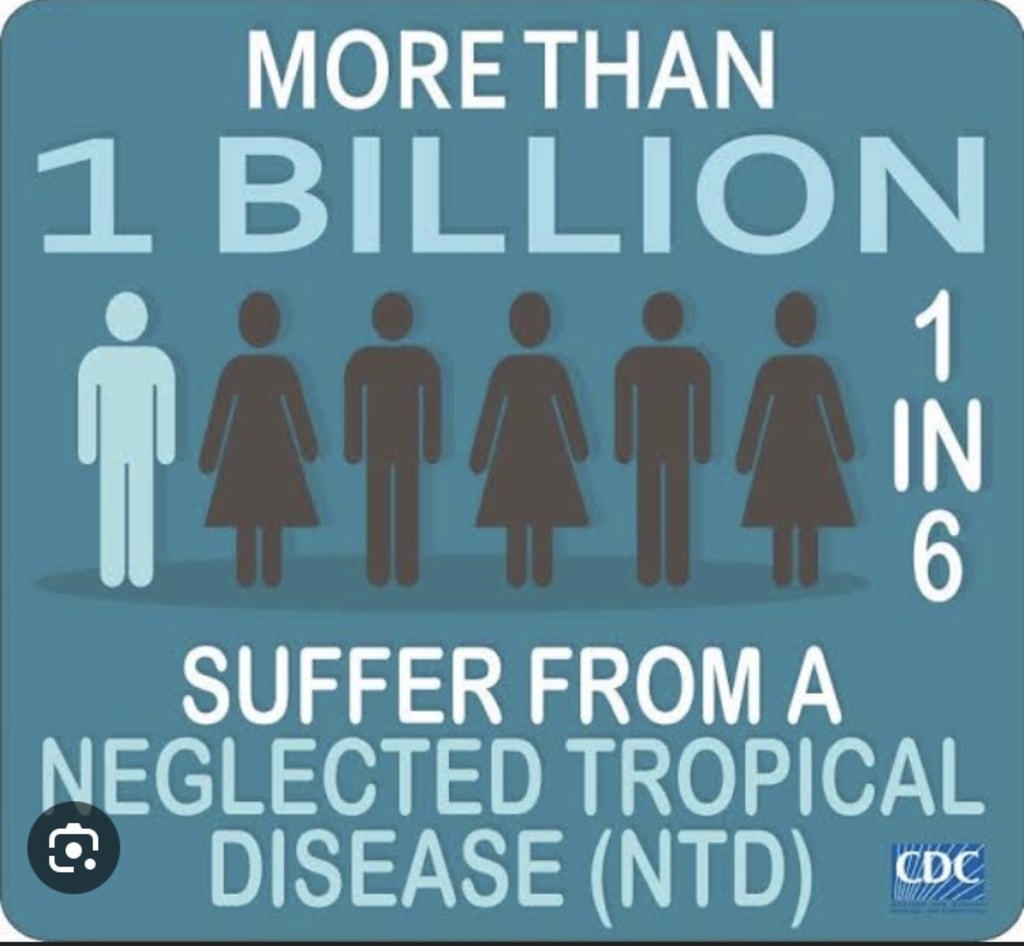
Neglected tropical diseases (NTDs) are a group of infectious diseases that primarily affect populations in tropical and subtropical regions of the world. Africa bears a significant burden of these diseases, with numerous countries facing high prevalence rates. Some of the most common neglected tropical diseases in Africa include:
Malaria: While not technically classified as an NTD, malaria is a major public health concern in Africa. It is caused by the Plasmodium parasite and transmitted through the bites of infected mosquitoes.
Sleeping sickness (African trypanosomiasis): This disease is caused by the Trypanosoma parasites and is transmitted by the tsetse fly. It affects the central nervous system and can be fatal if left untreated.
Schistosomiasis (bilharzia): This parasitic infection is caused by blood flukes (Schistosoma spp.) and is commonly found in freshwater bodies. It is transmitted when individuals come into contact with contaminated water.
Lymphatic filariasis: Caused by parasitic worms transmitted through mosquito bites, lymphatic filariasis can lead to severe swelling and disfigurement. It is often referred to as elephantiasis.
Onchocerciasis (river blindness): This disease is caused by the parasitic worm Onchocerca volvulus, transmitted by black flies. It can cause visual impairment and blindness, as well as skin-related symptoms.
Guinea worm disease (dracunculiasis): This parasitic infection is caused by the Guinea worm and is transmitted through contaminated drinking water. It leads to painful blisters and ulcers, often in the legs.
Soil-transmitted helminthiasis: These are infections caused by parasitic worms (such as roundworm, whipworm, and hookworm) that are transmitted through contaminated soil. They can cause malnutrition, anemia, and impaired growth in children.
Trachoma: A bacterial infection affecting the eyes, trachoma is transmitted through personal contact, particularly in areas with poor hygiene and sanitation. Repeated infections can lead to irreversible blindness.
Curbing neglected tropical diseases (NTDs) requires a comprehensive approach involving various strategies. Here are some key measures that can help in controlling and reducing the burden of NTDs:
Mass drug administration (MDA): MDA involves the large-scale distribution of preventive medicines to at-risk populations. This approach is effective for diseases such as lymphatic filariasis, schistosomiasis, soil-transmitted helminthiasis, and onchocerciasis. The World Health Organization (WHO) recommends periodic administration of specific drugs to affected communities.
Vector control: For diseases transmitted by insects, controlling the vectors (e.g., mosquitoes, flies, or sandflies) is crucial. This can involve measures such as insecticide-treated bed nets, indoor residual spraying, environmental management to reduce breeding sites, and use of larvicides or insecticides.
Improved sanitation and access to clean water: Many NTDs are associated with poor sanitation and lack of access to clean water. Promoting proper sanitation practices, such as the use of latrines and safe disposal of human waste, as well as ensuring access to clean water sources, can help prevent transmission of diseases like schistosomiasis and trachoma.
Health education and behavior change: Raising awareness about NTDs and promoting behavior change is essential. This includes educating communities about disease transmission, personal hygiene practices, and the importance of preventive measures such as wearing protective clothing, using bed nets, and seeking early treatment.
Integrated approach: Rather than addressing each NTD separately, an integrated approach can be more effective and cost-efficient. Coordinated efforts that combine interventions for multiple diseases can help reach more people and maximize resources.
Capacity building and healthcare infrastructure: Strengthening healthcare systems in affected regions is crucial for effective NTD control. This includes training healthcare workers, improving laboratory facilities for diagnosis, and ensuring the availability of essential medicines and supplies.
Research and innovation: Continued research and innovation are vital for developing new tools, diagnostics, and treatments for NTDs. Investment in research can lead to improved prevention strategies, more effective drugs, and eventually, the elimination of some diseases.
Collaboration and partnerships: Addressing NTDs requires collaboration among governments, international organizations, non-governmental organizations (NGOs), and other stakeholders. Partnerships can enhance coordination, resource mobilization, and knowledge sharing.
It's important to note that specific strategies may vary depending on the type of NTD and the local context. Tailoring interventions to the specific needs of each region and ensuring community involvement are critical for successful NTD control efforts.
Efforts have been made by various organizations, including the World Health Organization (WHO) and governments, to combat neglected tropical diseases in Africa. These initiatives focus on preventive measures such as mass drug administration, improved sanitation and hygiene practices, vector control, and public awareness campaigns. Treatment and control programs aim to reduce the burden of these diseases and improve the overall health and well-being of affected communities.
About the Creator
Keep reading
More stories from writers in FYI and other communities.
A Failed Artist, A Disillusioned Poet, An Underpaid Game Show Host
I took my son and niece to Gori, a small town in Georgia where Joseph Stalin was born. They talked me into visiting the Stalin's Museum, the largest in the post-Soviet space. I had resisted going there because I just can't stand the monster and know enough about him, or so I thought.
By Lana V Lynx24 days ago in FYI
Top Luxury Travel Tours for Private, Invite-Only Experiences Around the World
Luxury travel is no longer defined solely by five-star hotels or first-class flights. Over the past few years, the definition has quietly shifted. In conversations with frequent travelers, travel planners, and industry insiders, one theme comes up again and again: true luxury is about access, not excess.
By All 4 Seasonabout 3 hours ago in FYI
The Duelist
The rays of a dying red sun flashed against the onrushing blade. The grey beards say the key to dueling lies in size, speed, reach, righteous fury, whatever the person in front of them pays them to say. Matteo knew better than any it was none of these and had an undefeated record on these sands to prove it.
By Matthew J. Fromm4 days ago in Fiction


Comments (1)
Educating