
Moroccan Tiles vs. Other Decorative Tiles: What Makes Them Unique?
Why Moroccan Tiles Are a Timeless Choice?

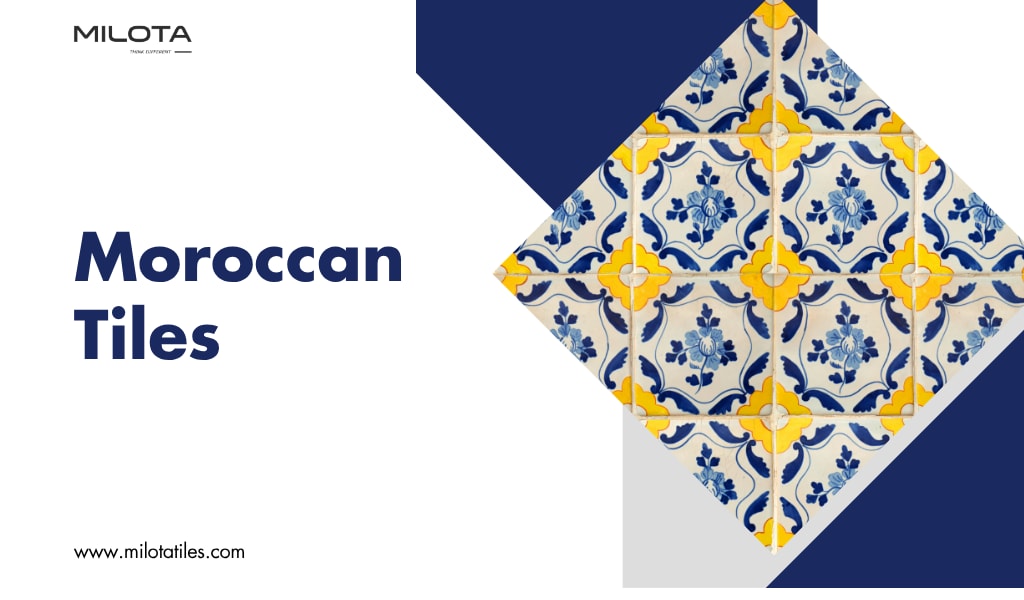
In the world of interior design, tiles are more than just functional surfaces — they are artistic statements. From bathrooms and kitchens to entryways and patios, the right tile can transform a space entirely. Among the many options available today, Moroccan tiles have become a designer favorite due to their striking appearance, cultural richness, and artisanal heritage. But how do Moroccan tiles compare to other decorative tiles? Let’s dive deep into the world of decorative tiling and discover what makes Moroccan tiles truly one-of-a-kind.
What Are Moroccan Tiles?
Moroccan tiles are traditionally handcrafted ceramic or clay tiles originating from Morocco, particularly the city of Fez. Known for their vibrant colors, geometric patterns, and intricate craftsmanship, these tiles reflect centuries of Islamic, Andalusian, and Berber influence.
One of the most iconic types is the Moroccan zellige tile—a glazed terracotta tile cut by hand into precise shapes and assembled into complex mosaic patterns. These tiles are often used to decorate walls, fountains, floors, and architectural elements across Moroccan palaces and homes.
Key Characteristics of Moroccan Tiles
1. Handcrafted Excellence
Each Moroccan tile is traditionally handmade by skilled artisans. This means no two tiles are exactly alike, adding a sense of authenticity and individuality to every installation.
2. Bold Colors and Patterns
Moroccan tiles are known for their deep blues, emerald greens, saffron yellows, and classic whites. Combined with geometric and floral motifs, these vibrant color palettes create visually stunning and timeless designs.
3. Cultural Heritage
Moroccan tilework—known as zellige—has been an essential part of Islamic architecture for over a thousand years. Using precise geometry, symmetry, and symbolism, Moroccan tiles are more than just decoration—they are reflections of history and spirituality.
Moroccan Tiles vs. Other Decorative Tiles
Let’s compare Moroccan tiles to other common types of decorative tiles to understand what makes them different:
1. Moroccan Zellige Tiles vs. Subway Tiles
Subway tiles are simple, rectangular ceramic tiles, typically white and arranged in a horizontal brick pattern. While they are minimalistic and suit modern or industrial styles, they lack the artistry and cultural flair of Moroccan zellige tiles.
Zellige tiles, with their handmade texture and irregular edges, provide a rustic, organic look that brings warmth and depth to spaces. Unlike the machine-made perfection of subway tiles, zellige's imperfections are part of its charm.
Winner for Character and Artistry: Moroccan zellige tiles
2. Moroccan Floor Tiles vs. Porcelain Tiles
Porcelain tiles are durable, dense, and water-resistant, making them a popular choice for high-traffic areas and bathrooms. While practical, they often come in uniform designs and lack the handcrafted essence found in Moroccan floor tiles.
Moroccan floor tiles, often made from terracotta and glazed in beautiful hues, combine durability with design. Their ornate patterns and handmade quality add a layer of sophistication that porcelain tiles can’t replicate.
Winner for Design with Durability: Moroccan floor tiles
3. Moroccan Tiles vs. Encaustic Cement Tiles
Encaustic cement tiles are known for their bold patterns and matte finish. They are also handcrafted, similar to Moroccan tiles, but are thicker and heavier. Cement tiles require sealing to prevent staining and maintain longevity.
Moroccan tiles, particularly zellige, have a glazed finish that resists stains and doesn’t require sealing in the same way. They also tend to be lighter and easier to install on vertical surfaces.
Winner for Easy Maintenance and Visual Impact: Moroccan tiles
4. Moroccan Tiles vs. Spanish or Mediterranean Tiles
Spanish and Mediterranean tiles also showcase vibrant colors and patterns. However, Moroccan tiles distinguish themselves through their intricate geometric detail and Islamic art influence. While both styles are beautiful, Moroccan designs offer a unique rhythmic complexity that sets them apart.
Winner for Intricate Patterns and Historical Depth: Moroccan tiles
Where to Use Moroccan Tiles
Thanks to their versatility, Moroccan tiles can be used in nearly every space. Here are some popular applications:
- Kitchen Backsplashes: Add color and charm to your kitchen.
- Bathroom Walls & Floors: Create a spa-like retreat with patterned Moroccan floor tiles.
- Accent Walls: Make a bold statement with a zellige mosaic feature wall.
- Entryways & Hallways: Impress guests with artisanal tile floors.
- Fireplaces: Bring warmth and exotic flair to your living room.
Whether used as a subtle accent or a dominant design feature, Moroccan tiles elevate the aesthetics of any room.
The Rise of Moroccan Tiles in Modern Design
In recent years, interior designers and homeowners alike have rediscovered the magic of Moroccan tiles. With the growing popularity of bohemian, eclectic, and Mediterranean-inspired interiors, these tiles are being incorporated into both traditional and contemporary designs.
What makes Moroccan tiles especially appealing is their ability to blend old-world craftsmanship with modern style. Their tactile surfaces, rich colors, and handcrafted nature contrast beautifully with sleek modern elements like stainless steel or concrete, creating an engaging visual balance.
Caring for Moroccan Tiles
Because Moroccan tiles are often handmade and glazed, they require gentle cleaning and proper installation. Zellige tiles, in particular, should be installed by professionals familiar with their irregular edges and layout patterns.
For maintenance:
- Use a pH-neutral cleaner
- Avoid acidic or abrasive products
- Regularly wipe with a soft cloth to preserve their shine
- Seal unglazed versions if recommended by the manufacturer
Where to Buy Authentic Moroccan Tiles
If you’re looking to add true elegance and heritage to your home, explore the curated collection of Moroccan tiles at Milota Tiles. From traditional Moroccan zellige tiles to versatile Moroccan floor tiles, Milota Tiles offers handcrafted beauty that’s as durable as it is stunning.
Their tiles are sourced from skilled artisans and designed to bring timeless Moroccan charm to contemporary spaces across the globe.
Conclusion
While there are many decorative tile options on the market today, Moroccan tiles hold a unique place thanks to their handmade quality, cultural significance, and visually arresting designs. Whether it's the organic imperfections of Moroccan zellige tiles or the bold patterns of Moroccan floor tiles, these tiles offer more than just decoration—they tell a story.
In a world of mass production and uniformity, Moroccan tiles stand out for their soul, history, and artistry. If you're planning your next home renovation or design project, consider Moroccan tiles as a statement of beauty, craftsmanship, and enduring appeal.
About the Creator
Milota Tiles
Milota Tile is a proud venture of the Milota Group, rapidly emerging as a leading name in the manufacturing, distribution, and export of premium ceramic and porcelain tiles under the MILOTA brand.
Keep reading
More stories from Milota Tiles and writers in FYI and other communities.
Maintenance Tips for Moroccan Tiles: Keep Them Looking New
Moroccan tiles are celebrated for their intricate designs, vibrant colors, and timeless appeal. Whether they grace your kitchen backsplash, bathroom floor, or outdoor patio, these tiles bring a unique character to any space. But as with any investment in beautiful home decor, Moroccan tiles require care to preserve their charm over time.
By Milota Tiles7 months ago in FYI



Comments
There are no comments for this story
Be the first to respond and start the conversation.