
Mixing Moroccan Tiles with Modern & Minimalist Interiors
Why Moroccan Tiles Complement Minimalist Design

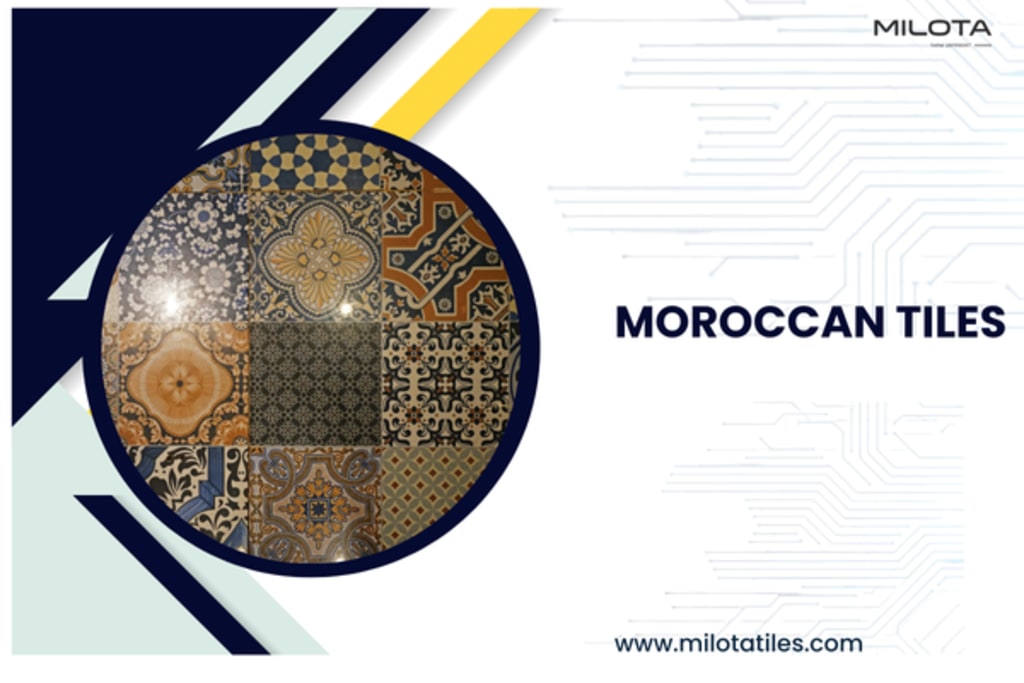
Interior design has always thrived on the art of contrast. When designers balance different textures, colors, and cultural influences, the result is a space that feels unique, dynamic, and memorable. Among the many design elements that blend tradition with modernity, Moroccan Tiles stand out as one of the most versatile and striking. Their handcrafted beauty, geometric intricacy, and vibrant character make them ideal for homes and spaces that seek both elegance and warmth.
But can Moroccan Tiles coexist with minimalist interiors—those that prize clean lines, simplicity, and subtle palettes? The answer is a resounding yes. When applied thoughtfully, Moroccan Tiles elevate minimal spaces by adding character, artistry, and a touch of soul without overwhelming the serene aesthetic.
This article explores the history and cultural meaning of Moroccan Tiles, explains why they work so well with minimalist and modern interiors, and provides practical strategies for integrating them into your home. Whether you’re renovating a kitchen, designing a bathroom, or looking for that one element that ties together a modern living room, Moroccan Tiles can be the key.
A Brief History of Moroccan Tiles
To understand how Moroccan Tiles can be integrated into modern homes, it’s important to appreciate their cultural and artistic roots. Originating from North Africa, Moroccan Tiles—often referred to as zellige—have a history that dates back over a thousand years.
- Artistic Origins
Moroccan artisans mastered the craft of cutting small, hand-glazed pieces of clay into geometric patterns. Influenced by Islamic art traditions, which discouraged representational imagery, the patterns relied on intricate geometries, stars, and tessellations.
- Symbolism
Each design is more than decorative. Moroccan Tiles often symbolize infinity, order, and harmony in nature. Their complexity reflects spiritual depth as much as aesthetic beauty.
- Global Influence
With trade and cultural exchange, Moroccan Tiles spread beyond Morocco into Spain, Portugal, and later global architecture. Today, their influence can be seen in boutique hotels, luxury spas, modern kitchens, and contemporary architecture worldwide.
- Handcrafted Charm
What sets Moroccan Tiles apart is the handmade quality. Slight imperfections in shape, glaze, or hue add warmth and character—something modern industrially produced tiles can rarely match.
This combination of craftsmanship, symbolism, and adaptability makes Moroccan Tiles a perfect bridge between history and contemporary design.
Why Moroccan Tiles Fit Modern Minimalism
Minimalism emphasizes simplicity, clarity, and restraint. At first glance, Moroccan Tiles—often colorful and intricate—seem to belong in maximalist spaces. Yet their artistry makes them surprisingly compatible with minimalist principles when used strategically.
Here’s why:
- Texture in Simplicity
Minimalist spaces often risk feeling sterile. Moroccan Tiles add subtle texture and visual depth that warms up the space without disrupting its calm.
- Focal Points
Minimalism thrives on balance and intentionality. Moroccan Tiles can be introduced in small doses—as a backsplash, feature wall, or floor panel—creating a focal point that enhances rather than clutters.
- Color Flexibility
While many Moroccan Tiles are vibrant, modern collections also feature muted or monochrome options—whites, greys, blacks, and earthy tones—that blend seamlessly with minimalist palettes.
- Cultural Storytelling
Minimalism doesn’t have to mean bland. Moroccan Tiles introduce history, tradition, and individuality into modern interiors, allowing personal expression while keeping the space uncluttered.
In essence, Moroccan Tiles bring the warmth and humanity that modern minimalism sometimes lacks.
Practical Design Strategies for Mixing Moroccan Tiles with Minimalist Interiors
Here are detailed, practical strategies for integrating Moroccan Tiles into minimalist homes and spaces:
1. Start with a Neutral Base
Minimalist interiors usually revolve around a neutral foundation—white, off-white, beige, soft grey, or light wood tones. This base allows Moroccan Tiles to stand out as accents without overwhelming the room.
For example:
A plain concrete floor with a Moroccan Tile “rug” near the entrance.
White kitchen cabinets paired with a patterned Moroccan Tile backsplash.
2. Use Moroccan Tiles as Focal Points
In minimalist design, less is more. Moroccan Tiles should be used sparingly, in deliberate focal areas:
- Bathroom shower wall
- Kitchen backsplash
- Fireplace surround
- Stair risers
By keeping the rest of the space uncluttered, the tiles become art pieces rather than background noise.
3. Choose Monochrome or Muted Moroccan Tiles
Not every Moroccan Tile needs to be vibrant. Many collections feature black-and-white, soft pastel, or earthy neutral designs. These are perfect for modern interiors that rely on calm, muted palettes.
Examples:
- Black and white star patterns in a minimalist bathroom.
- Pale grey Moroccan Tiles in a kitchen backsplash for subtle sophistication.
4. Consider Scale and Proportion
In small rooms, too much pattern can overwhelm. Use Moroccan Tiles on one wall, in a small alcove, or as an inset floor design. In larger spaces, you can experiment with broader tile coverage, but balance it with wide areas of solid color.
5. Pair with Minimalist Materials
Moroccan Tiles blend beautifully with minimalist materials:
- Polished concrete floors
- Matte white walls
- Simple wood furniture
- Sleek black fixtures
The contrast of handmade tiles against smooth, minimalist surfaces creates visual interest without clutter.
6. Simplify Grout and Layout
Minimalist interiors thrive on order. Use clean, thin grout lines and simple layouts (grid or linear). Avoid overly ornate mosaics unless you want the Moroccan Tiles to be the single focal point.
7. Play with Light and Shadow
Lighting is essential. Moroccan Tiles often have glossy or hand-glazed finishes that catch the light beautifully. Position them near natural light sources or use soft, warm LED lighting to highlight textures and patterns without glare.
8. Extend Outdoors
Minimalist outdoor patios or balconies can benefit from Moroccan Tiles. They work well as flooring borders, table inlays, or wall features, pairing perfectly with minimalist outdoor furniture and greenery.
Room-by-Room Applications
Let’s look at specific spaces and how Moroccan Tiles enhance minimalist design:
Kitchens
- Backsplashes: Pair plain cabinetry with Moroccan Tile backsplashes. Opt for neutral or muted colors for minimal kitchens, or bold tiles if the rest of the kitchen is pared down.
- Island Base: Add Moroccan Tiles to the base of a kitchen island for a subtle statement.
Bathrooms
- Feature Walls: A shower or vanity wall tiled with Moroccan Tiles adds character without clutter.
- Floors: Small bathrooms can use Moroccan Tiles as the floor’s centerpiece, balanced by plain walls and fixtures.
Living Rooms
- Fireplace Surrounds: Moroccan Tiles add charm to minimalist living rooms without disturbing calm lines.
- Accent Niches: Shelving or alcoves lined with Moroccan Tiles provide texture and visual breaks.
Bedrooms
- Headboard Walls: A section of Moroccan Tiles behind the bed becomes a built-in art installation.
- Side Table Insets: Use Moroccan Tiles on bedside tables or furniture tops for subtle touches.
Outdoor Spaces
- Patios: Minimalist patios with concrete or stone benefit from Moroccan Tile borders or floor sections.
- Planters: Large planters wrapped in Moroccan Tiles add artistry to outdoor areas.
Common Mistakes to Avoid
Even though Moroccan Tiles are versatile, it’s easy to overuse or misplace them. Avoid these mistakes:
- Over-patterning: Covering every wall or surface with Moroccan Tiles can overwhelm minimalist aesthetics.
- Mixing Too Many Styles: Pair Moroccan Tiles with minimalist elements, not with other bold competing patterns.
- Ignoring Scale: Busy tile patterns in small spaces can feel claustrophobic.
- Neglecting Lighting: Without proper lighting, the artistry of Moroccan Tiles can get lost.
- Variety: From vibrant mosaics to neutral, minimalist-friendly Moroccan Tiles.
- Quality: Durable tiles for kitchens, bathrooms, living areas, and outdoor use.
- Design Guidance: Our experts help customers choose Moroccan Tiles that complement minimalist interiors.
Moroccan Tiles as Sustainable Choices
Today’s homeowners care not just about beauty but also sustainability. Moroccan Tiles are often handmade using natural clay and glazes, making them environmentally friendly compared to mass-produced alternatives. Their durability also means they last for decades, reducing waste.
Minimalist design itself aligns with sustainability—focusing on quality over quantity. Incorporating Moroccan Tiles into minimalist interiors is not just a stylistic choice but also a conscious, eco-friendly one.
How Milotatiles Can Help
At Milotatiles, we specialize in Moroccan Tiles that cater to both traditional and modern tastes. Our collection is curated for homeowners, architects, and designers who want authentic craftsmanship that works in contemporary contexts.
Conclusion
Minimalist design celebrates simplicity, but simplicity doesn’t have to mean emptiness. Moroccan Tiles bring warmth, culture, and individuality to modern interiors while respecting the calm, clean lines of minimalism. By using them thoughtfully—as accents, focal points, or subtle textures—you can achieve interiors that are timeless, sophisticated, and deeply personal.
Whether you’re renovating a bathroom, designing a modern kitchen, or seeking to transform a patio, Moroccan Tiles provide the perfect balance of tradition and restraint. At Milota Tiles, we invite you to explore our Moroccan Tiles collection and discover how this centuries-old art form can bring modern minimalism to life.
About the Creator
Milota Tiles
Milota Tile is a proud venture of the Milota Group, rapidly emerging as a leading name in the manufacturing, distribution, and export of premium ceramic and porcelain tiles under the MILOTA brand.
Keep reading
More stories from Milota Tiles and writers in FYI and other communities.
Lighting Tips to Showcase Your Tumbled Paver Pathways and Patios
Outdoor spaces are no longer just functional walkways and patios; they are an extension of your home’s style and comfort. With the growing popularity of tumbled pavers, homeowners are embracing their timeless charm, rustic appeal, and durability. But to truly make these pavers shine, the right lighting plays a crucial role. Lighting doesn’t just enhance safety—it also highlights the textures, colors, and patterns of tumbled pavers, turning a simple patio or pathway into an enchanting focal point after sunset.
By Milota Tiles6 months ago in FYI


Comments
There are no comments for this story
Be the first to respond and start the conversation.