
Mastering Naval Warfare: The Harpoon Anti-Ship Missile
By Prajesh Majumdar

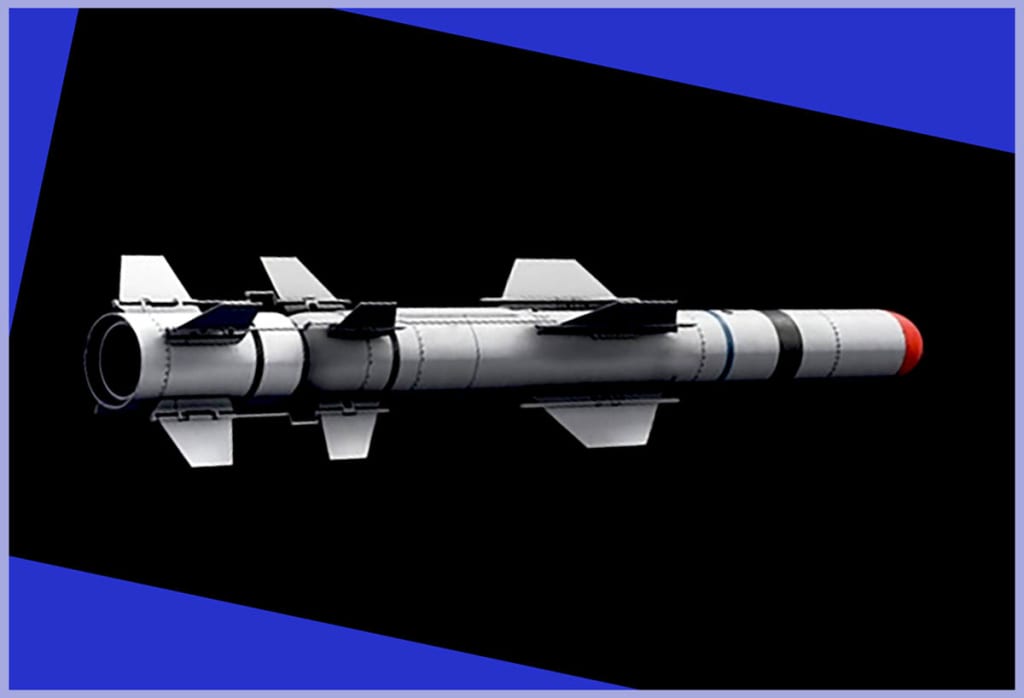
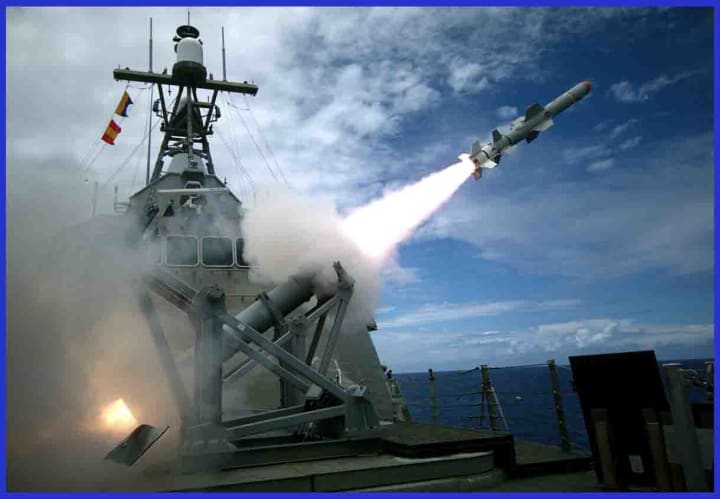
Naval warfare has long relied on cutting-edge technology to maintain a strategic edge, and at the forefront of these advancements is the Harpoon missile. Unveiling the Best of the Harpoon Anti-Ship Missile: This highly effective naval weapon is designed to seek and destroy enemy surface vessels. Currently developed by Boeing Defense, Space & Security, the Harpoon has been a mainstay in naval arsenals since its introduction into service in 1977. It is an all-weather, over-the-horizon anti-ship missile originally designed by McDonnell Douglas in the 1970s. This precision-guided missile is renowned for its long-range capabilities, versatility, and lethality.
The Harpoon missile typically features a turbojet engine for sustained high-speed flight, enabling it to strike targets at distances exceeding 67 nautical miles (124 kilometres). It can be launched from various platforms, including ships, submarines, and aircraft, making it adaptable to a wide range of operational scenarios. Equipped with a sea-skimming capability, it can fly at low altitudes to evade radar detection, making it challenging for adversaries to intercept.
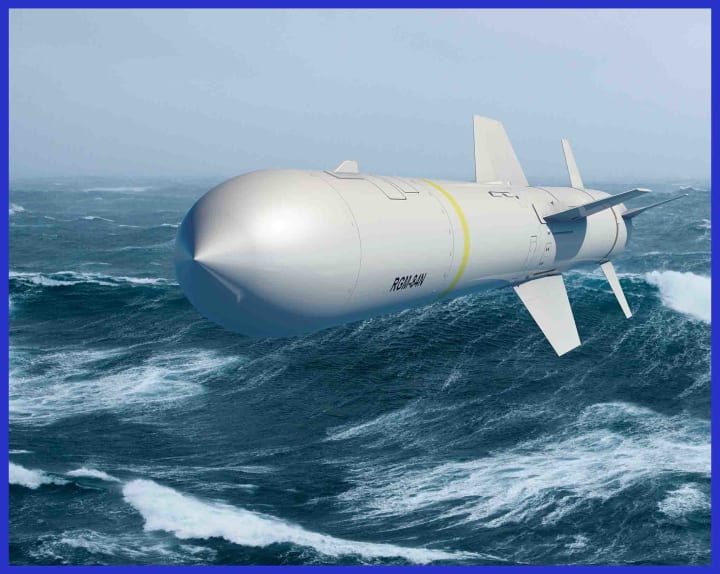
With its powerful warhead and advanced targeting systems, the Harpoon is capable of delivering devastating blows to naval vessels, making it a formidable asset for naval forces worldwide. Its continued upgrades ensure its relevance in modern naval warfare as of 2023 and beyond.
Launching Options for the Harpoon Missile
AGM-84: From Fixed-wing aircraft, the missile can be launched.
RGM-84: Missiles are deployable from surface ships and coastal defence batteries. These missiles are equipped with a solid-fuel rocket booster that detaches upon expending its fuel, allowing the missile’s primary turbojet engine to sustain flight.
UGM-84: Missiles are designed for submarines and feature a solid-fuel rocket booster. They are encapsulated within a container, allowing for submerged launches through a torpedo tube
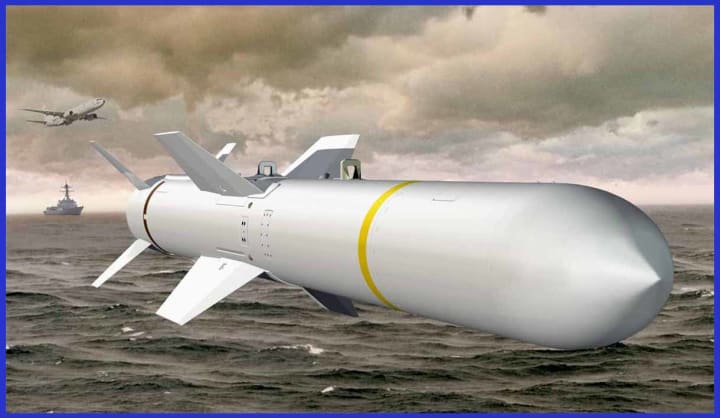
According to Boeing’s official website, they have been involved in the construction and enhancement of the Harpoon missile for over four decades. Currently, Harpoon Block II missiles find utility among 30 international allies. This armament is employed across a vast fleet, including over 600 ships, 180 submarines, 12 distinct types of aircraft, and land-based launch vehicles, all equipped to carry Harpoon missiles.
Exploring the Development Journey and Variants of the Harpoon Missile System
The development of the Harpoon Anti-Ship Missile has been a fascinating journey marked by continuous advancements in technology and capability. With each passing decade, technological improvements and state-of-the-art updates have become essential to ensure effectiveness in challenging scenarios and to outperform opponents.
Origins and Early Development (1960 era)
The Harpoon program commenced in the late 1960s when the U.S. Navy initiated a quest for a contemporary anti-ship missile. McDonnell Douglas, now a part of Boeing, secured the contract to develop this missile. By 1965, the United States Navy had initiated studies for a missile with a range of 50 kilometres, specifically designed for use against surfaced submarines. The project was christened ‘Harpoon.’ The motivation to create such a missile system stemmed from an incident during the War of Attrition, wherein the Israeli destroyer Eilat was sunk on October 21, 1967, in international waters off Port Said in the Sinai, Egypt. This tragic event was attributed to three Soviet-made Styx missiles launched by Egyptian missile boats.
In 1970, the Chief of Naval Operations expedited the development of the Harpoon missile as part of his ‘Project Sixty’ initiative. Subsequently, the inaugural Harpoon missile was delivered in 1977. As of 2023, over 7,500 Harpoons have been manufactured, serving both the United States and numerous foreign customers.
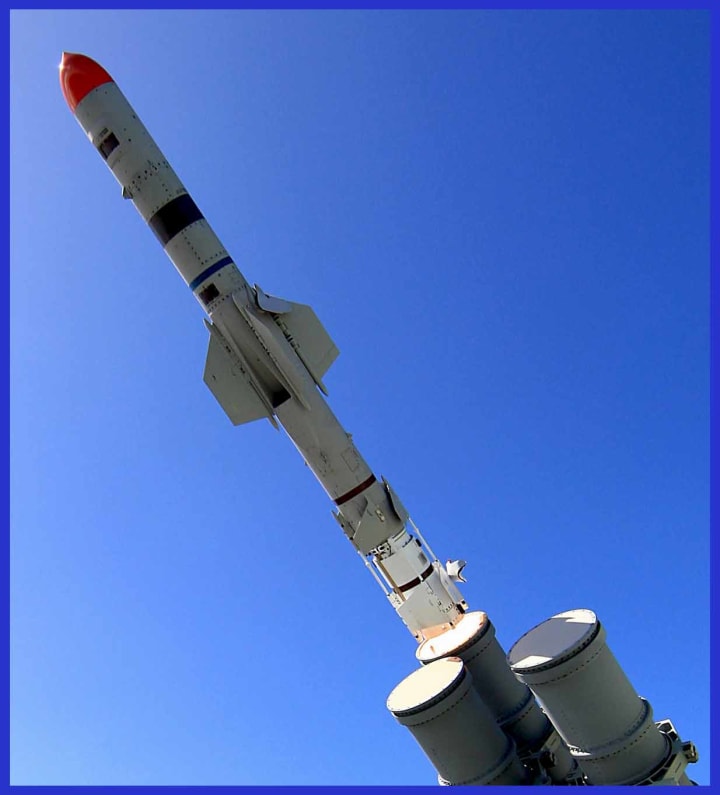
Development for the Fixed-wing aircraft: From its inception, the Harpoon missile system was designed to be compatible with a variety of military aircraft. It has been successfully integrated into the armament of aircraft such as the P-3 Orion, the P-8 Poseidon, the AV-8B Harrier II, the F/A-18 Hornet, the Sepecat Jaguar, and the U.S. Air Force B-52H bombers. This versatile missile system has garnered interest and adoption from multiple nations, including India, Australia, Japan, Singapore, South Korea, Taiwan, the United Arab Emirates, and most member countries of NATO
"Welcome to AirPra! "Dive In and Explore the Complete Article"
About the Creator
Prajesh Majumdar
Hi there, I'm Prajesh, the creator of airpra.com
The site is dedicated to nurturing a community of individuals with a keen interest in exploring the intricate aspects of defence equipment and related news.
Keep reading
More stories from Prajesh Majumdar and writers in FYI and other communities.
Unveiling the Excellence: Exploring the Best Features of the NASAMS Missile System
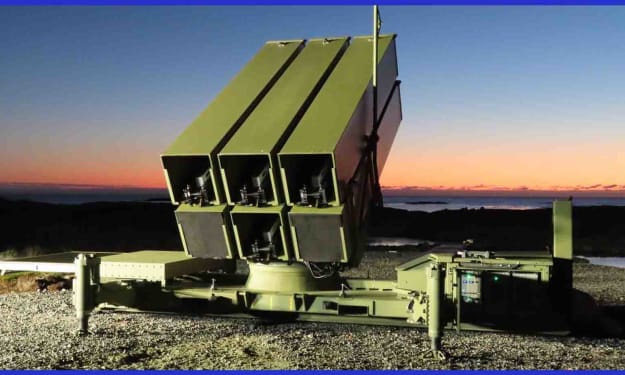
Modern defence systems are essential in today’s ever-evolving security landscape. Among these, the NASAMS System stands out as a formidable choice. Let’s Unveil The Best Of The NASAMS Missile System, which is renowned for its modular design, allowing seamless integration with various launchers, radar systems, and missile types to meet diverse operational requirements. It excels in engaging threats within and beyond visual range, including aircraft, helicopters, drones, and cruise missiles, making it a versatile solution for safeguarding critical assets. It can be quickly repositioned with the help of the High Mobility Launcher (HML) or military all-terrain trucks in areas where the situation demands.
By Prajesh Majumdar2 years ago in FYI
Strategic Importance of Domestic Aerospace Manufacturing Capacity
Domestic aerospace manufacturing capacity plays a vital role in maintaining national security, economic stability, and technological leadership. In an era where global supply chains are increasingly complex and geopolitical uncertainties continue to grow, the ability to produce critical aerospace components within national borders has become more important than ever. For countries like the United States, maintaining a strong domestic aerospace manufacturing base ensures operational readiness, supply chain resilience, and long-term industrial competitiveness.
By Beckett Dowhan8 days ago in FYI
The Politics of Playing Dress-Up
Well, to start off I'd like to say a happy world book day to all who celebrate. I know I haven't really posted anything on my socials about it but I'm not a jubilant kind of person. I lay low most of the time. Let's start off with a popular anecdote from the vaults...
By Annie Kapur7 days ago in Geeks


Comments
There are no comments for this story
Be the first to respond and start the conversation.