
Master Your Money: A Beginner’s Guide to Creating a Monthly Budget"
Take Control of Your Finances with Easy Steps Anyone Can Follow"

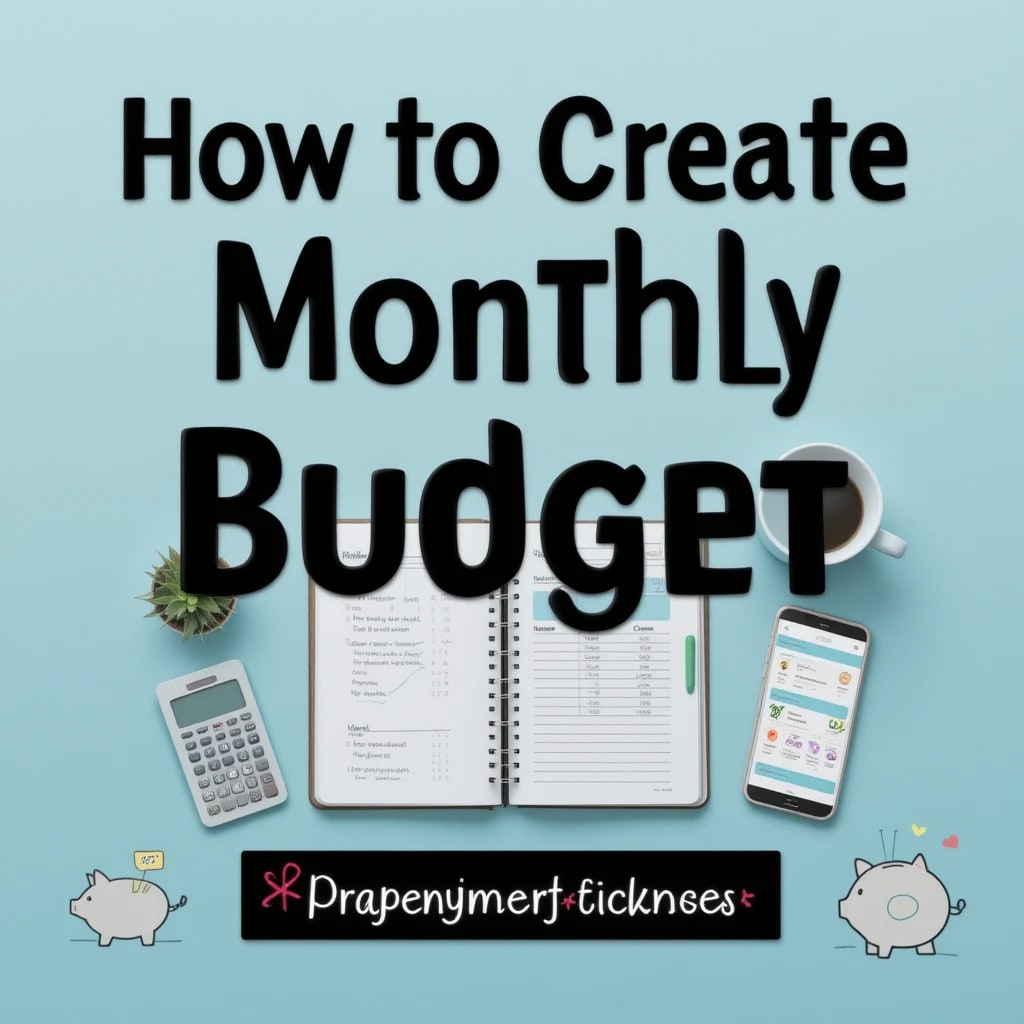
How to Create a Monthly Budget: A Complete Beginner’s Guide
Introduction: What Is a Monthly Budget and Why Is It Important?
A monthly budget is a financial plan that helps you track your income, set goals, and manage your expenses for the month. It’s essentially a tool for gaining control over your money. Without a budget, it’s easy to lose track of where your money is going, which can lead to overspending, debt, and stress.
Creating a monthly budget can help you save money, pay off debt, and even achieve your long-term financial goals, like buying a house or going on a vacation. Whether you’re just starting out on your financial journey or you’ve been managing money for years, budgeting is an essential skill that everyone can benefit from.
In this guide, we’ll walk you through each step of creating a monthly budget that’s easy to follow, even if you’ve never made one before.
Step 1: Set Your Financial Goals
Before diving into the numbers, it’s important to know why you’re budgeting. What are you hoping to achieve? Setting clear financial goals will give your budget purpose and motivation.
Types of Financial Goals:
Short-Term Goals: These could be things you want to achieve within a few months, like paying off a credit card or saving for a vacation.
Medium-Term Goals: These might include saving for a car, a down payment for a house, or starting an emergency fund.
Long-Term Goals: Long-term goals might be retirement savings, paying off a mortgage, or building a large investment portfolio.
To start, take a moment to jot down your financial goals. Be specific and realistic. The clearer your goals are, the easier it will be to create a budget that supports them.
Example:
Short-term goal: Save $500 for a weekend getaway within the next 3 months.
Long-term goal: Save $20,000 for a down payment on a home over the next 5 years.
Step 2: Track Your Income
The next step in creating a budget is determining how much money you have coming in. Your income is the foundation of your budget, so it’s important to get this right.
Sources of Income:
Salary or wages: This is your regular income from employment.
Freelance or side income: If you have a side hustle, include the income from that.
Other sources: This could include things like child support, rental income, or interest from investments.
Once you’ve identified all sources of income, add them up to determine your total monthly income. Make sure to account for taxes, as you’re budgeting based on what you actually take home after deductions.
Example:
Monthly salary (after taxes): $3,000
Freelance income: $500
Total monthly income: $3,500
Step 3: Track Your Expenses
Now it’s time to identify where your money is going. Tracking expenses can feel overwhelming, but it’s a crucial part of budgeting. Start by listing all of your fixed and variable expenses.
Fixed Expenses:
These are expenses that stay the same each month. Examples include:
Rent or mortgage payments
Utility bills (electricity, water, etc.)
Insurance premiums
Loan payments
Variable Expenses:
These costs can change from month to month. Examples include:
Groceries
Gas and transportation costs
Entertainment (movies, dining out, etc.)
Subscriptions (Netflix, Spotify, etc.)
It’s also important to include savings as an “expense” in your budget, even though it’s money you’re putting away for the future. Aim to treat savings as a non-negotiable expense.
Example:
Rent: $1,200
Groceries: $300
Gas: $150
Entertainment: $100
Savings: $200
Total expenses: $1,950
Step 4: Categorize and Prioritize Your Spending
Once you have a list of all your expenses, categorize them. This will help you see where you can potentially cut back if needed. For example, are you spending too much on dining out or subscriptions?
After categorizing your expenses, prioritize them. Essential expenses like rent, utilities, and groceries should come first, while discretionary spending on things like entertainment or luxury items should come later.
Example:
Essential Expenses:
Rent
Utilities
Groceries
Insurance
Discretionary Expenses:
Dining out
Entertainment
Subscription services
Step 5: Create Your Budget
Now that you know your income and expenses, it’s time to create your budget. Subtract your total monthly expenses from your monthly income to see how much money you have left over.
Formula:
Income – Expenses = Remaining Balance
If your expenses exceed your income, you’ll need to adjust by cutting back on non-essential expenses or finding ways to increase your income. If you have money left over, consider allocating it to savings, debt repayment, or future goals.
Example:
Income: $3,500
Expenses: $1,950
Remaining Balance: $1,550
In this example, you could allocate the remaining balance to savings, debt repayment, or even treat yourself to a small reward for sticking to your budget.
Step 6: Use Budgeting Tools or Apps
One of the best ways to stay on track with your budget is by using budgeting tools or apps. These tools can help you track your income, monitor your expenses, and even suggest ways to save money.
Popular Budgeting Tools:
Mint: Tracks your expenses automatically by linking to your bank accounts.
YNAB (You Need A Budget): A popular tool for goal-based budgeting.
EveryDollar: A simple app that helps you create a zero-based budget (where your income minus your expenses equals zero).
Many apps also have features to help you set financial goals, create alerts for overspending, and visualize your progress over time.
Step 7: Stay Consistent and Review Your Budget Regularly
Creating a budget is just the first step; sticking to it is the real challenge. To stay consistent:
Review your budget weekly: Check your spending against your budget to make sure you’re staying on track.
Adjust as needed: Life happens, and expenses may pop up unexpectedly. Don’t be afraid to tweak your budget when necessary.
Set reminders: Use calendar reminders or budgeting apps to keep you accountable.
Tips for Staying Consistent:
Keep your goals front and center so you stay motivated.
Look for small wins: Cutting back on unnecessary spending in one area can give you more room for your goals in the long run.
Celebrate milestones: When you reach a savings goal or pay off a debt, take a moment to acknowledge your hard work.
Conclusion: Take Action and Start Budgeting Today
Creating a monthly budget is one of the best ways to take control of your finances and work toward your financial goals. By tracking your income and expenses, setting clear goals, and using tools to stay on track, you’ll be well on your way to financial stability and success.
Start by setting your financial goals, tracking your income and expenses, and building a budget that works for you. Remember, budgeting is a journey, and it’s okay to make adjustments along the way. The most important thing is to get started.
Now, it’s time to take action—sit down, create your budget, and start taking control of your financial future!
About the Creator
Shamshair Khan Hasan Zai
I share content on health, business, travel, motivation, and simple ways to earn money—focused on hope growth, and practical advice to help you live a better, more successful life.
Keep reading
More stories from Shamshair Khan Hasan Zai and writers in FYI and other communities.
The Mystery of the Bermuda Triangle: Facts, Myths, and Scientific Theories"
H1: The Mystery of the Bermuda Triangle: Facts, Myths, and Scientific Theories Meta Description: Explore the enigma of the Bermuda Triangle: uncover the facts, bust the myths, and dive into scientific explanations behind the world’s most mysterious region.
By Shamshair Khan Hasan Zai8 months ago in FYI
A Failed Artist, A Disillusioned Poet, An Underpaid Game Show Host
I took my son and niece to Gori, a small town in Georgia where Joseph Stalin was born. They talked me into visiting the Stalin's Museum, the largest in the post-Soviet space. I had resisted going there because I just can't stand the monster and know enough about him, or so I thought.
By Lana V Lynx9 days ago in FYI



Comments
There are no comments for this story
Be the first to respond and start the conversation.