
Leadership in Question: Concerns Over Pete Hegseth’s Nomination as Secretary of Defense
Leadership Under Scrutiny: The Controversy Surrounding Pete Hegseth's Nomination for Secretary of Defense

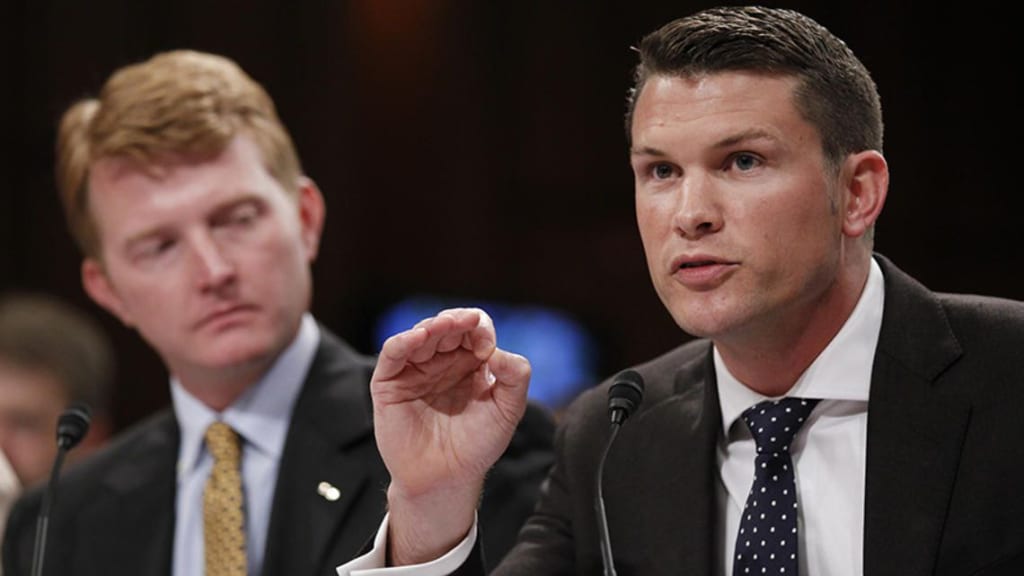
Leadership in Question: Concerns Over Pete Hegseth’s Nomination as Secretary of Defense
In the wake of Donald Trump's controversial nominations for key government positions, Pete Hegseth's proposed appointment as Secretary of Defense has drawn widespread criticism and raised significant concerns about his qualifications and leadership history. Critics argue that Hegseth’s track record lacks the necessary experience and integrity required to lead an $857 billion budget and oversee three million active and reserve personnel in the United States military.
A Troubled History in Leadership
Margaret Hoover, a prominent conservative commentator, recently recounted her experience working with Hegseth during his tenure at Vets for Freedom, a small nonprofit organization advocating for the continuation of military strategies in Iraq and Afghanistan. According to Hoover, Hegseth mismanaged the organization, leading to a loss of donor confidence and its eventual dissolution.
“I watched him run an organization poorly,” Hoover said in an interview. “The organization ultimately folded and had to merge with another that could manage donor funds more responsibly.”
Given the challenges Hegseth faced managing a nonprofit with a budget under $5 million and fewer than 10 employees, critics question how he would handle the vastly more complex and high-stakes responsibilities of the Department of Defense.
Questions of Integrity
Concerns extend beyond managerial competence to issues of personal conduct. Hegseth has faced allegations of behavior that could violate the Uniform Code of Military Justice (UCMJ), including public drunkenness and inappropriate relationships. Such behavior, critics argue, sets a poor example for a military leader tasked with maintaining discipline and morale in a volunteer force.
“Character and integrity are paramount in military leadership,” said Claire McCaskill, a former U.S. Senator and military advocate. “If you have scandals at the Department of Defense, how will you recruit young men and women to serve and risk their lives under that leadership?”
Loyalty Over Competence
Hegseth’s nomination is seen by many as part of a broader trend in Trump’s appointments: a preference for loyalty over qualifications. Analysts suggest that Trump prioritizes individuals who align with his personal agenda and demonstrate unwavering loyalty to him, often at the expense of institutional norms and expertise.
“Trump’s choices aren’t about competence or Gravitas,” said political analyst Charlie Sykes. “He wants people who talk well on television and, more importantly, will never tell him ‘no.’”
This approach, critics warn, undermines the integrity of key government institutions. Appointing individuals perceived as unqualified or ethically compromised risks eroding trust within the military and among the public.
Implications for National Security
Leadership at the Department of Defense plays a critical role in ensuring stability within the U.S. military and addressing global threats. Mismanagement or unethical behavior at the highest levels could have far-reaching consequences, from reduced morale among service members to weakened international alliances.
“Military officers already face immense pressure dealing with global instability,” noted defense expert Alison Jones. “They need steady, principled leadership at the top to maintain focus and effectiveness. Anything less jeopardizes national security.”
Oversight and Resistance
The U.S. Senate’s role in advising and consenting to nominations offers a critical check on presidential appointments. Lawmakers from both sides of the aisle are expected to scrutinize Hegseth’s qualifications and character during the confirmation process.
Even within the military, there is a line of accountability to the Constitution and the law, which may create friction if senior leaders resist unlawful or unethical directives. Trump’s alleged desire for subordinates who emulate authoritarian loyalty further complicates this dynamic.
Broader Concerns
Hegseth’s nomination fits into a pattern of appointments that some interpret as a deliberate affront to the institutions Trump oversees. Critics view these selections as an attempt to undermine the credibility of key government agencies, from the FBI to the Department of Defense.
“It feels like a giant middle finger to these institutions,” said Sykes. “Naming unfit individuals to critical roles is an insult to the men and women dedicated to these agencies.”
The Road Ahead
As the confirmation process unfolds, questions about Pete Hegseth’s ability to lead the Department of Defense will remain at the forefront. Lawmakers, military leaders, and the public must weigh the risks of his appointment against the critical need for experienced, ethical leadership in safeguarding the nation’s security.
Ultimately, the decision will test the balance of power between the executive branch and the legislative oversight designed to uphold the principles of accountability and competence in U.S. governance.
About the Creator
Keep reading
More stories from Cherub Kane and writers in FYI and other communities.
Aspiring TikTok Star Jiare Schneider Found Dead in Clayton County: A Tragic Turn in the Search for Answers
Aspiring TikTok Star Jiare Schneider Found Dead in Clayton County: A Tragic Turn in the Search for Answers Clayton County, Georgia, is reeling from heartbreaking news tonight as police confirm the death of aspiring TikTok star Jiare Schneider, who had been reported missing for over 10 days. The 22-year-old's body was discovered earlier today in a heavily wooded area off Brown Road in Jonesboro, following an exhaustive search.
By Cherub Kaneabout a year ago in FYI



Comments
There are no comments for this story
Be the first to respond and start the conversation.