
Landscaping Is More Than Looks, It’s a Language of Place by Ash Joshi
Landscaping Is Memory, Too

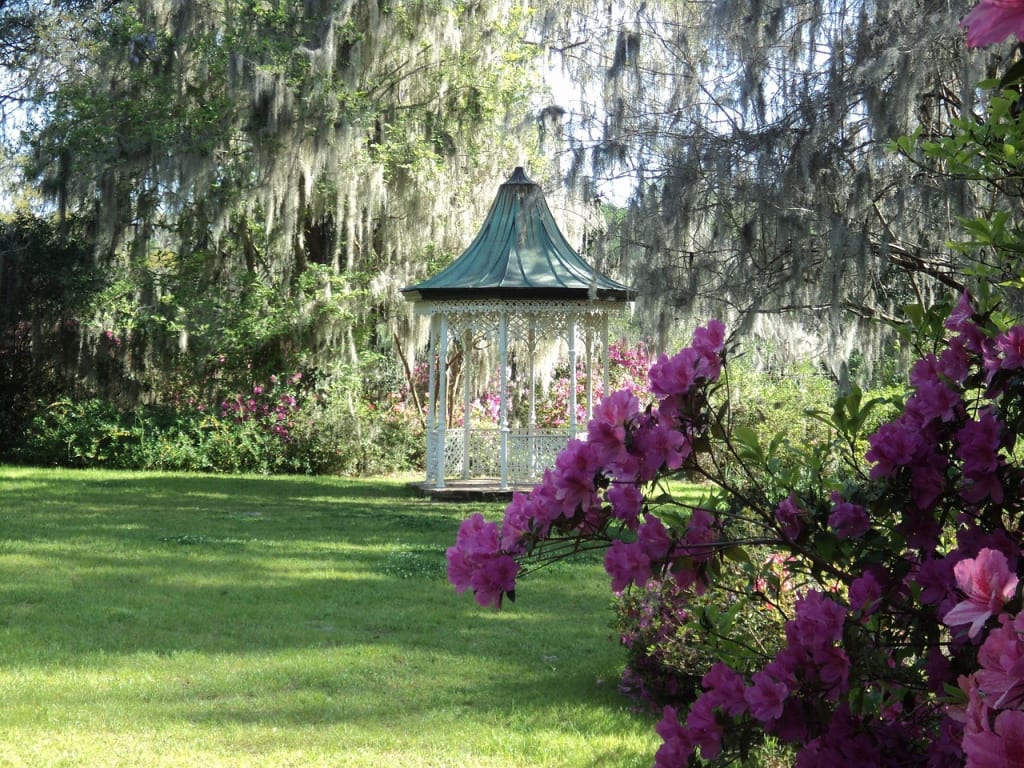
Most people think of landscaping as an afterthought. Something you do once the house is built and the boxes are unpacked. A row of bushes. A neat lawn. Maybe a tree or two.
But in truth, landscaping is storytelling. It’s how we shape the spaces around us to reflect who we are, what we care about, and how we want to live.
Ask someone like Ash Joshi, and he’ll tell you: the best landscapes aren’t just attractive. They’re alive. They hold meaning. And they grow into something much deeper than a tidy yard.
“Landscaping is where function and feeling meet,” Joshi says. “It’s architecture with living material. You’re not just building a view—you’re creating an experience.”
That shift—from decoration to experience—is reshaping how we think about the land outside our windows.
Landscaping Is Memory, Too
There’s something nostalgic about a good garden. A patch of wildflowers that reminds you of your grandmother’s backyard. The earthy scent of mulch after rain. A fire pit where late-summer stories were passed between generations.
We build homes to keep the outside out. But through landscaping, we invite the outside in—on our terms.
The texture of stone underfoot. The way light filters through a Japanese maple. The hummingbird that returns each spring.
These details are small, but they’re profound. They’re the memory-making pieces of a place. According to Ash Joshi, every project begins with understanding not just what the client wants—but what they remember. What feels like home.
“I ask a lot of questions that have nothing to do with plants,” he says with a smile. “Where did you grow up? What season do you love most? What smells make you happy?”
Because ultimately, good landscaping isn’t about matching Pinterest boards. It’s about honoring identity—and making it bloom.
The Problem With Pretty
Of course, landscaping has long been focused on aesthetics. But “pretty” doesn’t always age well.
Turf grass requires gallons of water. Invasive plants look nice—until they destroy native habitats. Over-designed spaces become lifeless, difficult to maintain, and worse, environmentally unsustainable.
That’s why today’s best landscape designers are shifting focus: toward resilience, biodiversity, and regional relevance.
“We’ve done a lot of landscaping that looks good but doesn’t make ecological sense,” says Ash Joshi. “The future is regenerative design—where your yard gives back to the earth, not just the eye.”
This means choosing native plants that support pollinators. Designing with water flow in mind. Letting go of “perfect” and embracing seasonal variation and life cycles.
It’s not about neglect—it’s about balance. A garden that invites bees, not just compliments.
Small Space, Big Impact
You don’t need acreage or a designer budget to create meaningful outdoor space.
A single raised bed can grow herbs for your table and habitat for local insects. A bench under a tree becomes a reading nook, a meditation zone, a resting place for stories.
“Every space—no matter how small—has potential,” says Ash Joshi. “Even a balcony or shared courtyard can be transformed with intention.”
It might be a birdbath, a stone path, or a vine-covered trellis. These little gestures are invitations—to slow down, to notice, to participate in something living.
Landscaping is one of the few design forms that changes in real time. That asks us to let go of control and trust the process.
Climate-Conscious Landscaping
There’s also a larger truth to consider: climate change is forcing us to rethink how we use our land.
Longer droughts, heavier storms, and unpredictable seasons make it clear that landscaping is no longer just cosmetic—it’s critical infrastructure.
Rain gardens manage runoff. Trees provide shade and reduce urban heat. Mulch helps preserve precious soil moisture. And smart plant selection reduces water use and supports collapsing pollinator populations.
Landscape designers like Ash Joshi are integrating sustainability into every project.
“Climate-resilient landscapes are beautiful and practical,” he says. “They protect homes, reduce energy use, and restore balance. They’re not the future—they’re the now.”
And they’re reshaping what homeowners expect—and deserve—from their outdoor environments.
From Curb Appeal to Connection
In the real estate world, landscaping has always been tied to value. It boosts curb appeal, drives up home prices, and sets a tone for the property.
But something deeper is happening.
People aren’t just buying homes anymore—they’re buying lifestyles. They want outdoor kitchens, meditation gardens, food forests, play spaces, and sanctuaries.
They want to grow tomatoes. Hear birdsong. Feel rooted.
And landscaping is how we deliver that. Not through generic hedges or stone walls, but through listening. Through crafting spaces that hold meaning, memory, and identity.
Designers like Ash Joshi are leading that charge. Blending design with ecology. Aesthetics with ethics. And beauty with belonging.
Final Thoughts: Let the Landscape Speak
Landscaping is not static. It moves. It grows. It changes with the seasons and with us.
It’s a daily reminder that we live with the land—not just on it.
So whether you’re revamping a yard, adding a pollinator garden, or just choosing a few native shrubs, ask yourself: What story do I want this place to tell?
Because the land is listening. And if you let it, it will answer back.
Just ask Ash Joshi. He’s been listening for years.
About the Creator
Ash Joshi
Ash Joshi is co-owner at Jake Warren Landscapes, a landscaping company in Atlanta which specializes in hardscapes like patios, retaining walls, as well as irrigation systems and outdoor lighting.
Center Stage with Paul Stewart
*** I'm keen to republish the interviews I did for my series with Vocal creators. It's been a few years and I thought it might be nice to revisit these wonderful conversations. I'll be releasing them one at a time for a few weeks/months.
By Heather Hubler5 days ago in Interview



Comments (1)
Nice well written story ⭐️⭐️⭐️⭐️🌻