
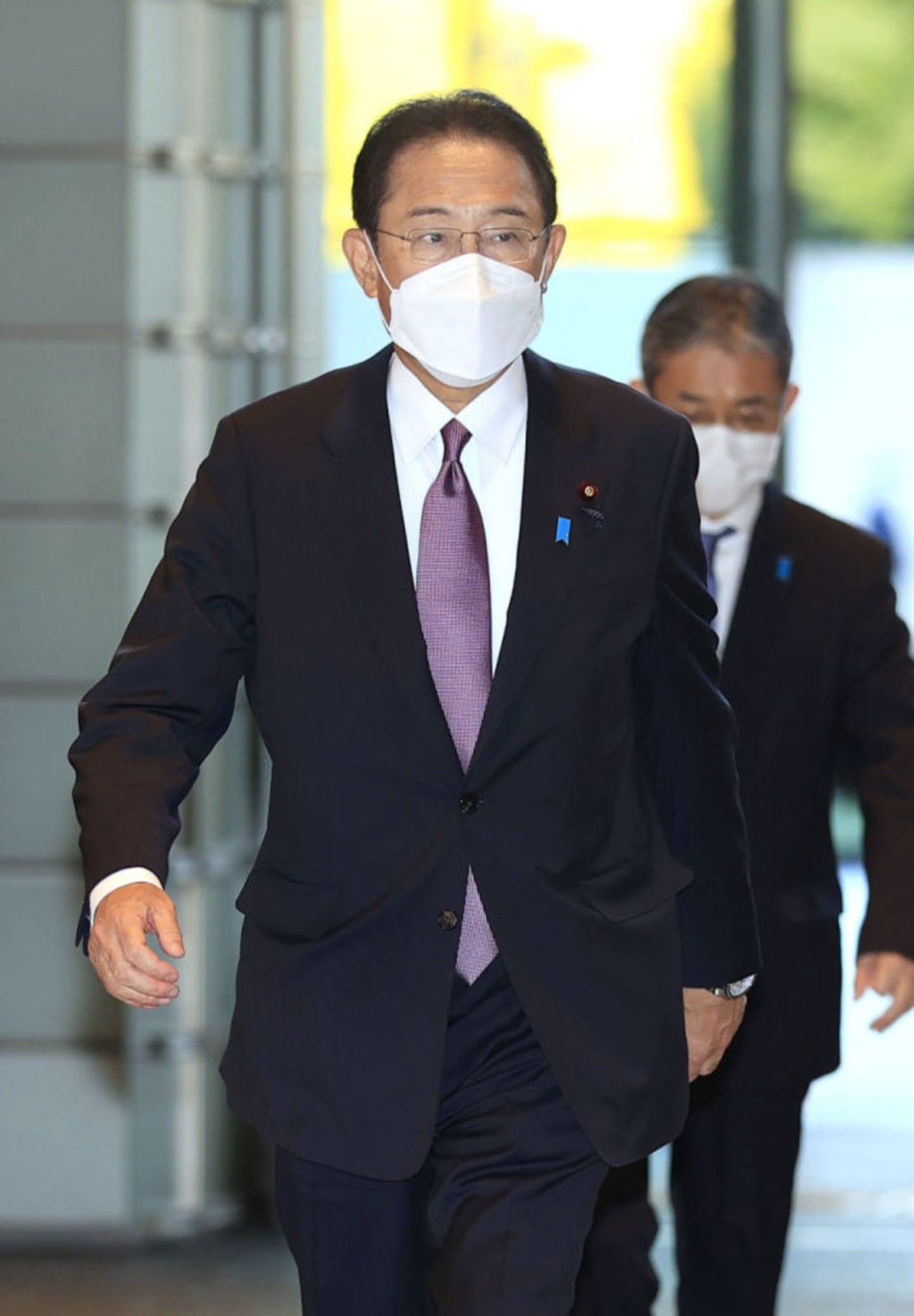
Japanese Prime Minister Fumio Kishida has confirmed the infection novel coronavirus, and more than 250,000 new COVID-19 cases have been diagnosed in a single day across the country. What is the local epidemic prevention situation?
A sudden! Japanese Prime Minister Fumio Kishida Diagnosed coronavirus Infection novel Coronavirus! Japan's "seventh wave" of COVID-19 aggravates, 14 hospitals in capital: medical care is in a state of collapse
Japan reported 253,265 new COVID-19 cases and 254 deaths in a single day on Monday, NHK television reported. There are now 16,979,808 confirmed cases and 36,850 deaths across the country. Health care systems in many parts of Japan are also under constant pressure as the virus spreads.
Five prefectures, including Yamagata and Miyagi prefectures, reported the highest number of cases since the outbreak began. The daily number of new cases in Tokyo and Osaka prefectures continued to exceed 20,000. Among them, Tokyo reported 25,277 new cases on the 20th.
According to Xinhua News Agency, the number of confirmed infections in Japan's "seventh wave" of COVID-19 since July remains high.
Many local people once infected, mild cases are isolated at home, if the patient is unfortunate enough to have serious symptoms, hospitalization is a big problem. As of Monday, more than 1.54 million infected people were quarantined at home across Japan, the highest number since the outbreak began, according to the Health Ministry.
Pedestrians wearing face masks walk along Shibuya street in Tokyo, Japan, July 29, 2022. Photo: Xinhua News Agency
According to Japanese government statistics cited by NHK Television, the rate of COVID-19 bed use as of Monday was 91 percent in Kanagawa Prefecture, 80 percent in Okinawa, Aichi and Shiga prefectures, and 70 percent in Fukuoka, Nagasaki and Shizuoka prefectures.
Among them, NHK television reported on Tuesday that COVID-19 beds on the main island of Okinawa have been overloaded and beds outside the coronavirus are also in short supply, making it difficult to be hospitalized for injuries or sudden illnesses.
The situation in Tokyo is not good either. The Tokyo Metropolitan government announced on Monday that the rate of hospital bed use was about 60 percent, which seems not to be a serious situation. However, many local medical workers are infected or have close contacts, resulting in a shortage of medical staff. Masataka Iniguchi, vice president of the Tokyo Metropolitan Medical Association, said on Monday that the rate of COVID-19 bed use in Tokyo is "approaching the limit."
'The outbreak has reached a very serious level... Kyungdo Capital is in a state of medical collapse where the number of COVID-19 beds is virtually full and "lives that could be saved cannot be saved."
The statement called on people to avoid non-emergency and unnecessary travel outside, and said that infection with the novel coronavirus "is by no means a simple cold-like illness". It urged people to continue to be on alert and take routine precautions.
Despite the severity of the outbreak and the high number of confirmed cases, the Japanese government has not adopted stricter quarantine measures. Soccer games in Japan are still packed. Recently, during the traditional festival of Obon, the passenger flow is also very large. During the holiday, the filling rate of domestic airlines has returned to about 80% of that before the epidemic, the Shinkansen is full, and the highways are congested.
Between the massive number of infections, the rising death toll, the cries of medical workers, and the seemingly daily return to the crowded streets. The current outbreak in Japan has posed new challenges to the local government.
About the Creator
Keep reading
More stories from writers in FYI and other communities.


Comments
There are no comments for this story
Be the first to respond and start the conversation.