
Japan’s $12 Billion Battle Against Tsunamis
How Japan is Fighting Nature’s Deadliest Force With Engineering Marvels

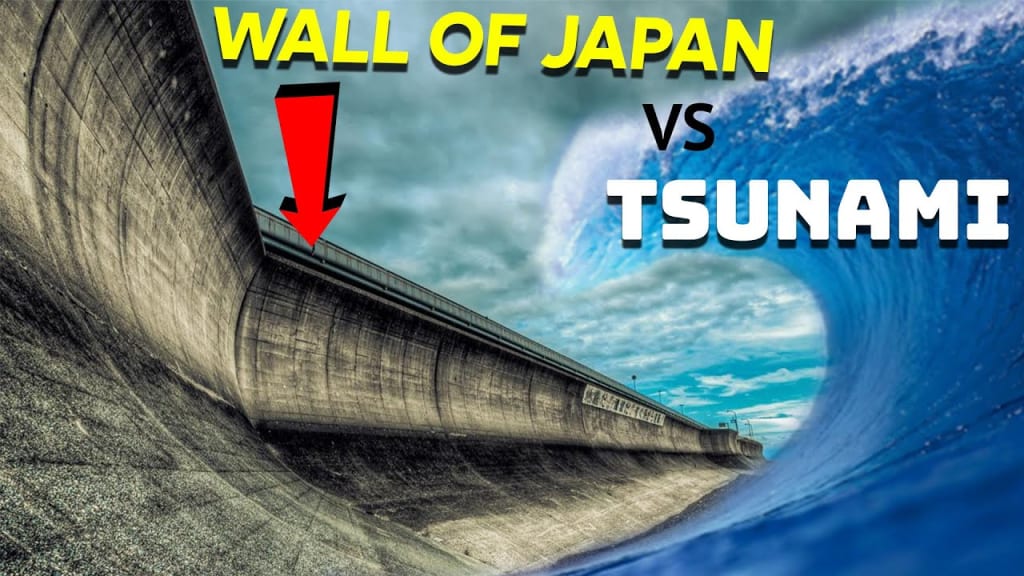
If we look at history, Japan has repeatedly been struck by deadly earthquakes and tsunamis. Avoiding such disasters is not in anyone's hands, but Japan has no choice except to face them head-on.
Welcome back to another video by Jam TV. In the past 1300 years, around 143 tsunamis have hit Japan, claiming the lives of more than 138,740 people. The most dangerous one occurred in the year 1741, with tsunami waves reaching up to 90 meters in height. Unfortunately, the threat of tsunamis in Japan is increasing with time. In 2022 alone, over 300 earthquakes were recorded—sometimes even three to four in a single day.
Japan is the only country where earthquakes are so frequent that it is mandatory to make skyscrapers earthquake-proof. From 2000 to 2022, Japan has faced five tsunamis of varying magnitudes, the deadliest of which occurred in 2011.
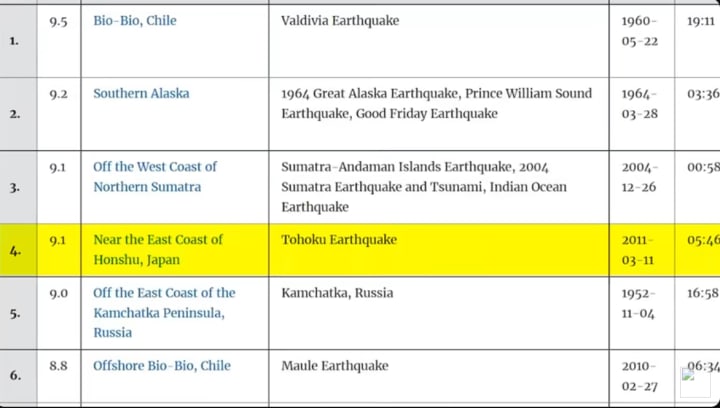
On March 11, 2011, a massive 9.1 magnitude undersea earthquake struck 72 km east of the Oshika Peninsula. It became the fourth most powerful earthquake ever recorded worldwide and the strongest in Japan’s history. The resulting tsunami produced waves as high as 55 meters, or about 180 feet, crashing into Sendai City at speeds of 700 km/h and traveling up to 10 kilometers inland.

One of the biggest challenges with tsunamis is that even modern technology cannot predict them accurately. Residents only received an 8-minute warning, which wasn’t enough for thousands to escape. Over 228,000 people lost their homes, and more than 15,000 lost their lives.
On top of that, the Fukushima Daiichi nuclear power plant failed, leading to a nuclear disaster. The tsunami cost Japan $235 billion in damages, making it the most expensive natural disaster in world history.
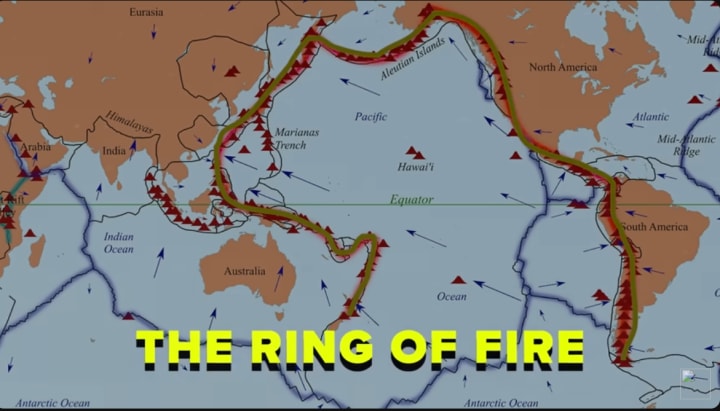
Why is Japan so prone to tsunamis? The biggest reason is its geographic location. The Pacific Ocean’s “Ring of Fire” is responsible for 90% of the world's earthquakes, volcanic eruptions, and tsunamis. This ring surrounds several tectonic plates, and Japan lies directly on this belt.
As a result, Japan constantly faces earthquakes, typhoons, and tsunamis. Making matters worse, 70% of Japan’s land is mountainous, while the flat areas—just 30%—are mostly along the coastlines where tsunami risk is highest.
Relocating entire cities to the mountains is nearly impossible. So, to protect its coastal areas, Japan has been working for decades and has developed a unique approach. One major initiative has been the construction of sea walls, which have been part of Japan’s coastal defenses for a long time.
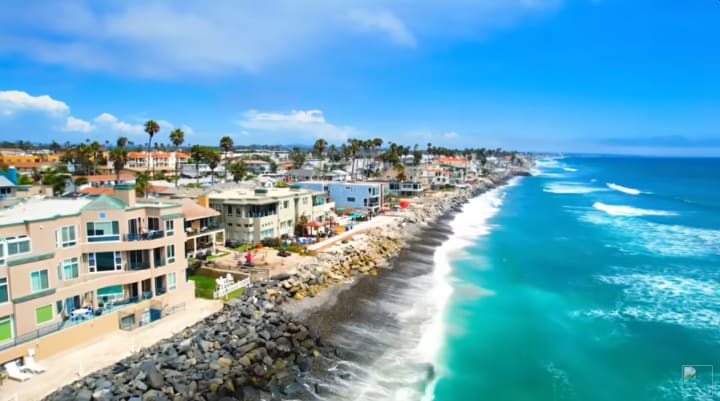
After a devastating typhoon hit the village of Taro in 1964, Japan built two massive sea walls, 2.4 km long and 10 meters high, that significantly protected the area from ocean waves. Similar structures were later built in other coastal cities. However, the 2011 tsunami was far bigger than expected, with waves reaching 12 to 15 meters—more than what the 10-meter walls could withstand.
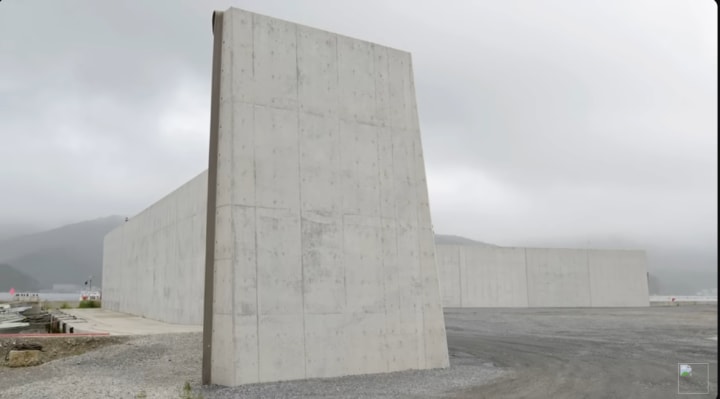
Still, the walls helped reduce the tsunami’s force in many areas. After 2011, Japan decided to upgrade its sea walls to be even higher and longer. A budget of $12 billion was allocated to build a 400-kilometer-long wall, 15 meters high, along the eastern coast. These new walls are 5 meters taller than before and have foundations buried 25 meters deep for added strength.
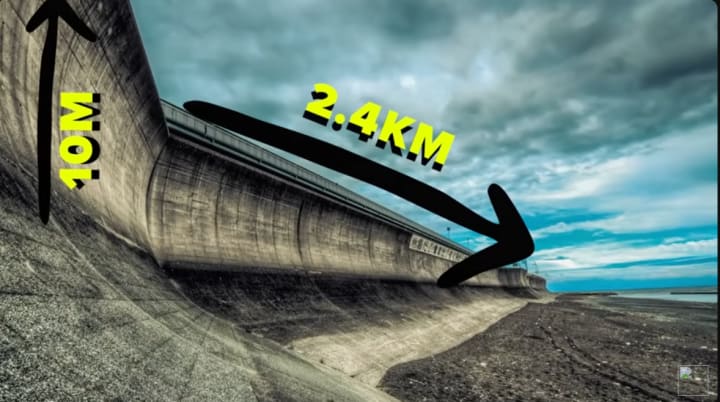
Their width has also been increased, and they are specially designed to resist tsunami waves. Before construction, engineers created artificial tsunamis using simulators to test wave pressure on the new walls. Vibrators simulated the 2011 quake patterns, and wave behavior was analyzed in detail.
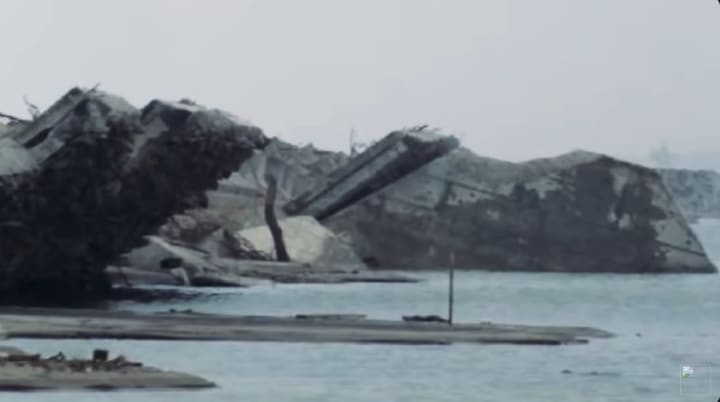
The simulations showed that the damage in 2011 wasn’t due to direct waves, but rather the resulting flood, which the sea walls had partially weakened. The new walls now have a curved design so that waves hitting the wall will bounce back in a U-turn motion, reducing the force of incoming waves.
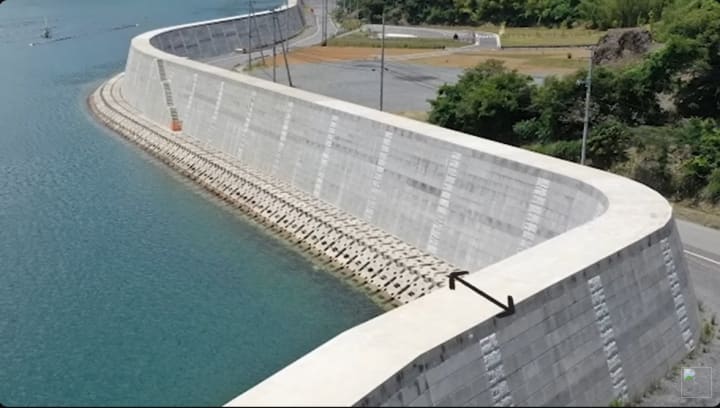
Besides walls, Japan has also installed underwater breakwaters near high-risk zones. These breakwaters reduce wave pressure before it reaches the walls.
However, local communities have expressed concern. In some areas, the walls are as tall as four-story buildings, making residents feel like they live in a prison. Others worry that these structures may drive away tourists.
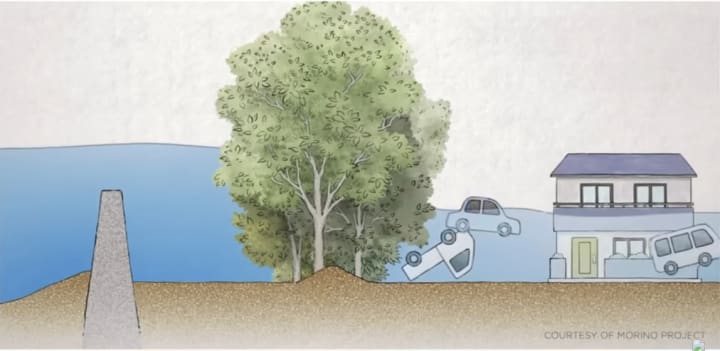
Japan has categorized tsunamis into two levels. Level 1 tsunamis occur every 50–60 years with waves up to 15 meters high—these walls are designed for them. But Level 2 tsunamis, which may come once every 100 to 1000 years, can overpower these walls. To prepare for those, Japan is building tsunami mitigation parks at high-risk hotspots.
These parks will have dense forests that not only break the waves’ pressure but also block debris from flowing back into the sea. Trees will act as a second line of defense against large objects carried by the water.
Japan’s seawall engineering is nothing short of a marvel and has proven effective in facing devastating tsunamis. The country is making every effort to protect itself from natural disasters, but it also accepts the reality that sea walls are not a permanent solution.
With global warming raising sea levels and increasing storm intensity, earthquakes are becoming a daily occurrence. Japan knows well that even these massive structures can't guarantee 100% safety. In truth, the $12 billion investment has bought Japan time—time for people to escape when disaster strikes again.
About the Creator
Keep reading
More stories from Jehanzeb Khan and writers in FYI and other communities.
How Dubai Ruler built Dubai in a Desert
Before 1980, Dubai was just a barren desert town, a forgotten face on the map of the Middle East. Life was simple, infrastructure was limited, and the world hardly noticed it. But in just four decades, something extraordinary happened. Under the visionary leadership of Sheikh Mohammed bin Rashid Al Maktoum, Dubai transformed itself from a lifeless stretch of sand into one of the most dazzling and futuristic cities on Earth. It was a transformation so dramatic, it left the world in awe.
By Jehanzeb Khan8 months ago in FYI
Strategic Importance of Domestic Aerospace Manufacturing Capacity
Domestic aerospace manufacturing capacity plays a vital role in maintaining national security, economic stability, and technological leadership. In an era where global supply chains are increasingly complex and geopolitical uncertainties continue to grow, the ability to produce critical aerospace components within national borders has become more important than ever. For countries like the United States, maintaining a strong domestic aerospace manufacturing base ensures operational readiness, supply chain resilience, and long-term industrial competitiveness.
By Beckett Dowhan8 days ago in FYI
The Politics of Playing Dress-Up
Well, to start off I'd like to say a happy world book day to all who celebrate. I know I haven't really posted anything on my socials about it but I'm not a jubilant kind of person. I lay low most of the time. Let's start off with a popular anecdote from the vaults...
By Annie Kapur7 days ago in Geeks


Comments (1)
wow so good