
Its all yours gravity
What is Jettison in Aviation?

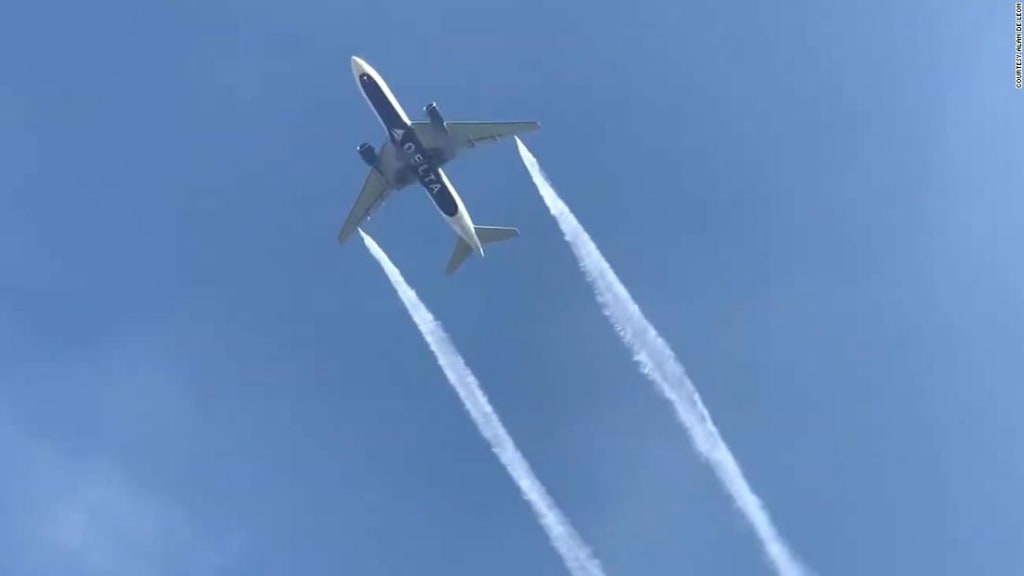
In aviation, emergencies or technical issues often require quick and decisive actions to ensure the safety of passengers and the aircraft. One such action, often misunderstood but vital, is fuel dumping. What is jettison in aviation? In simple terms, it is the process of intentionally and safely releasing fuel from an aircraft during flight. This procedure, known formally as fuel jettison, is not uncommon and serves a specific purpose that revolves around reducing the weight of the aircraft.
Why is Fuel Dumping Necessary?
To fully understand what is jettison in aviation, it’s important to know that aircraft are designed with both a maximum takeoff weight and a maximum landing weight. These two values often differ, with the landing weight being significantly lower. If an aircraft is required to return to the airport shortly after takeoff—due to technical issues or emergencies—the plane is often too heavy to land safely. To avoid damage to the aircraft's structure, pilots may need to dump fuel and reduce the weight to within safe landing limits.
For larger, long-haul aircraft, jettison systems are typically installed to release fuel at high altitudes. These systems allow for a controlled and efficient reduction of the aircraft's weight, ensuring it can land without exceeding its structural limits.
How Does Fuel Dumping Work?
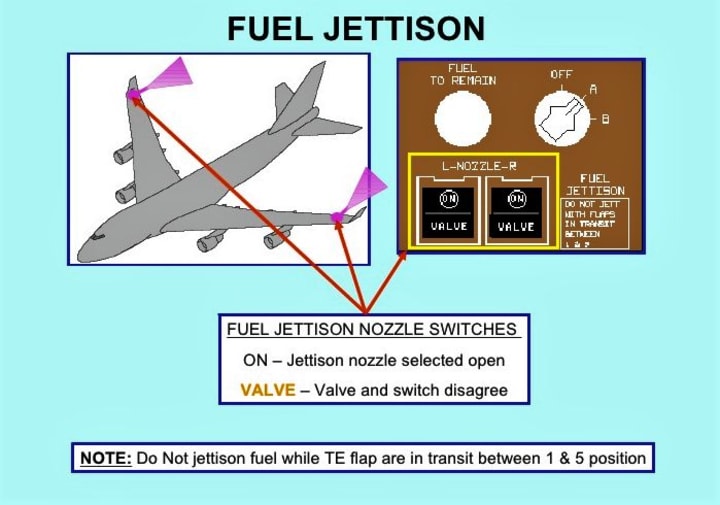
What is jettison in aviation from a technical perspective? Large commercial aircraft, such as the Boeing 747 and Airbus A340, have fuel jettison systems that allow pilots to safely release fuel in flight. These systems involve specialized nozzles located on the wings of the aircraft. If a fuel dump is deemed necessary, the system will pump out fuel through these nozzles at a rate of several tons per minute. This fuel evaporates quickly, especially when released at high altitudes, ensuring minimal environmental impact.
Most narrow-body planes, like the Boeing 737 and Airbus A320, do not have fuel dumping systems installed. These planes are designed to safely land at near-maximum takeoff weight without requiring fuel jettison. However, larger aircraft often rely on this process to avoid the dangers associated with an overweight landing.
Procedures for Fuel Jettison
Understanding what is jettison in aviation also involves knowing the procedures that pilots and air traffic controllers must follow. Before beginning fuel dumping, pilots are required to coordinate with air traffic control to determine the safest route and altitude for the procedure. Fuel is typically released over water or uninhabited areas to avoid any risks to populated regions. The recommended altitude for fuel dumping is usually between 5,000 and 6,000 feet, as research has shown that fuel vaporizes at these heights before reaching the ground.
During the fuel dump, air traffic controllers ensure that other aircraft maintain a safe distance, with a horizontal separation of at least 10 nautical miles. Vertical separation requirements are also enforced, with aircraft either flying at least 1,000 feet above or 3,000 feet below the dumping plane.
Environmental and Safety Considerations
Fuel jettison is a safe and regulated procedure in aviation, but it does raise some environmental concerns. However, studies by aviation authorities, particularly the United States Air Force, show that most fuel dumped from high altitudes vaporizes before reaching the ground, posing minimal risk to the environment.
Pilots and air traffic controllers follow strict protocols to ensure that the procedure is conducted as safely and efficiently as possible. The ecological impact of fuel dumping is a topic of ongoing research, but the aviation industry has taken steps to minimize its effects.
Final Thoughts
So, what is jettison in aviation? It is a critical safety procedure that allows aircraft to reduce weight quickly in flight, ensuring a safe landing when necessary. While fuel dumping may sound alarming to the uninformed, it is a highly controlled and safe process that pilots only perform when absolutely needed. The next time you hear about fuel dumping, you’ll know that it’s not only a precautionary measure but a vital tool in maintaining the safety of everyone on board.
About the Creator
Horace Was
Essay Writer, Aviation and Technology Expert
Keep reading
More stories from Horace Was and writers in FYI and other communities.
Kenyan Tech Startups
In recent years, Kenya has emerged as a major hub for technology-driven businesses in Africa. This surge in tech startups is not only transforming the country's economy but also positioning Kenya as a leader in the African tech landscape. In this post, we’ll explore the key factors contributing to the rise of tech startups in Kenya and how the country's unique environment fosters innovation and entrepreneurship.
By Horace Wasabout a year ago in FYI




Comments
There are no comments for this story
Be the first to respond and start the conversation.