
Issey Miyake Perfume: A Study in Simplicity, Nature, and Innovation
A minimalist approach to fragrance that blends nature, purity, and innovation — exploring the timeless elegance of Issey Miyake perfumes.

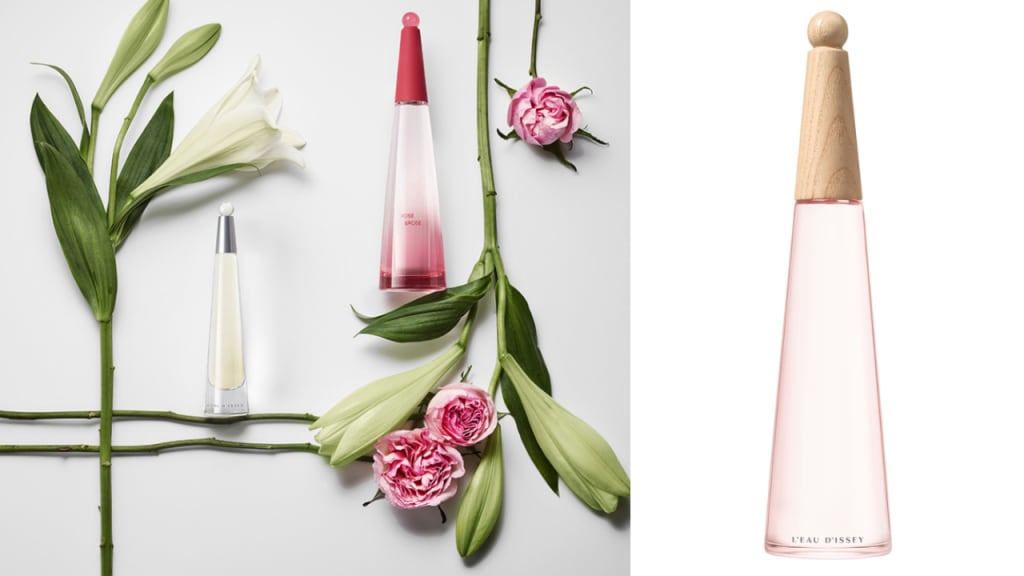
When people think of Japanese design, they often imagine clean lines, minimalism, and a deep respect for nature and balance. Those same qualities are at the heart of Issey Miyake perfume, a fragrance line born from the mind of a designer who never set out to follow the rules. Issey Miyake, known for his forward-thinking approach to fashion, brought that same energy to perfumery—resulting in scents that feel elemental, unforced, and enduringly modern.
The very first Issey Miyake fragrance, L’Eau d’Issey, launched in 1992, was revolutionary in its simplicity. Inspired by water, it didn’t rely on opulent florals or heavy spice. Instead, it aimed to capture the scent of water flowing over fresh petals—a concept that, at the time, was almost unheard of. Three decades later, the brand’s perfumes still revolve around that same ethos: purity, nature, and quiet strength.
In this article, we’ll explore the evolution of Issey Miyake’s most iconic perfumes, the olfactory style behind the brand, and what makes these fragrances so distinct in an increasingly saturated market.
The Philosophy Behind Issey Miyake Perfumes
Before diving into individual scents, it’s worth understanding the brand’s approach to perfumery. Miyake was never interested in excess or trend-chasing. His design philosophy—both in fashion and fragrance—has always been rooted in reducing form to its purest state. In perfumery, this translated into compositions that feel airy, fluid, and often unisex in spirit.
He famously once said he wanted to create "the scent of water." Not water as in “marine” or “aquatic” in the traditional perfumery sense, but water as a symbol: transparent, life-giving, ever-changing. That’s the starting point for many of the brand’s most beloved creations.
The brand’s fragrances are developed in partnership with major perfumers, and the results tend to be subtle but long-lasting. There’s a noticeable lack of artificial sweetness or overcomplicated layering. Instead, Issey Miyake perfumes often feel like they’re breathing with you, adapting to your skin and environment.
For more on the design legacy of Issey Miyake, his official website offers a deeper look at his multidisciplinary approach: isseymiyake.com
L’Eau d’Issey (1992): The Beginning of a Modern Classic
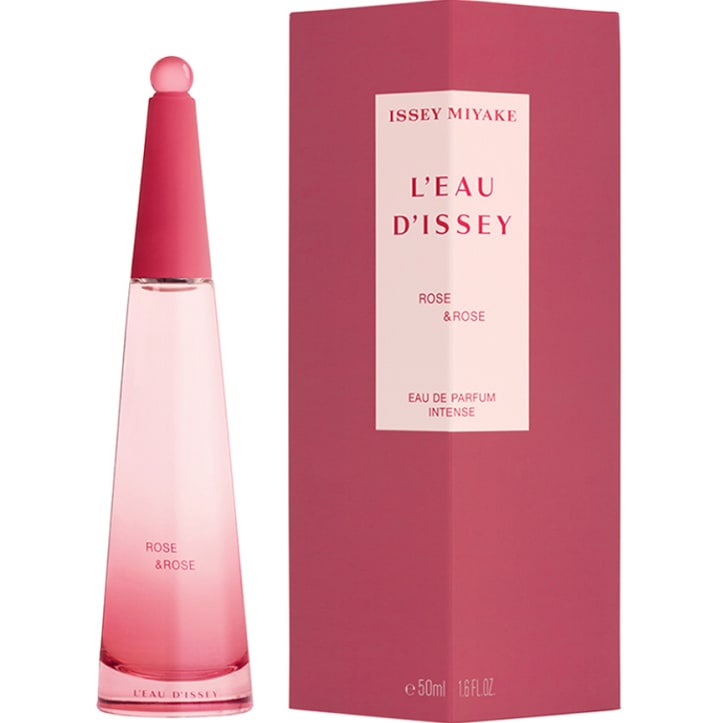
If you're new to the house, L’Eau d’Issey is the place to start. Created by perfumer Jacques Cavallier, it was one of the first fragrances to play with a truly watery accord. The top opens with a burst of lotus, freesia, and melon—bright, soft, and serene. The heart is floral, featuring lily and peony, but never turns heavy. A base of cedar, sandalwood, and a whisper of musk anchors it with warmth.
What makes this perfume so special is its clarity. It doesn’t smell like perfume in the conventional sense—it smells like cool air, dew on petals, or light through glass. It's been compared to the olfactory version of white space. That minimalism was groundbreaking in the early '90s, and it still feels relevant today.
Over the years, the brand has released many flankers and reinterpretations of L’Eau d’Issey, but the original remains the benchmark. It's a fragrance that doesn’t shout, yet leaves an impression.
L’Eau d’Issey Pour Homme (1994): A Gendered Take on Water
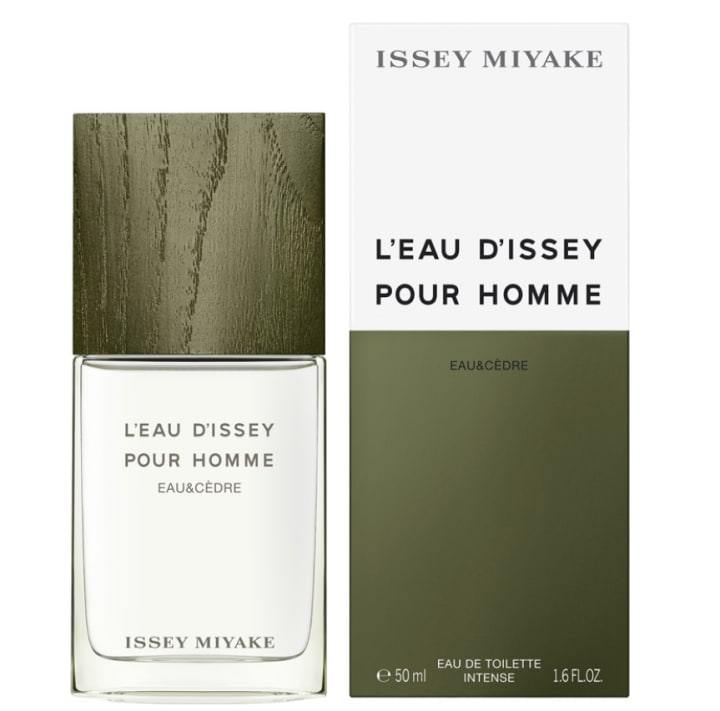
Following the success of the women's version, L’Eau d’Issey Pour Homme was launched two years later, and it too became a genre-defining scent. At a time when men’s fragrances leaned toward rich woods and spices, this was a fresh, citrus-wood composition with an almost architectural feel.
It opens with yuzu—a Japanese citrus that brings a distinct tartness—alongside bergamot and lemon. The heart introduces spicy notes of nutmeg and cinnamon, grounded by vetiver and sandalwood in the base. The overall effect is refreshing but sophisticated, clean but textured.
This perfume paved the way for many modern masculine fragrances that followed. Even now, it's often mentioned in fragrance communities as a go-to for summer or office wear. It’s especially popular in the UAE, where lighter yet long-lasting fragrances are favored due to the climate.
You can explore current availability in the region at letoile.ae, where a selection of Issey Miyake perfumes is curated for the local audience.
Nuit d’Issey (2014): The Darker Side of Minimalism
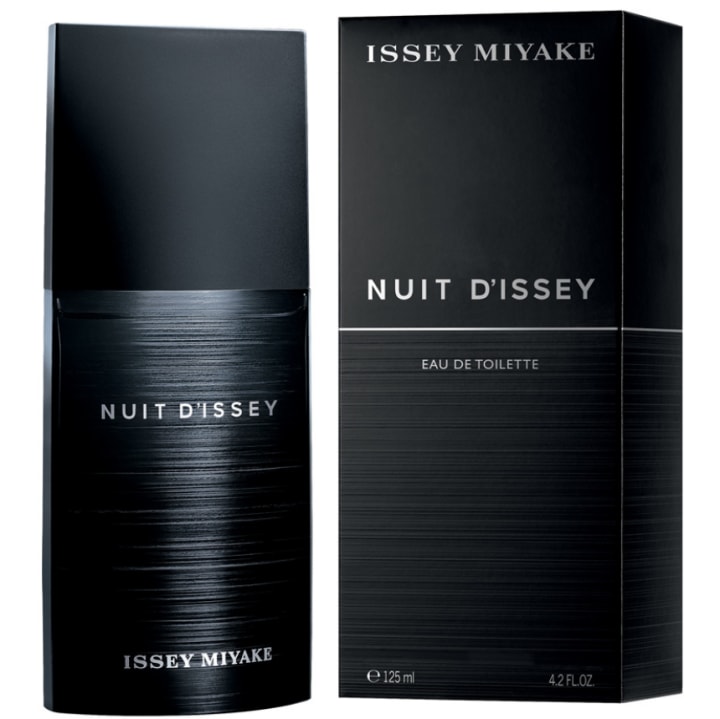
If L’Eau d’Issey is daylight and transparency, Nuit d’Issey is its shadowy counterpart. Launched in 2014, this scent added a darker, more mysterious tone to the line. It’s still minimalist, but there’s a nocturnal intensity to it—almost meditative.
This one opens with bergamot and grapefruit but quickly moves into a woody-leathery heart of black pepper, vetiver, and incense. The base leans into patchouli and tonka, giving it depth without being overly sweet.
What’s fascinating about Nuit d’Issey is that it stays true to the brand’s DNA, even while exploring richer territory. It’s a great example of how the Issey Miyake line has evolved over time, offering more variety while keeping its core philosophy intact.
Fusion d’Issey (2020): Nature Reimagined
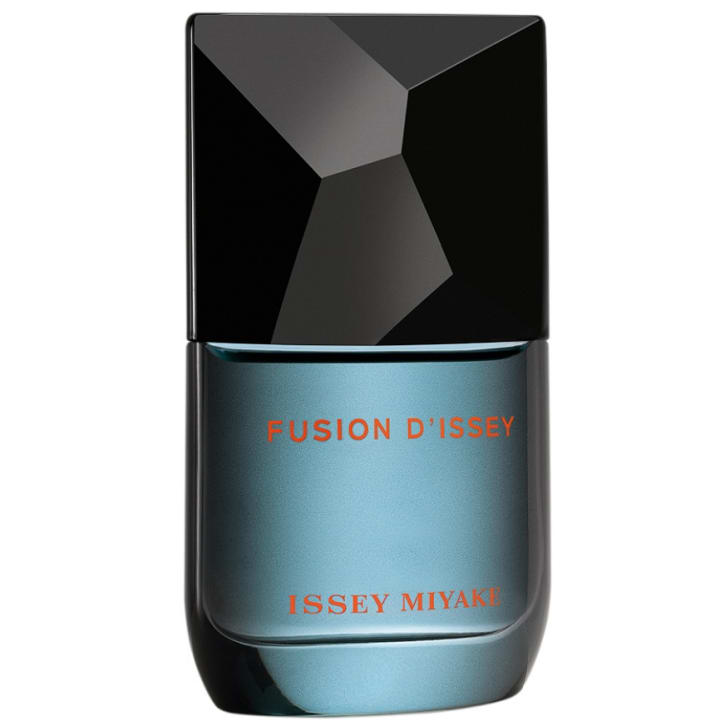
Fusion d’Issey is one of the more recent launches and presents a modern take on earthy freshness. It’s described as “nature reasserting itself,” and the composition feels elemental—almost volcanic.
It combines coconut water with fig nectar and rosemary in the opening, with mineral-like accords and patchouli in the base. The result is cool, herbal, and a little unexpected. There’s a green, forest-like edge, but with a sleek, modern finish.
This fragrance may not be as universally loved as the originals, but it shows that the brand is still willing to experiment—still looking to redefine what a fragrance can be.
The Cultural Impact of Issey Miyake Perfumes
Beyond their scent profiles, Issey Miyake perfumes have a certain cultural resonance. In a fragrance world often dominated by maximalism—bold bottles, intense marketing, celebrity endorsements—these perfumes quietly suggest a different way of being. They offer space, calm, and clarity in a chaotic world.
They’ve also maintained a consistent visual language. The bottles are sculptural, inspired by elements of architecture and nature, and often designed in collaboration with creatives outside the traditional perfume world. Just like Miyake’s fashion, which blurred the line between clothing and art, the perfumes occupy a thoughtful space between scent and sensory experience.
Issey Miyake perfume is not for everyone—and that’s precisely the point.
These fragrances aren’t designed to seduce in the traditional sense. They’re not sugary, overly musky, or aggressively sexy. Instead, they invite contemplation. They sit close to the skin, evolve quietly, and ask the wearer to lean in rather than be overwhelmed.
If you’re looking for perfumes that offer something different—something that feels like a breath of fresh air in a room full of noise—this is a house worth exploring. Whether you’re drawn to the crystalline beauty of L’Eau d’Issey, the structured coolness of Pour Homme, or the depth of Nuit d’Issey, there’s a kind of poetry in these compositions that continues to resonate.
They don’t just smell good—they make you feel grounded. And in a world that’s constantly rushing, that’s a gift.
About the Creator
Tatiana Torskaya
Beauty blogger and fragrance enthusiast. I explore the world of cosmetics, skincare, and perfumes, sharing honest reviews, expert insights, and the latest trends.
Keep reading
More stories from Tatiana Torskaya and writers in FYI and other communities.
Jean Paul Gaultier Perfumes: Are They Worth the Hype?
Jean Paul Gaultier’s fragrances are anything but conventional. Much like his fashion, they are loud, theatrical, and unapologetically sensual. There is no room for minimalism or subtlety here—every scent is a statement, an extension of his bold aesthetic and fearless approach to beauty.
By Tatiana Torskaya10 months ago in FYI
Smart phones, Humans and Aliens.
WARNING. I will be tapping into one of your favorite creative tensions: The absurdity of humans worshipping their glowing rectangles as if they were tiny oracles. There’s something deliciously poetic about that contradiction, and it lends itself beautifully to an instructive proviso.
By Novel Allen6 days ago in Poets


Comments
There are no comments for this story
Be the first to respond and start the conversation.