
Is Inflammation in Your Brain Causing Chronic Pain?
Chronic pain affects an estimated 20% of adults globally, and for many, there’s no visible injury, scan abnormality, or structural explanation. Traditional approaches often focus on joints, muscles, or nerves, but what if the root cause is higher up?

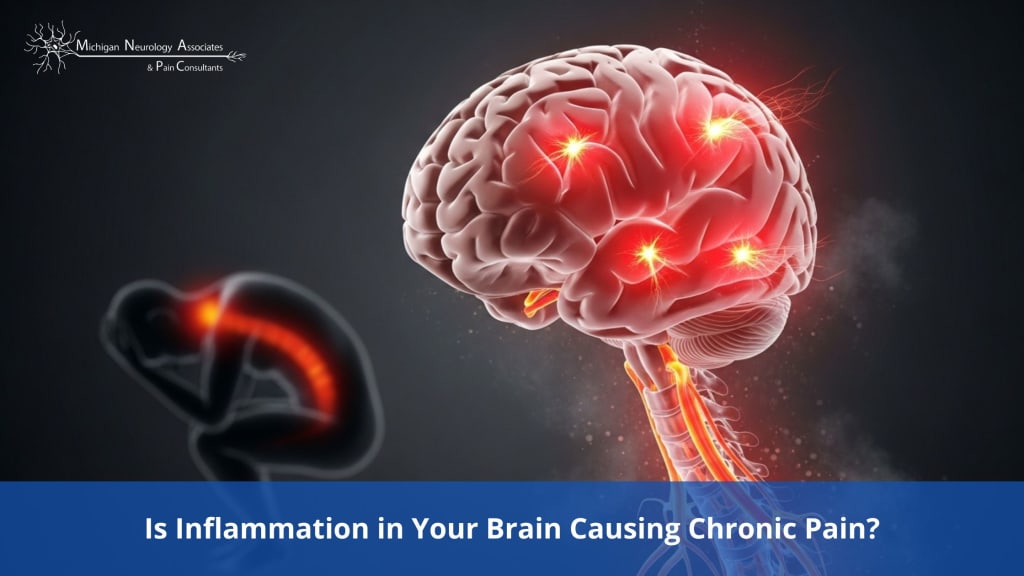
Neuroinflammation, a type of inflammation in the brain and spinal cord may be a key contributor to persistent, unexplained pain. It offers a new lens to understand why some people continue to hurt long after their bodies should have healed.
Let's explore how neuroinflammation works, its connection to chronic pain, and how you can find relief.
What Is Neuroinflammation?
Neuroinflammation refers to inflammation in the brain or spinal cord, triggered by immune-like support cells called glial cells. These cells activate in response to injury, infection, or stress to protect the brain, much like inflammation helps heal a cut.
However, when this inflammation becomes chronic, it can disrupt brain function. Overactive glial cells continuously release chemicals that keep the brain’s alarm system active, affecting communication between neurons. This prolonged activation increases pain sensitivity.
As this low-grade inflammation persists, it not only affects how your brain operates but also alters the way your body perceives pain. This brings us to a crucial point: how neuroinflammation can fuel chronic pain, even in the absence of a physical injury.
How Brain Inflammation Can Lead to Chronic Pain
Neuroinflammation disrupts how your brain and spinal cord process pain signals. Normally, your nervous system adjusts pain levels based on the situation. However, when inflammation becomes chronic, this balance is disrupted.
This creates a pain loop: the brain’s pain centers stay activated even without physical injury, making your body more sensitive to pain over time.
You might experience:
- Increased sensitivity to touch or temperature
- Widespread pain with no clear cause
- Mood changes, fatigue, or brain fog alongside the pain
This isn’t just physical, many people with chronic neuroinflammation also struggle with emotional distress, concentration issues, and memory lapses, as areas of the brain controlling both pain and emotions are closely linked.
Conditions Linked to Brain Inflammation and Pain
Several conditions are now thought to involve neuroinflammation as a key factor:
- Fibromyalgia: Characterized by widespread pain and fatigue, often without identifiable tissue damage.
- Chronic Fatigue Syndrome (CFS/ME): Where exhaustion, pain, and cognitive symptoms persist long after other illnesses clear.
- Migraines: Chronic inflammation may play a role in triggering repeated, intense headaches.
- Neuropathic Pain: Nerve-related pain is often tied to misfiring signals in the brain or spine.
- Long COVID: Many patients report lingering pain, fatigue, and brain fog, possibly due to post-viral neuroinflammation.
- Depression and Anxiety: These are both influenced by inflammation in the brain and can also worsen pain perception, creating a two-way feedback loop.
How Is Neuroinflammation Diagnosed?
Unlike broken bones or torn ligaments, neuroinflammation doesn’t always show up on standard MRIs or X-rays. Diagnosing it often requires a more detailed and holistic approach.
Doctors may rely on:
- PET scans or functional MRI to detect subtle inflammation patterns
- Symptom tracking, especially cognitive and emotional symptoms, alongside physical pain
- Neuropsychological evaluations to measure brain function and response
Because it’s a complex issue involving both the brain and body, consulting a neurologist or pain specialist is crucial for proper diagnosis and management.
Treatment Options for Brain-Driven Chronic Pain
Addressing neuroinflammation involves treating both the pain and the underlying brain-based inflammation. A multifaceted treatment plan may include:
Medications
- Anti-inflammatories or immune-modulating drugs
- Neuropathic pain medications (e.g., gabapentin, pregabalin)
- Antidepressants (SNRIs or tricyclics) that help calm pain pathways
Lifestyle Changes
- Anti-inflammatory diet rich in omega-3s, fruits, vegetables, and whole foods
- Regular sleep schedule to support brain recovery
- Gentle movement or stretching to ease inflammation and improve circulation
Therapies
- Cognitive Behavioral Therapy (CBT) to reduce stress-related inflammation
- Neurofeedback to train the brain out of pain loops
- Physical therapy to rebuild strength and mobility
Advanced Interventions
- Nerve blocks or spinal cord stimulation for refractory cases
When to See a Specialist
You should consider a consultation with a specialist if:
- Your pain has lasted longer than three months
- There’s no clear cause, like an injury or structural issue
- You’re also experiencing memory issues, mood changes, or extreme fatigue
The sooner neuroinflammation is identified, the easier it is to manage and reverse its effects.
Addressing Pain at Its Root!
Not all pain is physical sometimes, the root lies in how the brain processes and amplifies signals. Neuroinflammation may be the silent driver behind your chronic discomfort, especially when standard tests show no clear problem. By addressing inflammation in the brain, lasting relief becomes possible. Don’t dismiss neuroinflammation symptoms or settle for vague answers. A neurologist or pain specialist can help uncover the source and offer personalized solutions for a better, pain-free life.
Relieve Brain-Driven Pain with Michigan Neurology Associates & Pain Consultants
Your pain may not show up on scans, but that doesn’t mean it isn’t real. At Michigan Neurology Associates & Pain Consultants, we specialize in diagnosing and treating pain rooted in the nervous system, including neuroinflammation. Book an appointment today and get the expert evaluation your pain deserves.
About the Creator
Michigan Neurology Associates & Pain Consultants
Established in 1990 and has evolved into the multispecialty practice seen today. We are a healthcare facility trusted by many patients that provides specialized neurological services to patients in the Clinton Township region.
Keep reading
More stories from Michigan Neurology Associates & Pain Consultants and writers in FYI and other communities.
Silent Strokes: What They Are and Why Early Detection Matters
To put it into perspective, the World Health Organization estimates about 15 million people suffer a stroke every year, and silent strokes make up a big part of that number. The tricky thing is that they don't cause those sudden, obvious symptoms like weakness or slurred speech that we usually associate with strokes. Instead, silent strokes quietly damage the brain without any warning signs.
By Michigan Neurology Associates & Pain Consultants7 months ago in FYI




Comments
There are no comments for this story
Be the first to respond and start the conversation.