
India Goes Bananas for Google Gemini: The AI Image Trend Taking Over Social Media
Google’s Gemini image-generation feature has sparked a creative wave across India, showing how accessible AI tools are reshaping online expression.

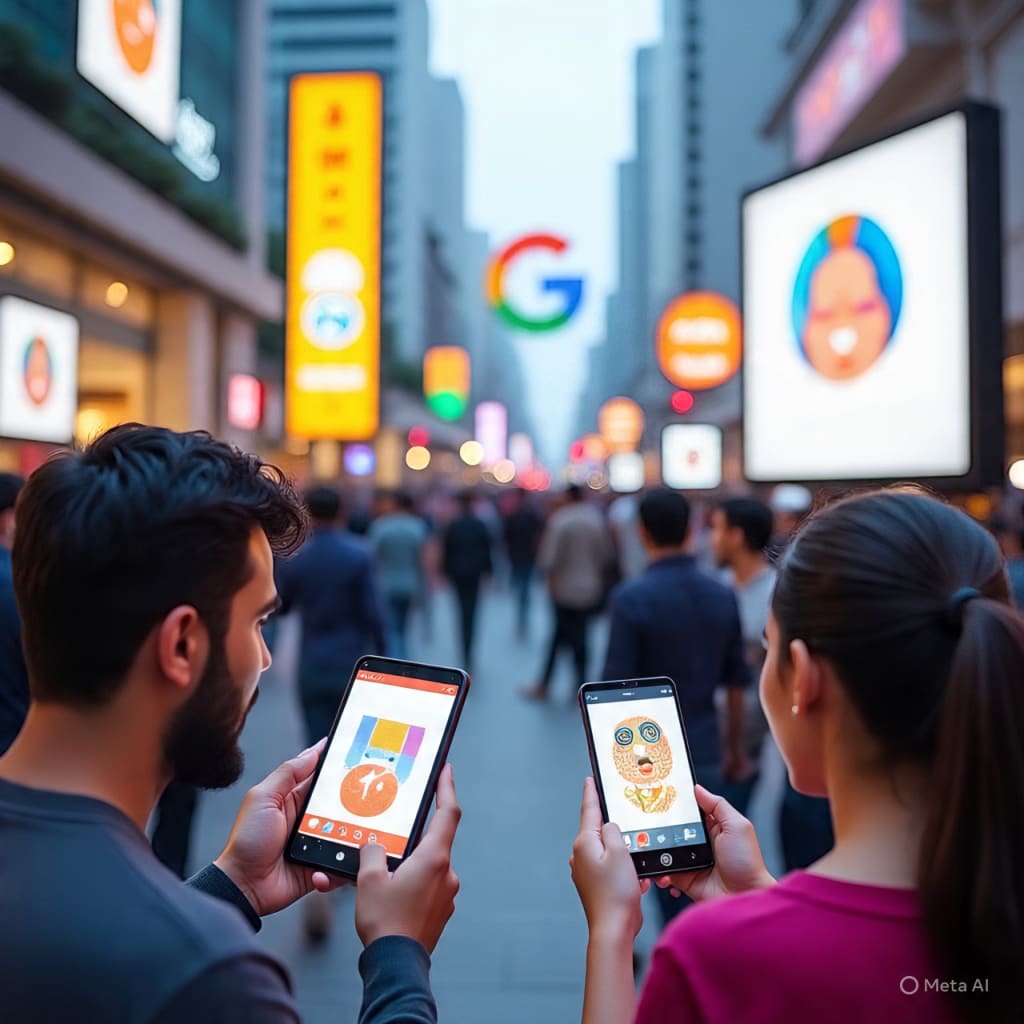
1. The Rise of a New AI Craze
In recent weeks, Indian social media platforms have been flooded with a new kind of content — images generated through Google Gemini, the tech company’s advanced AI system. The trend began with a simple prompt experiment that quickly turned into a viral phenomenon.
Users discovered that by entering short creative prompts, they could produce striking images in seconds. The most popular of these involved the phrase “banana,” leading to what has now become widely known online as the “Banana trend.” Within days, the internet was full of AI-generated visuals — from wedding edits to fantasy characters — all inspired by this quirky experiment.
While the idea seems playful, the speed and scale of its spread show something deeper: India’s growing comfort with artificial intelligence as a tool for creativity, humor, and digital storytelling.
2. What Exactly Is Google Gemini?
Google Gemini is the company’s latest AI model, developed as a successor to Google Bard. It’s designed to handle text, images, and even code in one integrated system. The model can respond to prompts, generate visuals, summarize data, and engage in natural conversation — much like other large language and image models.
In India, Gemini’s image-generation feature gained attention not only for its performance but also for its accessibility. Users can access the feature through their smartphones, type simple prompts, and instantly generate AI art without any design experience.
This combination of ease and curiosity created the perfect conditions for virality. The trend’s appeal wasn’t just about technology; it was about participation. Anyone could join in, create, and share their results within seconds.
3. Why the “Banana” Prompt Went Viral
The phrase “India goes bananas for Gemini” isn’t just a metaphor — it’s literal. The prompt “banana” started trending after users noticed Gemini’s ability to generate fun, surreal images when given playful words. The AI produced everything from banana-shaped characters to imaginative artwork that combined fruit with people, places, and events.
Soon, creators began using similar prompts for wedding photos, portraits, and festival-themed edits. Some blended local culture with humor, such as Bollywood-style banana heroes or traditional scenes reimagined through AI.
What made the trend truly viral was its inclusivity — it didn’t require advanced editing skills or technical knowledge. The creativity was in the idea, not the execution.
4. The Social Media Effect
Platforms like Instagram, X (Twitter), and WhatsApp became the main channels for this new wave of AI-generated art. Hashtags related to Google Gemini trended for several days, while meme pages and influencers joined in to boost engagement.
Short video creators demonstrated how to craft unique prompts, showing viewers step-by-step examples of how to make their own AI artwork. Some even began offering “custom AI edits” using Gemini for followers — showing how quickly online creativity can turn into micro-entrepreneurship.
The virality also reflects a broader trend: India’s fast adoption of AI tools for entertainment, art, and communication. With an increasingly digital population, such trends spread faster than ever before.
5. The Broader Implications
Beyond the humor, the Gemini trend highlights how AI creativity is becoming mainstream. Tools once limited to designers and researchers are now in the hands of millions of everyday users.
This shift raises interesting questions:
How will AI-generated visuals shape social media aesthetics?
What happens to traditional art when technology can mimic style so quickly?
And how do we balance fun with authenticity when the line between real and generated becomes blurred?
For now, the Gemini craze remains mostly harmless fun — but it signals a cultural moment where AI becomes part of everyday expression, not just a background technology.
6. Voices from the Community
Reactions have been mixed but largely positive. Many users call the Gemini image feature “addictive” and “fun to explore.” Some educators and creators see it as a gateway for learning digital skills, while others caution about misinformation and overuse.
A digital artist from Mumbai summed it up simply:
“It’s not about replacing creativity. It’s about having a new tool to express it.”
This perspective captures the growing sentiment that AI isn’t taking away artistic value — it’s expanding it, allowing more people to participate in visual storytelling without barriers.
7. Google’s Role and Future Developments
Google has welcomed the excitement while reminding users to follow community guidelines and avoid inappropriate content. The company continues to refine Gemini’s visual capabilities, adding more cultural diversity and accuracy to its outputs.
In the long run, this could mean better localization for Indian languages and themes, helping users generate contextually rich and culturally relevant visuals. The success of the current trend provides valuable feedback for how people interact with generative AI on a daily basis.
8. A Glimpse into Everyday AI
The “banana” moment may fade, but its significance will last longer. It represents a turning point where AI tools shifted from being technical experiments to part of everyday fun and communication.
When millions of users in one of the world’s largest digital markets engage with a single AI feature, it shows how quickly technology can evolve from niche to normal.
For India, this is not just a viral challenge — it’s a reflection of creativity meeting technology at scale.
Conclusion
The Google Gemini trend demonstrates how modern AI has entered public life in a relatable and joyful way. What began as an experiment with simple prompts became a nationwide wave of creativity.
As AI tools continue to develop, similar moments will likely emerge — moments that blur the line between human imagination and machine generation. The “banana” trend may be lighthearted, but it marks an important step in how people interact with technology — with curiosity, humor, and a desire to create.
About the Creator
Saad
I’m Saad. I’m a passionate writer who loves exploring trending news topics, sharing insights, and keeping readers updated on what’s happening around the world.
On National Cheese Lover’s Day, Don’t Feel Bleu—Celebrate the Curds That Bind Us
January 20th rolls around every year with a simple but powerful message: don’t feel bleu, throw a feta, and absolutely act capriciously if cheese is involved. National Cheese Lover’s Day is the perfect excuse to lean into one of humanity’s oldest and most beloved foods. Whether you’re reaching for cheddar, asiago, fontina, or something that smells questionable but tastes incredible, this is a gouda day to celebrate it all.
By Lawrence Leaseabout 15 hours ago in FYI


Comments
There are no comments for this story
Be the first to respond and start the conversation.