
IMPACT OF TECHNOLOGY FOR GOOD AND FOR EVIL.
The trends of large technology companies in our daily lives

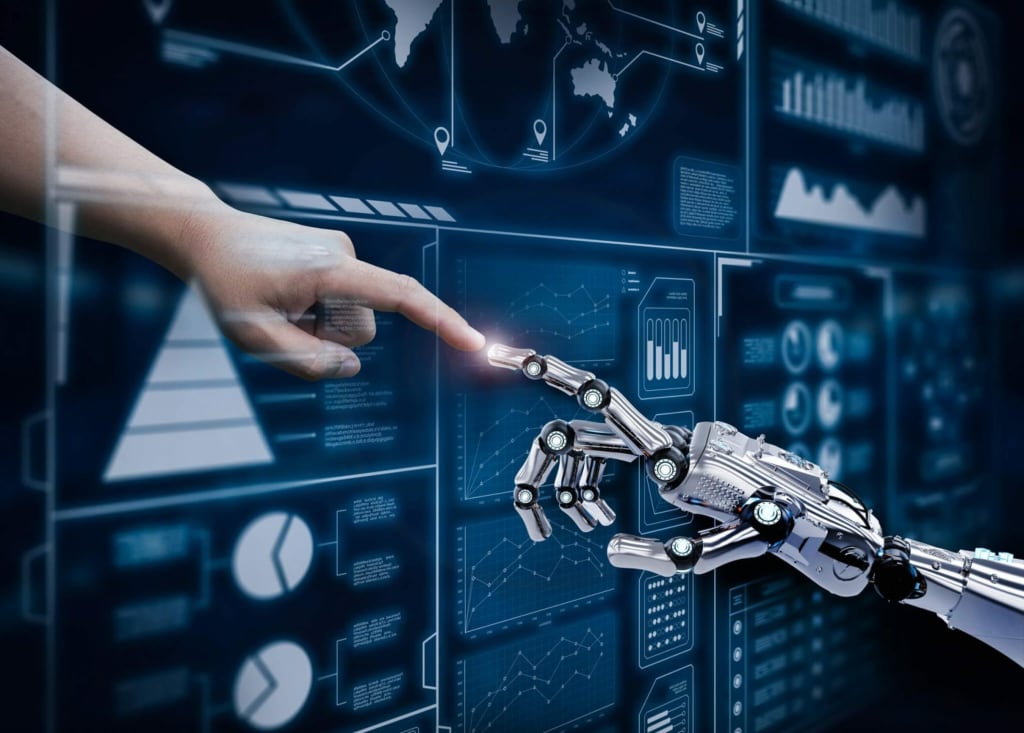
Companies such as Amazon, Google, and Microsoft are some of the top players in the technology industry, investing heavily in research and development to push boundaries and drive innovation. These companies are often at the forefront of new technologies, such as cloud computing, artificial intelligence, and machine learning.
In recent years, companies such as Facebook and Twitter have faced criticism for their handling of user data and misinformation. Both companies have made efforts to address these issues and improve their platforms, but the debate around their responsibility and impact on society continues.
Other companies such as Tesla, SpaceX, and Zoom have also made significant strides in their respective fields, with Tesla pushing the boundaries of electric vehicles, SpaceX revolutionizing space travel, and Zoom becoming a dominant force in remote communication.
However, it's worth noting that technology is a rapidly evolving field, and the landscape can shift quickly. A company that is leading the way today could be struggling tomorrow, and vice versa. Additionally, there are many companies and organizations working hard behind the scenes to innovate and improve, even if they are not as well-known as some of the industry giants.
In summary, there are many companies doing technology "right" and "wrong" in different ways and in different contexts. It's important to consider the specific goals and values of each company and evaluate their impact on society as a whole.
Companies doing technology "right":
Amazon: With its massive infrastructure and innovative technology, Amazon has transformed e-commerce and cloud computing.
Google: As a leader in search, advertising, and artificial intelligence, Google has revolutionized how people find and access information.
Microsoft: As a major player in software, gaming, and cloud services, Microsoft has continued to innovate and adapt to changing technology trends.
Tesla: Tesla's electric vehicles and renewable energy solutions have been at the forefront of sustainable transportation and energy storage.
Zoom: With the shift to remote work and virtual communication, Zoom has become a dominant force in video conferencing and online meetings.
Companies doing technology "wrong":
Facebook: Facebook has been criticized for its handling of user data and misinformation on its platform, as well as its role in spreading harmful content.
Twitter: Like Facebook, Twitter has faced criticism for its handling of misinformation and harassment on its platform.
Uber: Uber has faced regulatory and legal challenges over its business model and treatment of drivers, as well as safety concerns for passengers.
Huawei: Huawei has faced scrutiny over its ties to the Chinese government and concerns about the security of its telecommunications equipment.
TikTok: TikTok has faced criticism over its data privacy practices, especially in relation to its Chinese parent company, ByteDance.
These are just a few examples, and it's important to note that perceptions and opinions of companies can vary widely depending on individual experiences, values, and perspectives.
links and examples that support my ideas:
Amazon: https://www.nytimes.com/2021/06/07/technology/amazon-health-care-ai.html
Google: https://www.theverge.com/2021/2/17/22287979/google-ai-ethics-timnit-gebru-fired
Microsoft: https://www.zdnet.com/article/microsoft-unveils-azure-orbital-its-new-satellite-service/
Tesla: https://www.businessinsider.com/tesla-electric-cars-environmental-impact-research-study-2021-1
Zoom: https://www.cnbc.com/2021/06/01/zooms-eric-yuan-says-virtual-events-are-here-to-stay-after-pandemic.html
Companies doing technology "wrong":
Facebook: https://www.nytimes.com/2021/05/26/technology/facebook-trump-ban-oversight-board.html
Twitter: https://www.cnn.com/2021/02/11/tech/twitter-ceo-jack-dorsey/index.html
Uber: https://www.cnet.com/news/uber-loses-its-license-to-operate-in-london-again/
Huawei: https://www.bbc.com/news/business-49035154
TikTok: https://www.reuters.com/article/us-usa-tiktok-ban-explainer/explainer-what-is-tiktoks-u-s-strategy-and-why-is-the-committee-on-foreign-investment-involved-idUSKCN26F2Q2
Some potential long-term social impacts could include:
Increased polarization and echo-chambers in society due to social media algorithms that reinforce users' existing beliefs and preferences.
The spread of misinformation and disinformation online, which can have harmful effects on public health, democracy, and social cohesion.
Greater income inequality and labor precarity as the gig economy expands and traditional jobs are replaced by automation.
The potential loss of privacy and individual autonomy as more personal data is collected and analyzed by companies and governments.
The exacerbation of existing social and racial inequalities as certain groups may be excluded or marginalized by new technologies or algorithms.
Some potential long-term environmental impacts could include:
Increased energy consumption and carbon emissions due to the energy-intensive nature of many technology products and services.
The potential depletion of natural resources and damage to ecosystems due to the extraction of raw materials used in technology products.
The accumulation of electronic waste as more products are produced and discarded, leading to pollution and health risks for workers and communities.
The potential disruption of food systems and agricultural practices as technology is increasingly used to automate or optimize farming and food production.
The impacts of climate change on technology infrastructure, which could lead to increased vulnerabilities and risks for both companies and consumers.
These are just a few examples, and the actual long-term impacts of technology on society and the environment will depend on a wide range of factors and decisions made by companies, governments, and individuals.
About the Creator
JOAO BATISTA RODRIGUES DE FRANCA
Software engineer and graphic designer, an enthusiast in Artificial Intelligence, in all fields of action of these tools. My hobby is drawing and I believe in drawing therapy.
Keep reading
More stories from JOAO BATISTA RODRIGUES DE FRANCA and writers in FYI and other communities.
Art and drawings
Art and drawings Art and drawings have been an integral part of human culture since the beginning of time. From ancient cave paintings to contemporary masterpieces, art has always been a way for humans to express their thoughts, feelings, and emotions. But art is not just a form of expression; it also has numerous benefits for people. In this article, we will discuss the benefits of art and drawings for people.
By JOAO BATISTA RODRIGUES DE FRANCA3 years ago in Motivation
Top 10 Luxury Travel Experiences Around the World for 2026
Luxury travel in 2026 is no longer just about opulence; it’s about immersive, transformative experiences that combine comfort, adventure, and cultural depth. For seasoned travellers seeking something beyond ordinary vacations, the world offers a rich tapestry of unique journeys—from private islands to cultural explorations with personal guides. Below, we explore ten luxury travel experiences that promise exclusivity, personalization, and unforgettable memories.
By All 4 Season5 days ago in FYI


Comments
There are no comments for this story
Be the first to respond and start the conversation.