
Imam Hassan (AS): The Forgotten Peacemaker of Islam
A Life of Wisdom, Patience, and Strategic Leadership in Early Islamic History

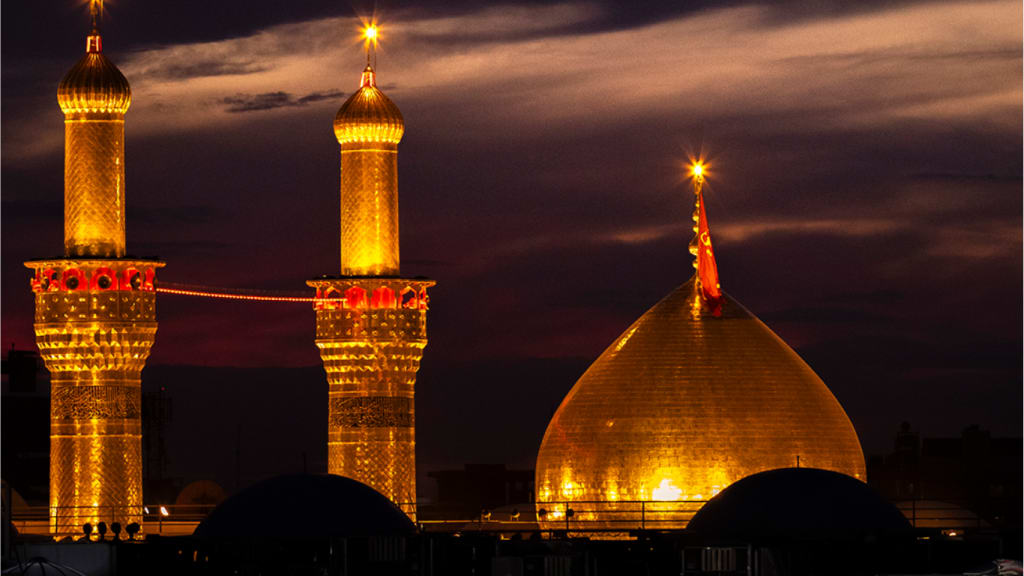
When we talk about the noble figures of Islamic history, the name of Imam Hassan ibn Ali (AS) deserves special reverence. As the eldest grandson of Prophet Muhammad (PBUH), Imam Hassan (AS) was a symbol of dignity, patience, and peacemaking. His life, often overshadowed by the dramatic events of Karbala involving his brother Imam Hussain (AS), was equally filled with trials, leadership, and spiritual strength.
This article aims to shed light on the legacy of Imam Hassan (AS), his significant yet peaceful approach to preserving Islam, and why his story holds vital lessons for our modern world.
Early Life and Lineage
Imam Hassan (AS) was born on the 15th of Ramadan in 3 AH (625 CE) in Medina. He was the firstborn of Hazrat Ali (AS) and Fatima Zahra (AS), the daughter of the Prophet Muhammad (PBUH). Being the grandson of the Prophet, he was raised in a deeply spiritual and ethical environment. From a young age, Imam Hassan was known for his humility, generosity, and devotion to the path of righteousness.
The Prophet Muhammad (PBUH) showed immense love for Imam Hassan (AS), often saying:
"Hassan and Hussain are the leaders of the youth of Paradise."
Role During the Caliphate Turmoil
Following the assassination of his father, Hazrat Ali (AS), Imam Hassan (AS) became the legitimate caliph of the Muslims. However, his rule lasted only about six months before he entered into a peace treaty with Muawiyah, the founder of the Umayyad dynasty.
This treaty is one of the most misunderstood events in Islamic history. Many questioned why Imam Hassan (AS) did not fight like his younger brother Imam Hussain (AS). The answer lies in his wisdom: Imam Hassan prioritized the unity and protection of the Muslim Ummah over personal authority or power. He understood that civil war would only weaken Islam and cost thousands of innocent lives.
His peace treaty ensured a temporary cessation of bloodshed, although Muawiyah later violated the terms. Nevertheless, Imam Hassan’s legacy remains one of strategic patience and political wisdom.
Personal Qualities and Generosity
Imam Hassan (AS) was known for his immense generosity. He is recorded to have donated all his wealth to the poor on multiple occasions. He believed in sharing whatever he had for the sake of Allah. Many stories are told of his compassion toward orphans, widows, and travelers in need.
His life exemplified:
Deep spirituality
Commitment to justice
Forgiveness even towards enemies
A vision for a peaceful Muslim society
Challenges and Betrayals
Despite his noble character, Imam Hassan (AS) faced immense hardship. After handing over the caliphate to Muawiyah, he was betrayed by some of his closest followers. His home was attacked, and he was subjected to humiliation by the very people he chose peace for. Later, historical accounts suggest that he was poisoned and martyred—most likely as part of a political plot during Muawiyah’s reign.
Even in his final days, Imam Hassan (AS) avoided division and violence, maintaining his commitment to peace.
Lessons from Imam Hassan’s Life
Imam Hassan (AS) teaches us that sometimes peace requires more strength than war. He showed that:
True leadership is about humility and service
Diplomacy and patience can save nations from destruction
Upholding principles is more important than chasing power
In today’s world, full of political polarization and ego-driven leadership, Imam Hassan’s example stands out as a timeless model of ethical governance and unity.
Commemoration and Modern Relevance
Imam Hassan’s (AS) martyrdom is less widely commemorated than Imam Hussain’s (AS), but it remains significant in Shia and Sunni communities alike. His life calls on Muslims today to reflect on the value of peace, negotiation, and the sacrifices needed to prevent division within the Ummah.
Conclusion
Though often underrepresented in mainstream Islamic discourse, Imam Hassan (AS) was a foundational pillar of Islamic morality and wisdom. His legacy reminds us that strength isn’t always about the sword—it can also be found in sacrifice, in silence, and in striving for peace in the face of conflict.
The Ummah owes him not only respect but also deep reflection on the choices he made for the sake of unity and Islam’s future.
About the Creator
Asad Ali
I'm Asad Ali, a passionate blogger with 3 years of experience creating engaging and informative content across various niches. I specialize in crafting SEO-friendly articles that drive traffic and deliver value to readers.



Comments
There are no comments for this story
Be the first to respond and start the conversation.