
Some things just naturally go together, like popcorn and movies, mornings and coffee, or NewYork and the Statue of Liberty. Similarly, it's hard to imagine Paris without the Eiffel Tower or India without the Taj Mahal. Unfortunately, these and many other iconic landmarks may disappear in the coming decades. Before you rush to visit them, let's take a closer look at some of these threatened treasures.
The Eiffel Tower, a symbol of Paris since 1889, was initially intended to be dismantled after 20 years. Despite its impressive longevity, the iron structure faces corrosion, worsened by exposure to the elements. Regular painting every seven years helps, but it's not a perfect solution. The tower also faces stress from wind and temperature changes, which cause the metal to weaken over time. This constant expansion and contraction can lead to long-term structural damage. The top of the tower follows an almost circular curve every 24 hours due to these movements. Despite a $65 million makeover before the 2024 Olympics in Paris, critics argue that it’s insufficient to address the underlying rusting problem.
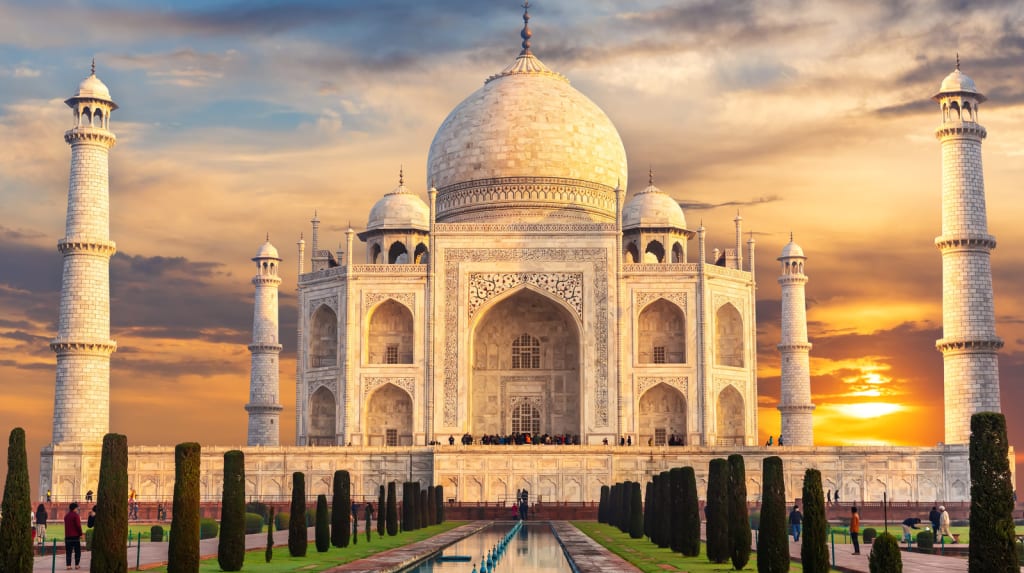
The Taj Mahal, one of the new Seven Wonders of the World, faces severe threats from pollution and environmental degradation. Vehicle emissions, industrial activities, and burning of fossil fuels have caused the once-gleaming white marble to turn shades of yellow, brown, black, and green. Additionally, insect excrement from pests living near the polluted Yamuna River further stains and corrodes the marble. Thousands of tiny insects appreciate the beauty of the Taj Mahal so much that they have chosen to make it their residence, further adding to the degradation. India's Supreme Court has threatened to shut down the site unless effective preservation measures are implemented. If no solution is found, the 8 million tourists who visit annually may have to find a new destination.
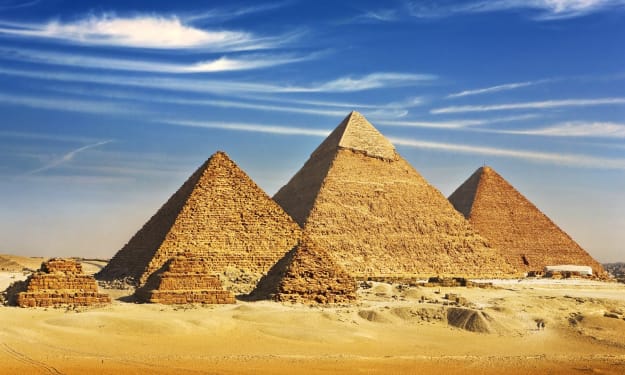
The Great Sphinx of Giza, another ancient marvel, is also at risk. The limestone structure suffers from erosion caused by rainwater, wind, and rising groundwater. Rainwater runoff into the west part of the Sphinx and the high winds in the desert cause significant erosion. These elements combine to degrade the Sphinx, making its future uncertain despite centuries of survival. Water is not the only problem for the Sphinx, as the high winds cause a sandblasting effect that erodes the delicate grainy surface of the limestone. Groundwater also wicks up into the porous rocks from the salt in the soil, causing further degradation.
The Statue of Liberty, unveiled in 1886, originally had a shiny brown color due to its copper construction. Over time, it turned green due to the formation of a protective patina. This layer guards against corrosion, but ongoing exposure to rain and pollution accelerates the chemical reactions that affect its stability. New York City continues to implement protective measures, but the long-term preservation of Lady Liberty remains a challenge. When the statue first turned green, authorities considered painting it, but experts confirmed that removing the protective layer would destroy the statue. The not-so-clean air around it only speeds up the reactions, posing a continuous threat.
Machu Picchu, the ancient Incan city in Peru, faces threats from both natural and human factors. The precisely cut stones of its buildings withstand earthquakes, but the influx of thousands of tourists daily causes physical wear and tear. Local authorities attempt to manage visitor numbers and protect the site, but balancing tourism and preservation is difficult. About 4,000 tourists visit Machu Picchu every day, and their physical presence is causing significant damage to the ancient ruins. Local authorities are trying to stop this by suspending visits to some temples and structures, but when the site was closed completely for a month, many locals dependent on tourism protested.
Lastly, the Leaning Tower of Pisa, which began tilting soon after construction started in the 12th century, continues to face stability issues. The soft ground beneath its foundation caused it to lean, leading to numerous attempts to correct its tilt over the centuries. Builders tried to fix the tilt by adding each subsequent floor at an angle, but it didn’t help. When the tower was finally ready, it tilted at 1.6 degrees. An architect working on it centuries later wanted to show the world the beautiful carvings on its base, but this only worsened the tilt. In the mid-20th century, when the tower was already leaning at 5.5 degrees, Italian officials invited experts to save it. They extracted soil from beneath the tower’s northern foundation to pull it back in an upright position. This method worked, but the tower remains at risk, especially from strong earthquakes.
In summary, while these landmarks have stood the test of time, they face numerous threats that could lead to their disappearance. Efforts to preserve them continue, but their future remains uncertain. So, while you still can, it might be worth planning a trip to see these wonders of the world before they potentially fade into like
About the Creator
A Failed Artist, A Disillusioned Poet, An Underpaid Game Show Host
I took my son and niece to Gori, a small town in Georgia where Joseph Stalin was born. They talked me into visiting the Stalin's Museum, the largest in the post-Soviet space. I had resisted going there because I just can't stand the monster and know enough about him, or so I thought.
By Lana V Lynx21 days ago in FYI
Hello You”: The Small Greeting With a Big Human Meaning
“Hello you” is one of the simplest phrases in the English language, yet it carries a surprising amount of emotional, cultural, and social weight. At first glance, it seems informal, even throwaway—something said without much thought. But when examined closely, “hello you” reveals how language adapts to intimacy, technology, and the human need for recognition in an increasingly fast-paced world.
By Salaar Jamali6 days ago in FYI
The Duelist
The rays of a dying red sun flashed against the onrushing blade. The grey beards say the key to dueling lies in size, speed, reach, righteous fury, whatever the person in front of them pays them to say. Matteo knew better than any it was none of these and had an undefeated record on these sands to prove it.
By Matthew J. Fromma day ago in Fiction


Comments