
How Water Circulation Combats Harmful Algal Blooms in Recreational Lakes
Water Circulation
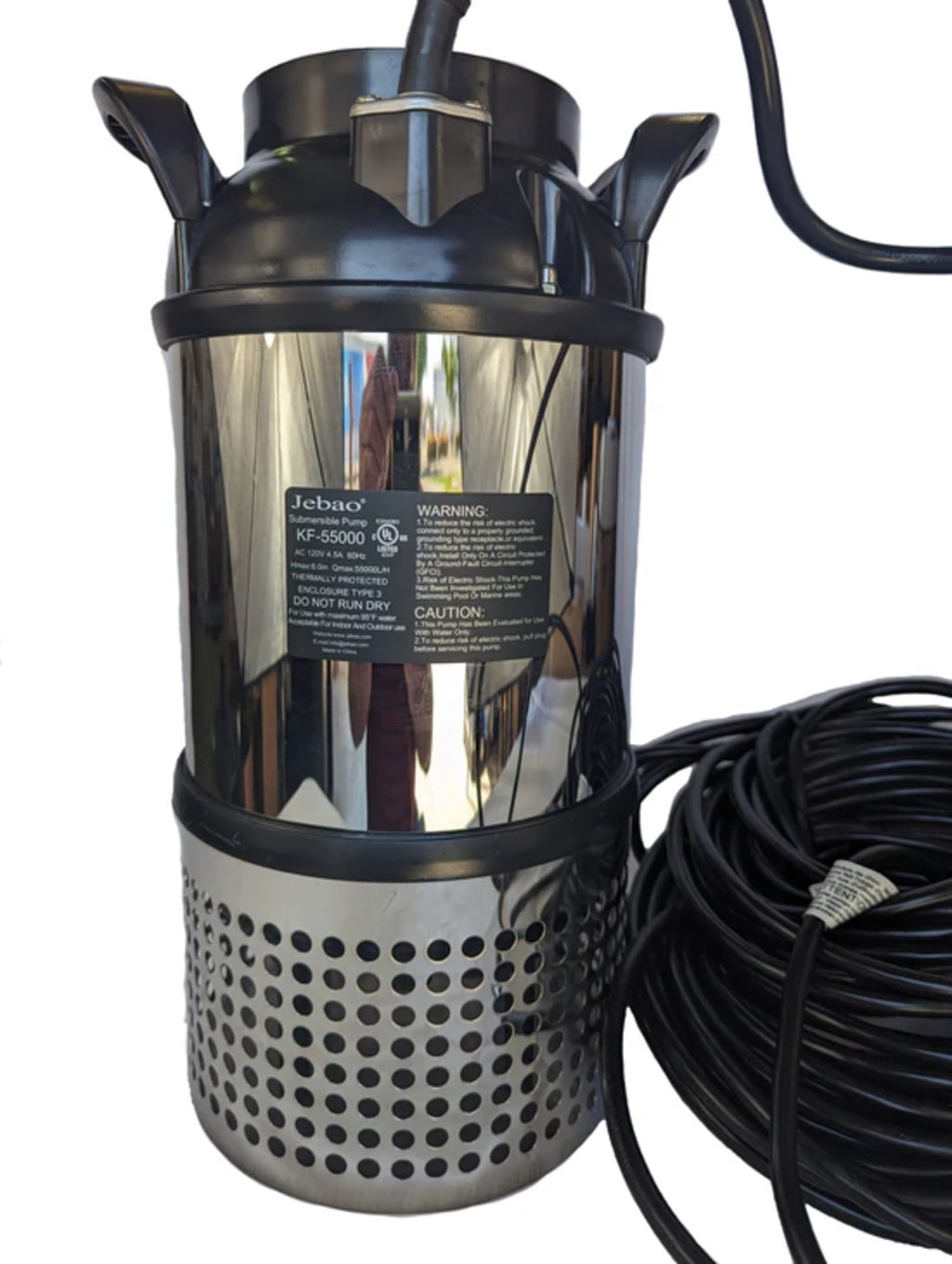
Recreational lakes serve as beloved community gathering spots, offering opportunities for swimming, fishing, and boating. Yet these treasured water bodies frequently face challenges from harmful algal blooms (HABs) that can transform clear waters into toxic, murky environments. These problematic growths occur when excess nutrients combine with warm temperatures and stagnant water conditions. Understanding the relationship between water circulation and algal control helps lake managers implement effective solutions.
Those looking to pond fountains should consider the vital role these systems play in maintaining healthy water ecosystems. When strategically placed, pond pumps create movement in otherwise static water bodies, disrupting conditions that algae require to thrive. This mechanical intervention mimics natural water circulation patterns seen in flowing streams and rivers, where harmful algal blooms rarely develop due to constant movement and oxygenation. The investment in proper circulation equipment often prevents costly remediation efforts later.
Why Blooms Take Over So Quickly
Most folks don't realize that harmful algal blooms aren't really algae at all. They're actually cyanobacteria – microscopic organisms that explode in population when conditions line up just right. Fertilizer from nearby lawns washes in during heavy rain. Septic systems leak. Agricultural runoff dumps nitrogen and phosphorus into the water. Add some hot, sunny days and – bam – perfect algae weather.
The worst part? Once they get going, these blooms feed themselves. Dead algae cells sink and decompose, releasing more nutrients while sucking up oxygen. Fish start dying. The water stinks. Property values tank. And that lake everyone loved becomes somewhere to avoid.
Thing is, nature doesn't have this problem in moving water. Rivers rarely suffer massive blooms because they're constantly flowing. This simple observation reveals why water circulation makes such a difference.
What Pond Pumps Actually Do
The humble pond pump creates ripples that cascade into major water quality improvements. Here's the real deal on how these mechanical workhorses fight the good fight:
Messing Up Algae's Perfect Day
Algae cells are actually pretty sophisticated. They float up and down to find the sweet spot where sunlight is perfect. Without a pump creating water movement, they position themselves precisely where they want to be, soaking up rays like teenagers at the beach. A good circulation system ruins their day by constantly shuffling the deck. The current forces them to waste energy just staying in place instead of multiplying like crazy.
Some mornings, you'll notice blooms concentrated in sheltered coves where the wind can't reach. That's not coincidence – it's exactly where circulation matters most.
Oxygen: The Unsung Hero
Ever turned over a rock in a pond and seen that gross black mud underneath? That's what happens without oxygen – anaerobic decomposition that stinks and creates perfect conditions for harmful bacteria. Pond pumps splash water around, mixing atmospheric oxygen into depths that would otherwise become dead zones.
Tests often show oxygen levels in stagnant areas below 2 mg/L – barely enough for fish to survive. After installing circulation equipment, those same spots might jump to 7-8 mg/L. The difference isn't just numbers on a meter – it's life or death for everything from tiny invertebrates to prized gamefish.
Breaking Up Temperature Layers
Lakes naturally form layers in summer – warm water sits on top, refusing to mix with colder, denser water below. Great for swimming, terrible for water quality. These temperature barriers (thermoclines) trap nutrients where algae can access them easily.
A strategically placed pump breaks through these invisible barriers, mixing the water column just enough to prevent stratification without disturbing sediment. Lake managers sometimes call this the "Goldilocks zone" of circulation – not too much, not too little.
Smart Placement Makes All the Difference
Throwing a pump into any old spot won't solve the problem. The smartest lake owners analyze circulation patterns before installation. Those stagnant corners where debris collects? Prime spots for circulation equipment. The sunny, shallow bay where blooms always start? Definitely needs movement.
For bigger lakes, multiple smaller pumps beat one monster unit every time. They create intersecting patterns of flow that eliminate dead zones where algae establish beachheads before invading the main water body.
Depth matters too. Surface-only circulation misses half the battle. Systems that pull water vertically address the critical bottom layer where nutrients concentrate. Old-timers might remember lake "turnover" events when bottom water suddenly rose, bringing rotten-egg smells and fish kills. Good circulation prevents these dramatic flips by gradually mixing instead.
Get the Timing Right or Waste Your Money
Too many folks wait until they see green slime before thinking about circulation. By then, it's like trying to stop a forest fire with a garden hose. The secret? Start pumps early – ideally before water temperatures hit 60°F in spring. Preventing blooms beats fighting established ones every single time.
Summer demands consistent operation. Shutting down pumps for even a few days during August heat waves can trigger blooms. That's why serious lake managers invest in backup power systems – they've learned the hard way what happens during extended outages.
And contrary to what you might think, fall circulation matters almost as much as summer. It's preparation season, when proper mixing prevents the accumulation of organic gunk that'll fuel next year's algae explosion.
What Pumps Can't Fix Alone
Let's be real – circulation helps tremendously, but it's not magic. If the watershed keeps dumping nutrients into the water, you're fighting a losing battle. The smartest approach combines circulation with:
- Shoreline buffer zones that filter runoff
- Reduced fertilizer use in the watershed
- Regular testing to catch problems early
- Educated property owners who understand their impact
Some lakes face such severe nutrient loading that additional treatments become necessary alongside circulation. The difference? With good pump systems running, those treatments work better and last longer.
Even with perfect circulation, expect occasional setbacks. Weather extremes, unexpected nutrient inputs, or equipment hiccups can still trigger smaller blooms. The goal isn't perfection – it's resilience.
Beyond Just Stopping the Green Stuff
People focused on fighting algae sometimes miss the bigger picture. A well-circulated lake doesn't just avoid problems – it actively thrives. Fishing improves dramatically when oxygen reaches previously dead zones. Wildlife returns. Swimming becomes more pleasant without that layer of muck on the bottom.
Property values reflect these improvements. Realtors know the difference between "lakefront property on crystal-clear Smith Lake" versus "home on algae-prone Johnson Pond." The investment in quality circulation equipment often returns multiples in property value preservation.
Energy costs worry some folks, but modern circulation systems use surprisingly little electricity compared to the benefits they deliver. Variable-speed technology adjusts power consumption based on conditions, running harder when algae risk increases and throttling back during favorable periods.
Wrapping It Up
Fighting harmful algal blooms isn't just about aesthetics – it's about protecting valuable water resources that, once degraded, take years to recover. Circulation systems powered by quality pond pumps represent the front-line defense, creating conditions where problem algae simply can't get a foothold.
The lakes that stay clearest longest share common traits: proactive management, consistent circulation, and communities that understand watershed connections. When property owners recognize that preventing blooms costs far less than addressing established ones, the investment in proper water movement becomes obvious.
For anyone who's experienced the disappointment of canceled lake plans due to toxic blooms, or watched property values suffer from recurring water quality issues, circulation provides a proven path forward. The difference between stagnant, bloom-prone waters and vibrant, resilient aquatic ecosystems often comes down to this simple principle: keep the water moving.
About the Creator
Keep reading
More stories from Shane Debois and writers in FYI and other communities.
5 Critical Steps to Take After an Auto Collision: Legal Considerations Explained
The jarring crunch of metal, the sudden stop, the disorienting moment when you realize – you've just been in a car accident. Your heart pounds. Your hands shake. And in that moment of shock, you're somehow expected to make smart decisions that might affect you for years to come.
By Shane Debois9 months ago in FYI




Comments
There are no comments for this story
Be the first to respond and start the conversation.