
How to Handle Common Toilet Repairs with Ease
Practical steps to stop leaks, clear clogs, and restore quiet.
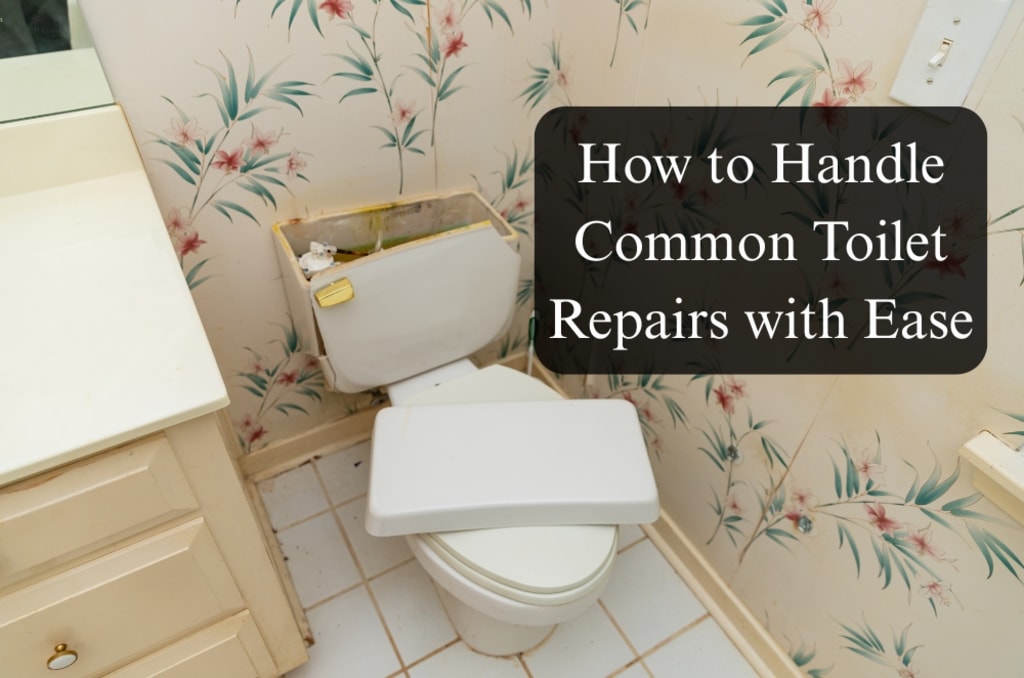
A noisy cistern at midnight. A slow, creeping puddle around the base. A handle that feels spongy. Toilet trouble rarely arrives with fanfare, but it does demand calm, step-by-step thinking and a willingness to pause before you poke at parts. In homes where time and water both matter, booking toilet repair services early can stop a small nuisance from turning into a recurring leak that quietly lifts bills. This guide walks through practical checks, simple fixes, and the moments when calling a licensed professional is the safer path. I’ll share the exact playbook I use at home—right down to the parts I double-check before lifting a lid—so your bathroom gets back to quiet, quickly.
Why toilets fail in the first place?
Small faults add up and show themselves at the worst time. Understanding the usual suspects helps you choose the right fix without guesswork.
- Worn seals: Rubber around the flush valve or inlet perishes, causing slow, silent leaks into the bowl, and it often worsens after hot showers or heavy use.
- Imbalanced float: A mis-set float keeps the fill valve feeding, so the cistern never quite rests, which wastes water and keeps the overflow on a hair trigger.
- Mineral build-up: Hard water leaves scale on valves and jets, reducing flow and creating uneven flushing, making the flush feel weak until deposits are scrubbed away.
- Loose fixings: Tank bolts, pan screws, or the supply connector can loosen and weep under pressure, then dry unnoticed, leaving faint mineral marks around fittings.
Most faults come from parts designed to be replaced rather than repaired, which keeps costs predictable. Keep a kit on hand—washers, a fill valve, and a flapper—so you’re not stuck mid-job waiting for parts.
Quick checks before you reach for tools
A few minutes of observation can save an hour of rework. Start with quiet listening, then move to paper towels for tell-tale moisture.
- Food colouring test: A few drops in the cistern should stay put; colour in the bowl means a tired flapper, and if colour appears quickly, the leak is usually significant.
- Float height: Water should sit a little below the overflow; too high and you’ll hear constant trickling, so adjust in small steps and give the system time to settle.
- Shut-off valve: The stop tap should turn smoothly; stiffness hints at neglect or mineral build-up, because a sticky tap can snap a stem when forced.
- Base stability: A rocking pan stresses seals; movement suggests loose bolts or a failing wax or rubber ring, and if the pan moves, stop before cracks or floor damage appear.
If anything looks unsafe, stop and reassess. For regulated tasks and safe practice, rules for plumbers and drainers set the baseline for what belongs with a licensed professional versus confident DIY.
Fixes you can try without making things worse
These are low-risk, high-return steps that fix everyday complaints. They rely on accessible parts and gentle adjustments.
- Replace the flapper: Turn off the water, drain the cistern, unclip the old flapper, and fit a like-for-like model. Choose a flapper matched to the cistern style, not just size.
- Set the float: Adjust the screw or clip so the water line sits just below the overflow; retest for trickling, and listen closely for the soft hiss that signals overfill.
- Clean the fill valve: Remove the cap, rinse grit from the seal, and reassemble carefully to restore smooth filling, and check the small screen or washer for hidden grit.
- Tighten supply connector: Hand-snug first, then a quarter-turn with a spanner; overtightening crushes washers, and use a towel under the connector to spot fresh droplets.
Last winter, I chased a “phantom flush” that woke the house hourly; the culprit was grit in the fill valve seal. A quick rinse and a new seal restored quiet—proof that a stress-free plumbing service mindset of patience and tidy steps often beats force.
When to call a licensed expert?
Some symptoms point to bigger risks behind the porcelain. Water damage hides in floors, and blockages can push waste the wrong way.
- Persistent rocking: Movement after bolt tightening suggests subfloor issues or a failed pan collar, and in older bathrooms, it can expose rotten flooring or loose noggins.
- Brown stains on the ceiling below: Discolouration under the bathroom hints at a leaking waste or supply line, and stains that keep growing point to an active leak, not a past spill.
- Multiple fixtures gurgling: Cross-talk between drains signals a main line problem, not a single toilet fault, and the sound often arrives after nearby fixtures drain.
- Overflow after normal flush: If plunging only helps briefly, there may be a deeper blockage or venting issue, and repeated clogs might indicate tree roots or collapsed pipework.
A careful technician will test methodically, document findings, and stand behind the work. A clear overview of common warning signs is captured by essential toilet repairs and helps frame the conversation.
Simple tools that make repairs easier
A modest kit turns chaos into a tidy fix. Build it once and you’ll move calmly when a seal fails or a float slips.
- Adjustable spanner: Fits most connectors without chewing soft fittings or rounding flats, and it gives you fine control without chewing soft brass or plastic.
- Multi-bit screwdriver: Handles cistern lids, seat hinges, and valve caps with fewer trips to the shed, and a compact set saves space while covering most fasteners.
- Plunger and auger: Clears simple clogs and helps confirm whether the blockage sits beyond the trap, and a short, flexible auger is easier to steer in tight bathrooms.
- Torch and towels: Reveals weeping joints and protects floors while you test and retest connections, and bright, hands-free light makes slow seepage easier to confirm.
Label the box and restock after each job so it’s ready. The aim is confidence, not speed, and the right tool cuts risk.
A calm, long-term plan for your bathroom
Consistency keeps bathrooms boring—in the best way. Start with a seasonal routine: a spring check of shut-off valves, a winter look at seals, and a quiet listen after each flush for trickling. Watch water bills; an unexplained rise often hints at a leak too faint to hear. Keep a labelled kit with a quality flapper, a spare fill-valve seal, mixed washers, and thread tape so small faults don’t become weekend sagas. Match parts to your fixture rather than buying on impulse; measure, take photos, and bring the old piece when you shop. Learn the feel of the handle and the usual waterline, and treat small changes as early warnings. Observe first, act second, and escalate only when the signs warrant it; that steady rhythm keeps the bathroom quiet, clean, and dependable.
About the Creator
Keep reading
More stories from Aspen Pluma and writers in FYI and other communities.
The Importance of Regular Plumbing Inspections
Water finds the tiniest path. It wicks through timber, darkens plaster, and hides under insulation where you won’t notice until a faint stain blooms. Regular plumbing inspections push back against that quiet creep by catching small faults before they snowball. Roof lines matter, but so do the pipes that cross ceilings and walls, the seals around wet areas, and the pressure that beats on fittings every day. In that context, the perspective of a leaking roof specialist sits naturally beside broader plumbing checks, because moisture rarely respects boundaries once it finds a slope and a gap.
By Aspen Pluma4 months ago in FYI
A Failed Artist, A Disillusioned Poet, An Underpaid Game Show Host
I took my son and niece to Gori, a small town in Georgia where Joseph Stalin was born. They talked me into visiting the Stalin's Museum, the largest in the post-Soviet space. I had resisted going there because I just can't stand the monster and know enough about him, or so I thought.
By Lana V Lynx20 days ago in FYI
Russians Supplied with Chinese Radio Modems for Geran-5 Kamikaze Drones
In a development that has raised eyebrows in military and strategic circles, reports indicate that Russian forces are now being supplied with Chinese-made radio modems to enhance the capabilities of their Geran-5 kamikaze drones. The move represents a significant technological boost for Russia’s unmanned aerial operations and highlights the increasingly complex web of international military cooperation—even in conflicts already under intense global scrutiny.
By Fiaz Ahmed 3 days ago in FYI


Comments
There are no comments for this story
Be the first to respond and start the conversation.