
How Sports Massage Supports Recovery, Flexibility, and Injury Prevention
Sports massage supports muscle recovery, improves flexibility, and helps prevent injuries by reducing tension and restoring movement.

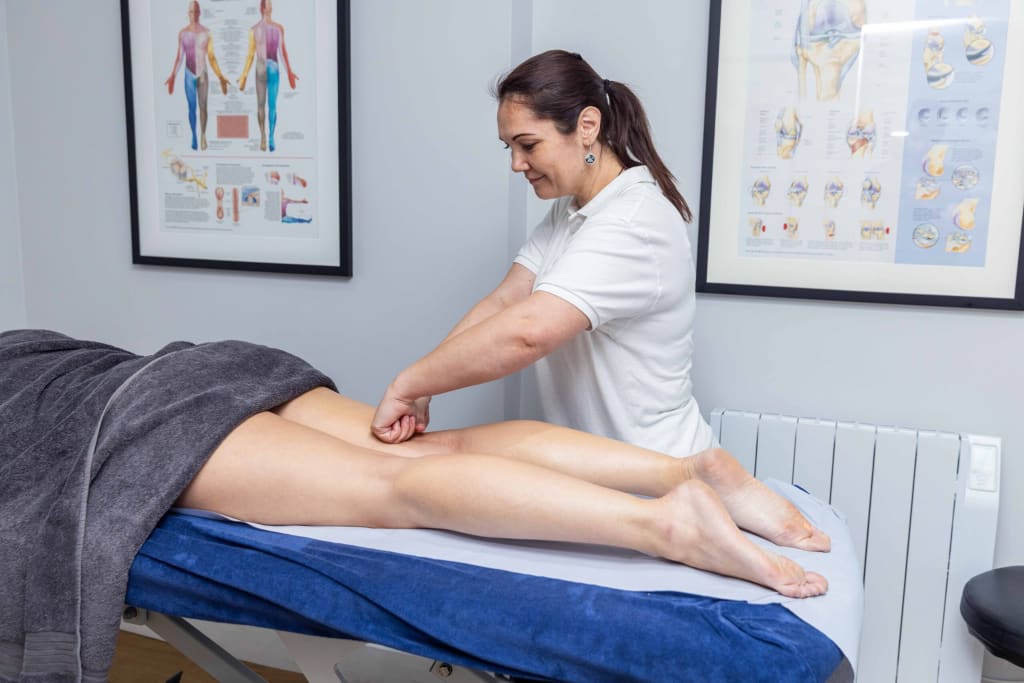
Sports massage is often linked to professional athletes, but its benefits reach far beyond competitive sports. Anyone who exercises regularly, performs physically demanding work, or experiences muscle stiffness from daily routines can benefit from this targeted therapy. By supporting recovery, improving flexibility, and reducing injury risk, sports massage plays an important role in maintaining long-term physical health.
As active lifestyles become more common, recovery is no longer optional—it is essential. Sports massage helps the body adapt to physical stress and promotes consistent movement without discomfort.
Understanding Sports Massage
Sports massage is a therapeutic treatment focused on muscles, tendons, and connective tissues affected by physical activity. Unlike relaxation massage, it is structured and purpose-driven. The techniques used are designed to reduce muscle tension, correct imbalances, and restore proper movement patterns.
Each session is tailored to the individual’s activity level, physical condition, and specific problem areas. This makes sports massage suitable for athletes, fitness enthusiasts, and people who experience muscle strain through work or everyday activities.
Supporting Muscle Recovery
After physical exertion, muscles undergo microscopic damage that leads to inflammation and soreness, often referred to as delayed onset muscle soreness (DOMS). Sports massage helps reduce this discomfort by improving circulation and easing tight muscle fibers.
Enhanced blood flow allows oxygen and nutrients to reach recovering tissues while helping remove metabolic waste. This supports faster healing and reduces stiffness, allowing the body to recover more efficiently between workouts or physically demanding tasks.
Improving Flexibility and Mobility
Restricted muscles and tight connective tissue can limit flexibility and affect movement quality. Sports massage helps release tension within muscles and the surrounding fascia, restoring natural mobility.
Techniques such as stretching and myofascial release encourage muscles to lengthen and joints to move more freely. Improved flexibility not only benefits athletic performance but also reduces strain during daily activities, especially for individuals who sit for extended periods or perform repetitive movements.
Injury Prevention Through Balance
One of the key advantages of sports massage is its role in injury prevention. Muscle tightness, poor alignment, and imbalances can place excess stress on joints and tendons, increasing the risk of strains and overuse injuries.
Regular sports massage helps identify areas of tension before they become problematic. By keeping muscles balanced and flexible, it supports proper movement patterns and reduces the likelihood of injury during exercise or routine physical activity.
Common Techniques Used
Sports massage incorporates a range of techniques depending on individual needs. Deep pressure may be applied to address chronic tension, while targeted work focuses on tight areas within muscles. Stretching and compression are often used to improve circulation and enhance muscle elasticity.
These methods work together to support recovery, mobility, and overall comfort.
Who Can Benefit from Sports Massage?
Sports massage is beneficial for many different individuals, including:
- Athletes seeking improved recovery and performance
- Gym-goers managing muscle soreness
- Runners and cyclists preventing overuse injuries
- Manual laborers experiencing physical fatigue
- Office workers dealing with posture-related stiffness
Anyone who experiences muscle tension or physical stress can benefit from regular sports massage sessions.
What to Expect from a Session?
A typical sports massage session lasts between 45 and 90 minutes. Before the session begins, the therapist discusses activity levels, areas of discomfort, and treatment goals. Pressure is adjusted to ensure the massage is effective without causing unnecessary discomfort.
Mild soreness may occur after a session, but usually fades within one to two days, leaving muscles feeling looser and more relaxed.
Final Thoughts
Sports massage therapy is a valuable tool for maintaining physical health, regardless of fitness level. Supporting muscle recovery, improving flexibility, and helping prevent injuries, it allows the body to move more efficiently and comfortably. Incorporating sports massage into a regular wellness routine can lead to better mobility, reduced pain, and long-term physical resilience.
About the Creator
Revivers Home Spa
Welcome to Revivers Home Spa, your trusted home massage service in Dubai! We bring relaxation straight to the comfort of your home.
Keep reading
More stories from Revivers Home Spa and writers in FYI and other communities.
The Science Behind Cupping: Why This Ancient Therapy Still Works Today
Cupping therapy is often seen as an ancient wellness ritual, but there’s a good reason it has survived for thousands of years and continues to gain popularity today. From athletes to office workers and people dealing with chronic pain, many rely on cupping as a natural, non-invasive way to reduce discomfort and support recovery. While the technique itself is simple, the science behind why cupping works is surprisingly fascinating. Understanding how it affects your muscles, circulation, and overall well-being can help you decide whether it’s the right therapy for you.
By Revivers Home Spaabout a month ago in FYI


Comments
There are no comments for this story
Be the first to respond and start the conversation.