
How Physical Toll Affects Mental Health: 7 Clear Signs
Uncovering the Body–Mind Connection

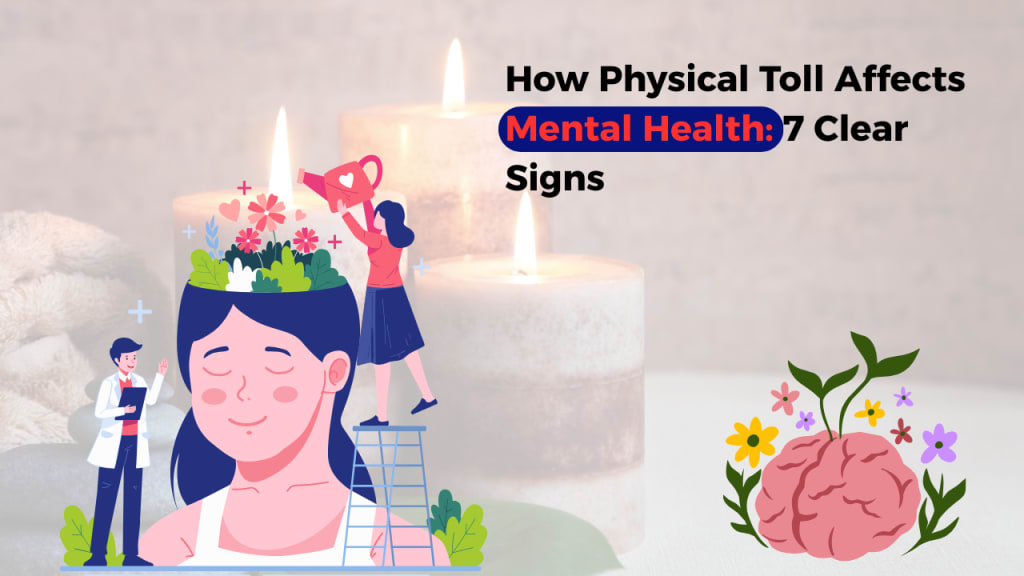
We often think of our body and mind as two separate worlds-like parallel tracks running side by side. But the truth is, they constantly shape one another. When the body begins to wear down, the mind doesn’t just sit quietly in the corner. It reacts, it struggles, and sometimes it cries out for help in ways we don’t always notice at first.
I remember during one particularly stressful project, my back pain became unbearable. I brushed it off, blaming the chair or my posture. But the reality? The physical exhaustion was feeding into my anxiety. The more my body hurt, the more irritable and restless I felt. That’s when it hit me-your body whispers before it screams, and your mind often takes the brunt of that silence.
Here are seven clear signs that physical strain is quietly affecting your mental well-being.
1. Constant Fatigue Feels Like Emotional Fog
When your body never fully recovers, your mind can feel like it’s swimming in molasses. Sleep deprivation or ongoing fatigue doesn’t just slow your steps-it clouds your decision-making, fuels irritation, and magnifies stress. Studies from the National Sleep Foundation show that people with chronic sleep issues are five times more likely to experience depression.
2. Chronic Pain Amplifies Stress
Living with pain, whether it’s backaches, migraines, or joint stiffness, doesn’t just stay in the body. It creeps into your mood. Chronic pain can lower frustration tolerance, heighten anxiety, and even contribute to social withdrawal. Think about it-when every step hurts, how do you find joy in the simple things?
3. Weakened Immunity and Emotional Drain
Frequent colds, constant infections, or slow healing can be more than just “bad luck.” A weakened immune system often signals long-term stress or exhaustion. And when your body is fighting just to stay afloat, your mental resilience thins out too. I’ve been there-it’s hard to stay positive when you’re sick more often than you’re well.
4. Sleep Problems Start Taking Over
Poor physical health often shows up in restless nights. Insomnia or disrupted sleep can be a vicious cycle: stress affects your body, your body resists rest, and your mind spirals into overthinking. Harvard Medical School reports that nearly 65% of people with insomnia also struggle with mental health conditions like anxiety or depression.
5. Appetite Changes Reveal Emotional Weight
Notice sudden shifts in your appetite? Overeating when tired or skipping meals because of low energy are not just “bad habits.” They’re signals. Your body and mind are communicating distress. Emotional eating and loss of appetite are both deeply tied to stress hormones like cortisol.
6. Muscle Tension Mirrors Mental Strain
Tight shoulders, clenched jaws, stiff neck-these aren’t just signs of sitting wrong. They’re your body is reflecting mental strain. Prolonged physical tension often creates a feedback loop with anxiety. What starts in the body echoes in the mind, and before you know it, relaxation feels impossible.
7. Reduced Motivation and Joy
This is perhaps the clearest sign. When the physical toll is high, even the things that once made you happy lose their spark. A favorite hobby, a walk outside, or catching up with friends may start to feel like chores. That dullness is your body’s exhaustion draining your emotional energy.
Why Recognizing These Signs Matters
When the body aches, the mind speaks. Ignoring one means hurting the other. The World Health Organization estimates that over 25% of adults worldwide experience both physical and mental health conditions simultaneously-a reminder that wellness is never just physical or just mental.
And here’s the part many of us miss: acknowledging these signs is not weakness-it’s strength. It’s saying, I see what my body is telling me, and I won’t push it aside anymore.
A Reflection to Carry Forward
If you’ve felt any of these signs, you’re not alone. I’ve been there, and many others have too. The path to healing begins with awareness. Start small-rest a little more, breathe a little deeper, move your body kindly, and seek support when needed. Our health is not two separate battles; it’s one journey where body and mind walk hand in hand.
And for professionals working to guide others, it’s vital to deepen knowledge and skills in recognizing how physical and mental health intertwine. That’s why ongoing education, such as KAP for mental health professionals, can make a lasting difference.
About the Creator
Adrienne D. Mullins
Driven by a deep passion for health and wellness, I specialize in holistic therapies that nurture both the mind and body. My mission is to guide individuals toward balance, healing, and sustainable well-being.
Keep reading
More stories from Adrienne D. Mullins and writers in FYI and other communities.
Healing Winter Challenges with Ketamine Therapy
Every year, as the days shorten and the air grows sharper, I find myself bracing not just against the cold, but against something heavier-something that lingers in the silence of long nights. Winter can be breathtakingly beautiful, but let’s face it, for many of us, it’s also emotionally taxing.
By Adrienne D. Mullins5 months ago in FYI
Smart phones, Humans and Aliens.
WARNING. I will be tapping into one of your favorite creative tensions: The absurdity of humans worshipping their glowing rectangles as if they were tiny oracles. There’s something deliciously poetic about that contradiction, and it lends itself beautifully to an instructive proviso.
By Novel Allen6 days ago in Poets


Comments
There are no comments for this story
Be the first to respond and start the conversation.