
How muscular can humans actually become?
How muscular can a human being get?
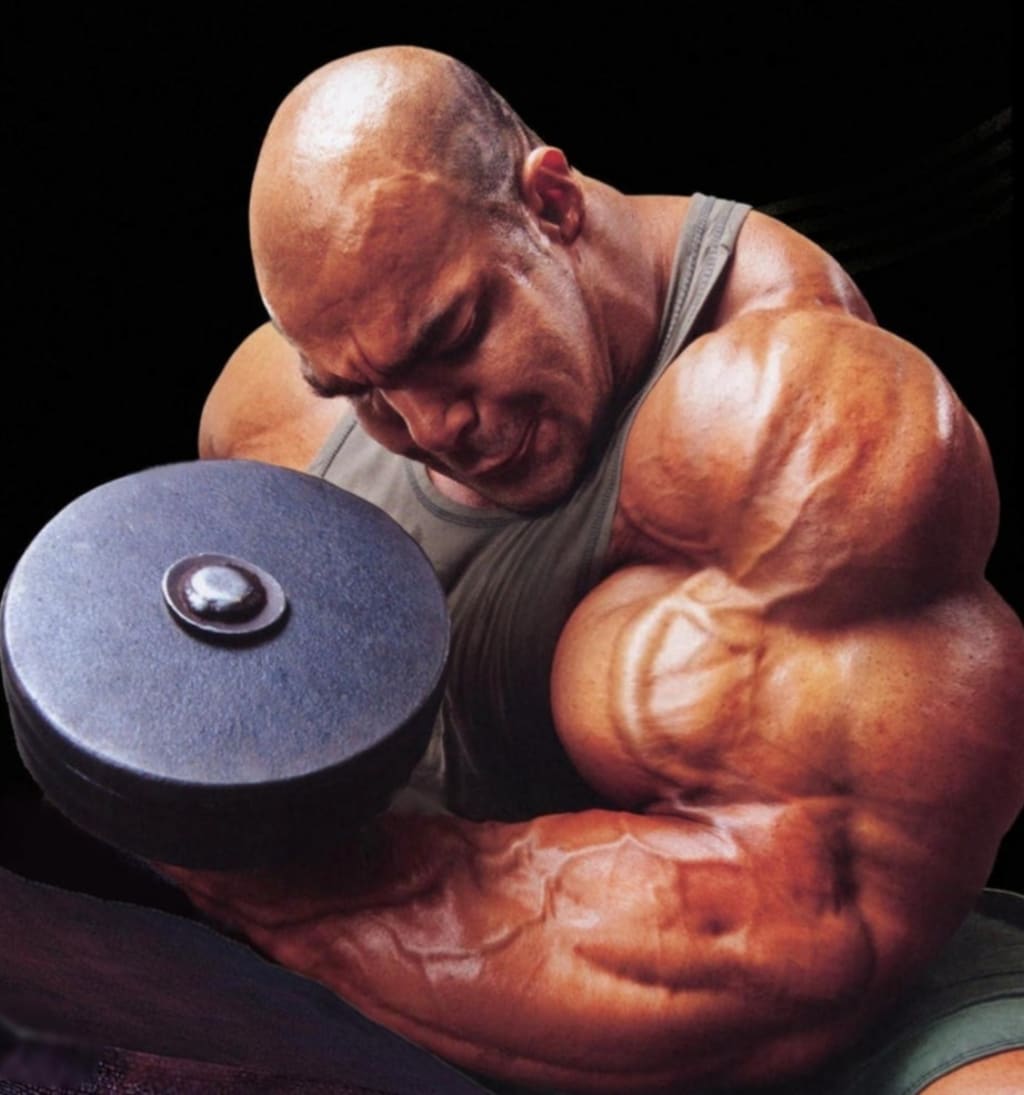
The human body is a marvel of biological engineering, capable of incredible feats of strength and endurance. But just how muscular can humans become? This question has fascinated scientists, athletes, and fitness enthusiasts for decades. To understand the limits of human muscularity, we need to explore the factors that influence muscle growth, the role of genetics, and the historical context of human strength.
The Science of Muscle Growth
Muscle growth, or hypertrophy, occurs when muscle fibers increase in size. This process is primarily driven by resistance training, which causes microscopic damage to muscle fibers. The body repairs this damage by fusing muscle fibers together, increasing their mass and size. Several factors influence this process:
Training Intensity and Volume:
The intensity and volume of resistance training are crucial. Higher intensity and volume lead to greater muscle damage and, consequently, more significant muscle growth.
Nutrition:
Adequate protein intake is essential for muscle repair and growth. Carbohydrates and fats also play a role in providing the energy needed for intense workouts.
Rest and Recovery:
Muscles need time to repair and grow. Overtraining can hinder muscle growth and increase the risk of injury.
Hormones:
Hormones like testosterone and growth hormone play a significant role in muscle growth. Men typically have higher levels of these hormones, which is why they tend to gain muscle more easily than women.
Genetic Potential
Genetics play a crucial role in determining how muscular an individual can become. Some people are genetically predisposed to gain muscle more easily than others. This genetic potential is influenced by factors such as:
Muscle Fiber Type:
There are two main types of muscle fibers: slow-twitch (Type I) and fast-twitch (Type II). Fast-twitch fibers are more prone to hypertrophy. Individuals with a higher proportion of fast-twitch fibers may find it easier to gain muscle mass.
Myostatin Levels:
Myostatin is a protein that inhibits muscle growth. People with lower levels of myostatin tend to have greater muscle mass. Some rare genetic mutations can lead to extremely low myostatin levels, resulting in exceptional muscularity.
Bone Structure:
A larger bone structure can support more muscle mass. This is why individuals with broader frames often have an advantage in muscle-building.
Historical Context: Ancient vs. Modern Humans
To understand the limits of human muscularity, it is helpful to look at our ancestors. Ancient humans, such as Neanderthals, were incredibly strong and muscular. They needed this strength for survival, as they hunted large animals and performed physically demanding tasks daily. Modern humans, on the other hand, have evolved to prioritize endurance over sheer strength. This shift is reflected in our muscle composition and overall physique.
Studies comparing modern athletes to ancient humans suggest that our ancestors were not only strong but also highly skilled in using their strength for practical purposes. For example, Neanderthals could throw spears with remarkable accuracy and force, a skill that required both strength and coordination.
The Limits of Natural Muscle Growth
While the human body has impressive potential for muscle growth, there are natural limits. Most men can naturally gain 40 to 50 pounds of muscle in their lifetimes, while women can gain 20 to 25 pounds. These limits are influenced by factors such as:
Genetics:
As mentioned earlier, genetics play a significant role in determining muscle growth potential.
Training Consistency:
Consistent, progressive resistance training is essential for maximizing muscle growth.
Diet and Nutrition:
Adequate protein intake and overall nutrition are critical for muscle repair and growth.
Age:
Muscle growth potential decreases with age. Younger individuals tend to gain muscle more easily than older adults.
The Role of Steroids and Supplements
While natural muscle growth has its limits, some individuals turn to anabolic steroids and other performance-enhancing drugs to push beyond these boundaries. Steroids can significantly increase muscle mass and strength, but they come with serious health risks, including liver damage, cardiovascular issues, and hormonal imbalances.
Supplements, on the other hand, can support muscle growth without the severe risks associated with steroids. Protein powders, creatine, and branched-chain amino acids (BCAAs) are popular among athletes and bodybuilders. These supplements can enhance muscle repair and growth when combined with proper training and nutrition.
The Future of Muscle Growth
Advancements in genetic research and biotechnology may one day allow us to unlock new levels of muscularity. For example, gene editing techniques like CRISPR could potentially be used to modify myostatin levels, enhancing muscle growth. However, these technologies are still in their infancy and come with ethical and safety concerns.
Conclusion
In conclusion, the human body has remarkable potential for muscle growth, but this potential is influenced by a complex interplay of genetics, training, nutrition, and other factors. While natural limits exist, advancements in science and technology may one day allow us to push these boundaries even further. For now, achieving peak muscularity requires dedication, consistency, and a deep understanding of the factors that drive muscle growth.
W hat do you think? Share your opinion in the comments and don't forget to like the article and subscribe for more.
About the Creator
M. R.
Just a random guy with a lot of interests, including writing and experimenting with AI.


Comments
There are no comments for this story
Be the first to respond and start the conversation.