
How Much Of What You Feed Kids Is Poison
As one of the richest countries in the world, our FDA is not doing enough to protect us from what's introduced into our food supplies.


Be careful when you’re shopping for food. When it comes to some things, you might as well be sucking on the end of an exhaust pipe.
Other countries, such as the United States, are doing much better with regard to food. It’s becoming more apparent that our legislators have neglected a key part of our lives—what we put into our bodies. Do you know what you’re eating?
While spending some time with my grandson, he had a sore throat. There’s a bug going around. Whether it’s the flu or COVID, I can’t say. But the old standby seemed to make sense. Something cold for that sore throat.
So, I offered him an “ice cream” bar. He enjoyed it. What kid wouldn’t?
When he couldn’t finish it he set it on a paper plate I put out for him. Then, he went about playing with some of his newer Christmas gifts. While I was caught up watching him and his dad play with Pokemon toys, I looked down and realized two things.
One, it had been over 30 minutes since he started playing. It’s easy to get lost in time. The second thing I noticed was that the ice cream bar he was eating hadn’t melted.
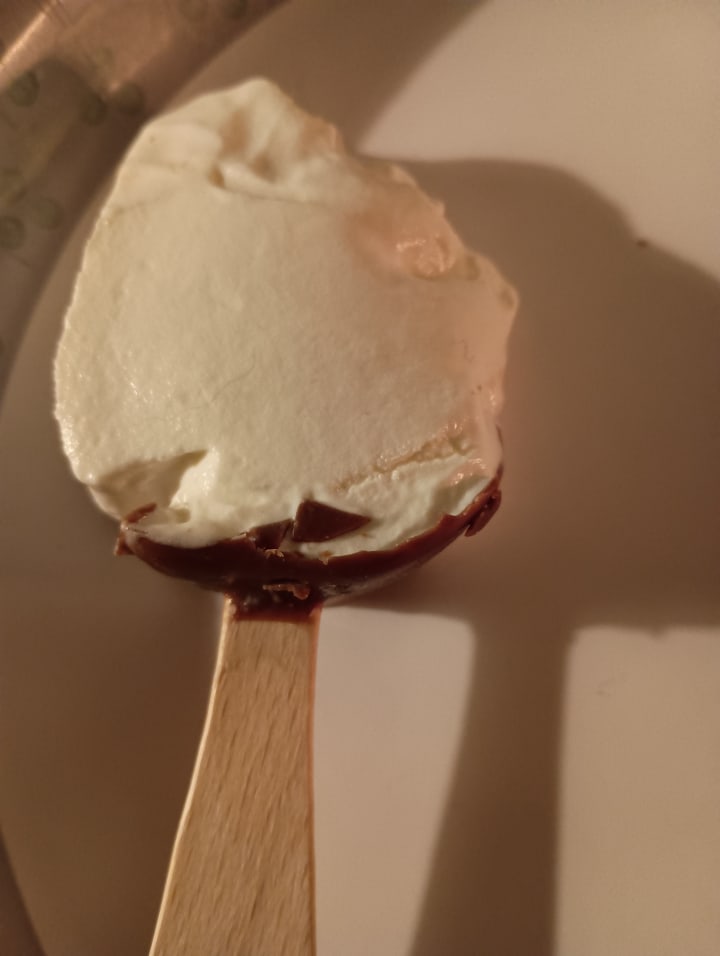
Packaging can be deceiving. What looks like an ice cream treat may or may not be an ice cream treat. That’s because we’ve come a long way in allowing companies to do whatever they want with the products we put in our bodies. We know this wasn’t because ice cream melts, loses its shape, and becomes liquid.
What other things aren’t what we think they are?

American Cheese
While the name says American Cheese, it’s not exactly cheese. If you’ve never read the packaging, this is a processed cheese product.
That means it’s made from a blend of cheese, milk fats, emulsifiers, and food colorings. It might melt on burgers and sandwiches, but American Cheese isn’t close to how cheese is typically made.
So, what’s an emulsifier? We find emulsifiers in processed foods. No big deal, right? It’s also used in cleaning agents, and personal hygiene items, and is linked to inflammatory problems, gut health problems, and cancer risks.
Sodium Nitrite and Nitrates

You don’t see it in the sandwich, but there’s a chance it’s there, particularly if you’re enjoying ham, bologna, or a good old hot dog.
Sodium Nitrate or Nitrite are preservatives. They prevent bacteria from growing in meats and fish. They also help maintain the pinkish color longer. This helps in extending shelf life.
What do you find them in? Some bacon, sausages, hotdogs, cured, canned, and packaged meats.
Be cautious! Under the right conditions, these two preservatives react with amino acids and can cause the formation of cancer-causing chemicals like Nitrosamines.

Dyes
Seriously! Even what we allow manufacturers to put in cereals isn’t safe.
Some foods you eat or have seen contain things banned in other countries. If you haven’t heard, Europe has banned the following:
- Red dye 3-food coloring suspected of being a carcinogen
- Titanium dioxide-food coloring that can accumulate and cause genetic damage
- Potassium Bromate-a suspected carcinogen used to help with texture in bread and baked goods
- Propylparaben-a preservative shown to have possible ill effects on fertility and the endocrine system
- Ensure exposure to chemicals in food is safe.
Takeaways
After seeing firsthand what an ice cream bar might look like after an extended period out of the freezer, it opened up questions about what we give to children and what we have been eating.
The FDA undoubtedly knows of the studies that led to many substances being banned in Europe, so why are they still legally used in the United States?
According to the FDA’s website, they:
- The FDA says manufacturers have a responsibility to minimize or prevent hazards from contaminants and ensure the safety of the chemicals they use.
- Under the Human Foods Program, the FDA is leveraging scientific expertise across product areas and developing a more “nimble and systematic approach to evaluating chemicals in the food supply”.
We might want to start doing two things. The first is educating ourselves more on the things we put into our bodies. We obviously can’t trust that multi-billion dollar manufacturers are going to ensure what they’re doing isn’t risky to us, especially since the FDA says they have a responsibility to minimize hazards.
About the Creator
Jason Ray Morton
Writing has become more important as I live with cancer. It's a therapy, it's an escape, and it's a way to do something lasting that hopefully leaves an impression.
Keep reading
More stories from Jason Ray Morton and writers in FYI and other communities.
A Secretive Society Filled With Mystique Was Under Our Noses
Druids: A Secretive Society You see it and don’t recognize the significance — two veritable strangers exchanging a knowing glance. Or it could be a handshake that lingers on longer than it should. Those are signs of secret fellowship shared. We encounter them every day. When people see them, we are left to ponder their significance.
By Jason Ray Morton about a year ago in FYI
Post-Brexit Customs Compliance: A 2026 Guide for UK Importers and Exporters
Five years on from Brexit, UK businesses face a customs environment that continues to evolve. While many organisations have successfully adapted to the new normal of customs declarations, tariff classifications, and border controls, 2026 brings fresh developments that demand attention. For importers and exporters navigating this landscape, staying compliant isn't just about avoiding penalties—it's about protecting margins, maintaining supply chain efficiency, and building resilience in an uncertain trading environment.
By Saurav Singh6 days ago in FYI
My New Book is Finally Here
My poetry collection Beautiful and Brutal Things is done. It's actually done and finally published over 270 pages. Over a year of my life went into this book. More than a year, really. Long days at my computer, sometimes seven days a week because I couldn't stop even when I probably should have. Then two months of editing that felt harder than the writing itself. But it's finished, and I'm still standing, and the book is real.
By Tim Carmichaela day ago in BookClub




Comments (1)
It’s scary to think about how much trust we’ve given them already. Great article saga advice