
How Moroccan Tiles Became a Global Design Phenomenon
A Journey Through Time, Color, and Craftsmanship

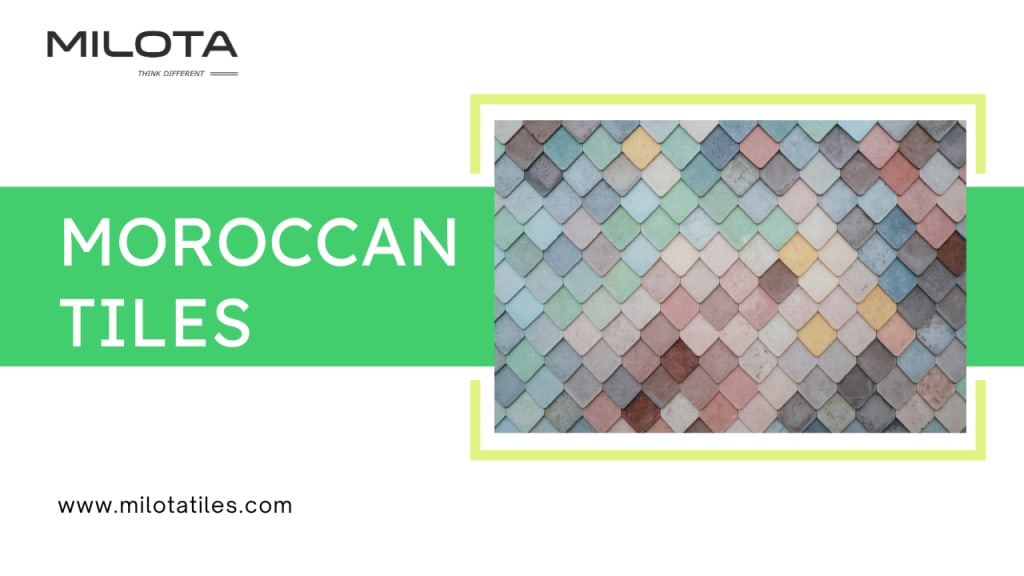
For centuries, Moroccan Tiles have captured the world’s imagination with their vibrant hues, intricate patterns, and artisan craftsmanship. Today, these tiles aren’t just decorative accents—they’re a full-blown design movement. Whether adorning a luxury kitchen backsplash, a boutique hotel lobby, or an outdoor courtyard, moroccan floor tiles and moroccan zellige tiles continue to reign as iconic style statements. But how did this regional craft evolve into a global phenomenon? Let’s trace the journey.
1. An Ancient Art with Deep Roots
The story of Moroccan tile-making stretches back over a millennium. The tradition began with tiny, handcrafted glazed clay pieces, meticulously cut and set into mesmerizing geometric mosaics. Known locally as zellige, this art form thrived in cities like Fez, Meknès, and Marrakech. It was deeply influenced by the region’s Islamic architectural traditions—where abstraction and geometry are central—and artisans passed their expertise from one generation to the next.
- Intricate patterns: Artisans would assemble thousands of carefully shaped tiles to form mesmerizing stars, arabesques, and polygonal designs.
- Rich glazing techniques: Utilizing natural minerals, they achieved vibrant colors—deep blue cobalt, emerald green, saffron yellow—sealed within a glossy glaze that endures for centuries.
These methods created not just flooring or wall coverings—but visual storytelling. Murals, fountains, palace rooms… each installation reflected cultural values, regional style and centuries-old craftsmanship.
2. Timeless Beauty Meets Functionality
From the outset, Moroccan Tiles offered more than just ornamental appeal. The natural materials—clay and glaze—provided practical benefits: they regulate interior humidity, reflect light, and resist wear. The cool surface of moroccan floor tiles is another boon in Mediterranean and North African climates, offering relief in scorching summers.
As travelers and traders passed through, they grew enchanted by this balance of function and aesthetics. The tiles’ vibrant surface patterns caught the eye, while their practicality won admiration. By the time of the Grand Tour in the 18th and 19th centuries, Europeans and later Americans began collecting zellige-laden artifacts, bringing fragments and inspiration back home.
3. 20th‑Century Revival & Global Appreciation
Interest in Moroccan craftsmanship deepened in the 20th century—thanks to interior designers, architects, and mid-century modern currents. Figures like Le Corbusier and Mies van der Rohe emphasized pure form; yet others sought culture-rich, human-scale artistry. Enter Moroccan tiles.
- Art Deco influences: In the 1920s and ‘30s, as European and American designers incorporated bold geometric motifs, zellige cultural elements found a natural match.
- Hollywood glamour: Moroccan-themed interiors—stucco walls, tile insets, carved wood ceilings—became symbols of exotic luxury in upscale homes and boutique hotels across California and Florida.
- Ethnic eclecticism: From the 1960s onward, a growing fascination with global handicrafts turned authentic Moroccan materials into coveted design components.
This resurgence wasn’t fleeting. Designers like Martyn Lawrence Bullard and Kelly Wearstler ensured that Moroccan tiles remained fresh, not retro—integrating moroccan zellige tiles into contemporary living rooms, grand foyers, and upscale restaurants worldwide.
4. Styles, Techniques & Tile Types
Modern lovers of Moroccan Tiles now have more options than ever. While classic square tiles remain beloved, contemporary artisans and manufacturers have expanded the selection:
- Classic zellige: Hand‑chiseled clay tiles assembled piece by piece into organic mosaic surfaces—a centuries‑old method with timeless appeal.
- Pressed and patterned tiles: Machine‑made tiles that echo intricate star patterns or floral motifs, offering consistency and easier installation at scale.
- Moroccan floor tiles: Durable, graphic tiles for high‑traffic spaces. These come glazed or matte, traditional or modern in palette.
- Encaustic cement–style tiles: Inspired by Moroccan motifs but made with cement—lighter, affordable, and available in vibrant color blocks.
Regardless of type, what sets these tiles apart is their signature patterns—geometric mosaics, hexagons, stars, quatrefoils—and bold colors that instantly energize a space.
5. Design Adaptability
One reason Moroccan Tiles made their mark globally is their incredible versatility:
- Kitchen backsplashes: Jewel‑tone zellige tiles add color, gloss, and irregular texture—breathing life into neutral cabinetry.
- Bathrooms and showers: Beveled zellige or graphic moroccan floor tiles elevate the everyday into spa‑like retreats.
- Outdoor spaces: From courtyards and fountains to pool decks, the tiles stand up to the elements while adding rich cultural flair.
- Feature walls and fireplaces: Bold patterns demand attention, creating dramatic “wow” moments with ease.
Designers frequently combine tile types—pairing glossy zellige wall tiles with matte floor versions—or mix Moroccan style with mid‑century modern, bohemian, or industrial interiors, proving that tradition and innovation thrive in synergy.
6. Sustainable, Artisan‑Driven Appeal
Today, conscious consumers seek more than aesthetics; they want purpose, provenance and quality. Moroccan zellige tiles and moroccan floor tiles fit the bill beautifully:
- Handcrafted production: Zellige artisans follow centuries-old methods—pugging clay, shaping tiles by hand, glazing them authentically.
- Local economies: Family‑run cooperatives across Fez, Marrakech, and Meknès benefit from international demand.
- Longevity over disposability: High‑quality tiles can outlast a century with proper installation and care—unlike mass‑produced materials.
Brands specializing in Moroccan tile—like Milota Tiles—amplify this narrative of ethical sourcing, combining artisanal skill with global aesthetics and durability.
7. Digital Age & Design Visibility
Several modern trends have turbocharged the popularity of Moroccan tiles:
- Instagram and Pinterest: Hashtags like #moroccantiles generate millions of posts featuring bold, beautifully tiled bathrooms, kitchens, courtyards, and floors.
- DIY and home renovation culture: Accessible pressed tiles and tutorial videos have empowered homeowners to experiment and fall in love firsthand.
- Retail accessibility online: Companies like Milota allow international shipping of both zellige and mass‑produced Moroccan‑inspired tiles, broadening where these styles show up—from Brooklyn lofts to Mumbai apartments.
The more people see Moroccan‑style installations on social media, the more they replicate—feeding a vibrant, international trend cycle.
8. Entering Mainstream and Luxury Markets
At first, Moroccan tiles were niche and artisanal. Today, they’re mainstream, yet still luxury:
- Upscale hotels & hospitality: From boutique riads in Marrakech to cosmopolitan resorts in Miami and Dubai, you’ll find zellige staircases, floors, pools, and spas.
- High‑end residential: Celebrities and design aficionados use Moroccan tiles for bold bathrooms, elaborate entryways, and living‑room focal walls.
- Custom commercial projects: Restaurants, salons, offices, and galleries increasingly incorporate Moroccan‑style walls and floors to convey warmth, craft, and visual intrigue.
9. Challenges and Considerations
While the rise of Moroccan tiles is thrilling, buyers should keep a few things in mind:
Authenticity vs. mass‑made
True moroccan zellige tiles are hand‑made—each tile is slightly irregular. Commodity tiles may imitate but lack the soul of artisanal pieces.
Installation skill
Irregular surfaces require experienced tile contractors. Traditional techniques like butt joining or smalti mortar can’t be rushed.
Sealing and maintenance
Unglazed or matte tiles need proper sealing to avoid staining. Glossy zellige is easier but still benefits from upkeep.
Cost and lead times
Hand‑made imports may come with premium price tags and shipping windows—but they’re investments in craftsmanship and aesthetic capital.
10. A Global Phenomenon Built to Last
From the medinas of Fez and Marrakech to homes and hotels across continents, Moroccan Tiles have transcended their regional roots. Their global rise is propelled by:
- A centuries‑old tradition of craftsmanship
- Striking aesthetics that fuse art with function
- Versatility across design styles and applications
- Social‑media amplification and digital retail
- Ethical appeal of artisanal, sustainable production
In 2025 and beyond, moroccan floor tiles, moroccan zellige tiles, and their contemporary cousins are here to stay. By offering both vibrant heritage and cutting‑edge adaptability, they continue to inspire designers, homeowners, and travelers worldwide.
Bringing Moroccan Magic Home
If you’re considering adding Moroccan tiles to your project:
- Explore Milota Tiles’ curated collection—hand‑made zellige, companion floor tiles, classic patterns, and customization options.
- Reach out to their design team for guidance—on tile choice, quantity, layout, sealing and care.
- Embrace imperfections—subtle irregularities are part of the handcrafted charm and narrative.
By incorporating Moroccan Tiles into your space, you’re not just choosing decoration—you’re adopting living history. You’re investing in artistry, heritage, and a global legacy of design that continues to evolve beautifully.
About the Creator
Milota Tiles
Milota Tile is a proud venture of the Milota Group, rapidly emerging as a leading name in the manufacturing, distribution, and export of premium ceramic and porcelain tiles under the MILOTA brand.
Keep reading
More stories from Milota Tiles and writers in FYI and other communities.
Top 10 Moroccan Tile Color Combinations for Stunning Interiors
Moroccan tiles are celebrated across the globe for their intricate patterns, artisanal craftsmanship, and vibrant colors. Whether adorning a kitchen backsplash, bathroom floor, or an entryway wall, Moroccan tiles effortlessly inject warmth, character, and exotic charm into any space.
By Milota Tiles6 months ago in FYI



Comments
There are no comments for this story
Be the first to respond and start the conversation.