
How many percent % of our brain do we use?
UNDERSTANDING HOW THE BRAIN WORKS

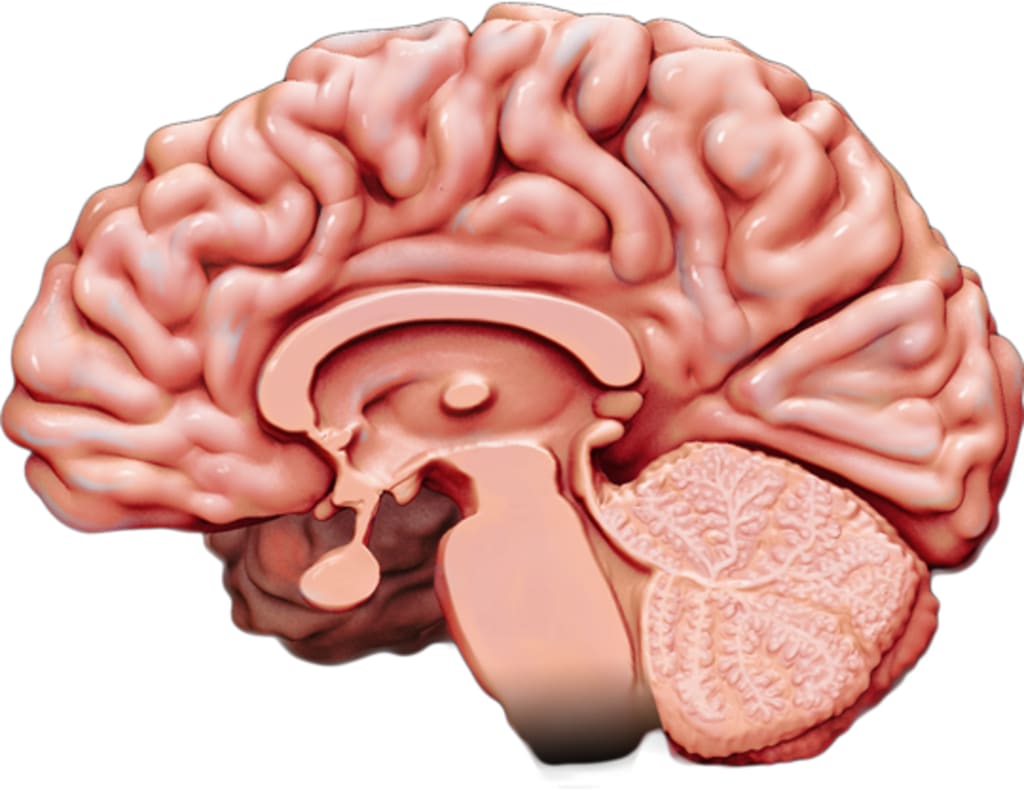
The idea that we only use 10% of our brains is a common misconception and it's not true. In reality, we use all parts of our brain, and different regions of the brain are active at different times for various functions. The concept of only using 10% of our brains is a myth.
As for the notion that the bigger the brain, the smarter the creature, it's also a misconception. Brain size doesn't directly correlate with intelligence. Instead, the complexity and organization of the brain, as well as the development of specific brain regions, play a more significant role in determining an organism's intelligence. For example, humans have relatively large and highly developed prefrontal cortex, which is associated with higher-order thinking, problem-solving, and decision-making. It's not just about the size of the brain but the specific functions and structures within it.
Furthermore, measuring intelligence can be complex, and intelligence is not solely determined by brain size or structure. Factors like social intelligence, emotional intelligence, and various cognitive abilities all contribute to a person's overall intelligence. IQ tests, while they provide some insights into cognitive abilities, do not encompass the full spectrum of human intelligence.
Different people have different brains, but it's not the size of your brain that makes you smart. There are creatures out there with bigger brains than ours, but they don't necessarily seem to be smarter than us. Intelligence is determined by many things, not just the size of the brain. We can't always measure intelligence directly with tests, but we can look at other factors to figure out how smart someone is.
The brain is an incredibly complex organ, and our understanding of its inner workings is constantly evolving. Here are some key facts about how the brain works:
Neurons: The brain is composed of approximately 86 billion neurons, which are the basic building blocks of the nervous system. Neurons transmit information through electrical and chemical signals.
Synapses: Neurons communicate with each other at specialized junctions called synapses. Neurotransmitters, chemical messengers, transmit signals across synapses.
Plasticity: The brain exhibits a remarkable degree of plasticity, allowing it to reorganize and adapt in response to learning and experience. This property is critical for learning and memory.
Hemispheres: The brain is divided into two hemispheres, the left and right. The left hemisphere is often associated with logical and analytical thinking, while the right hemisphere is linked to creativity and emotional processing.
Cerebral Cortex: The cerebral cortex is the outermost layer of the brain and is responsible for higher-level functions, such as thinking, language, and sensory processing. It's divided into different regions, each with specific functions.
Limbic System: The limbic system, deep within the brain, is involved in emotions, motivation, and memory. It includes structures like the amygdala and hippocampus.
Brainstem: The brainstem is responsible for basic life functions, such as breathing, heart rate, and digestion. It also serves as a pathway for signals between the rest of the brain and the spinal cord.
Cerebellum: The cerebellum, located at the back of the brain, plays a crucial role in coordinating movements, balance, and motor skills.
Memory: The brain has different types of memory, including short-term memory, long-term memory, and working memory. The hippocampus is important for the formation of long-term memories.
Brain Waves: Brain activity is often measured in terms of brain waves, which can be categorized into different frequency bands (e.g., delta, theta, alpha, beta, gamma) and are associated with various mental states and activities.
Blood-Brain Barrier: The brain is protected by the blood-brain barrier, a semi-permeable membrane that limits the passage of substances from the bloodstream into the brain, helping to maintain a stable internal environment.
Neurotransmitters: The brain uses a wide range of neurotransmitters to transmit signals between neurons. Common neurotransmitters include dopamine, serotonin, and norepinephrine.
Sleep: Sleep is essential for brain function and overall well-being. It is during sleep that the brain consolidates memories and performs important maintenance tasks.
Language Processing: The left hemisphere of the brain, particularly in the area known as Broca's area, is involved in the production of language, while Wernicke's area is associated with language comprehension.
Neuroplasticity: The brain can rewire itself in response to injury or changes in experience. This property allows for rehabilitation after brain damage and is the basis for the development of new skills.
Brain Imaging: Technologies like MRI, CT scans, PET scans, and EEG provide valuable insights into the structure and activity of the brain, helping researchers and doctors study and diagnose neurological conditions.
These facts offer a glimpse into the complexity and intricacy of the human brain. Ongoing research continues to uncover new insights into how the brain works and its role in our thoughts, behaviors, and overall functioning.
About the Creator
Osamuyimen Gift
I provide information about verified researches, history, news, facts, and other topics
Keep reading
More stories from Osamuyimen Gift and writers in FYI and other communities.
WHAT'S THE MOST DANGEROUS ANIMAL IN THE OCEAN?
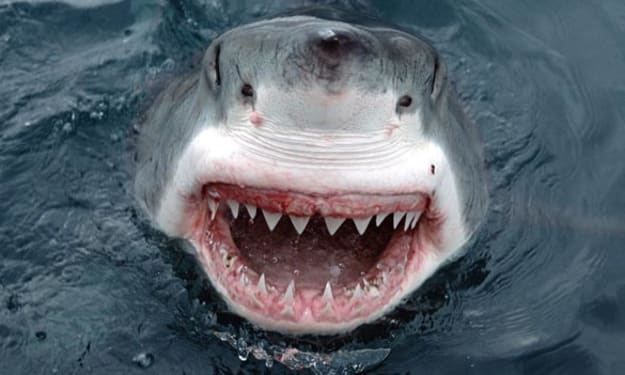
WHAT'S THE MOST DANGEROUS ANIMAL IN THE OCEAN? That's a great question and if you could ask a sea creature like a tiny damsel fish they might say white sharks are among the fiercest hunters in the ocean, that this animal is the most dangerous with their amazing swimming speed and rows of sharp great teeth. So they can be pretty dangerous to fish or maybe they would tell you a blue whale is the most dangerous and that would make sense since it's so huge. Blue whales swim through swarms of tiny creatures called Krill with their mouths wide open and when they do watch out they can swallow up to four tons of krill in a day that's more than the weight of three of these cars, and that's not all they eat with their mouths open like that they can sometimes accidentally swallow other creatures like fish and squid in the process.
By Osamuyimen Gift2 years ago in Humor


Comments (1)
Good work