
How Electronic Key Management Systems Optimize Key Control
Optimizing key control with electronic key management systems


Electronic physical key management systems are computerized systems that securely manage access to physical keys and key tags. They provide a centralized, secure, and auditable platform for the control, distribution, and revocation of these assets. The system may use electronic locks and readers, smart cards, or biometric authentication to grant access to the key cabinets or safes that are used for key storage. The goal of these types of solutions is to enhance security, improve accountability, and reduce the risk of loss or theft. It provides real-time information on who has access to what and when, making it easier to manage and control access.
What are the benefits of electronic physical key management systems for businesses?
These types of solutions offer several benefits for businesses, including:
• Enhanced security: By controlling access through electronic means, businesses can ensure that only authorized individuals have access to specific areas, reducing the risk of theft, loss or unauthorized access.
• Improved accountability: They keep an auditable record of who has access to each key and when, improving accountability and making it easier to track their usage.
• Reduced administrative costs: By automating these processes, companies can reduce the time and resources required to manage physical keys, improving efficiency and reducing costs.
• Increased flexibility: They allow companies to easily revoke and re-assign access as needed, making it easier to adapt to changing security requirements or personnel changes.
• Improved emergency response: In case of an emergency, they can quickly provide information on which ones are available and who has access to them, enabling a more rapid response.
How can electronic physical key management systems optimize key control in a business?
These solutions can optimize key control in a company in several ways.
1. Centralized management
They provide a centralized platform for managing all physical keys, making it easier to keep track of assignments and access rights. This is achieved through:
• Centralized database: All information, such as assignments, access rights, and usage history, is stored in a centralized database, making it easy to manage and access the information from a single location.
• Web-based interface: These typically provide a web-based interface, enabling administrators to manage assignments, access rights, and other related information from any location with internet access.
• Standardized processes: They standardize processes, such as key issue, return, and revocation, ensuring that all related tasks are performed consistently and in accordance with established procedures.
• Integration with other systems: They can integrate with other systems, such as access control systems, employee databases, or security cameras, providing a unified view of \ control and access information.
2. Automated processes
Such automated processes, including key issue, return, and revocation, can reduce manual errors and improve the speed and accuracy of control. This can be done in several ways:
• Issuing and return: They can automate the process of issuing and returning keys to authorized users, reducing the time and resources required for manual management.
• Access control: They can automatically grant or revoke access based on predefined policies, reducing the need for manual intervention.
• Inventory: They can maintain an automated inventory, providing real-time information on availability and reducing the risk of loss or theft.
• Usage tracking: They are able to track the usage of each key, providing valuable information on utilization and helping businesses identify areas for improvement.
• Reporting and analytics: It can generate automated reports and analytics, providing insights into processes and enabling businesses to make data-driven decisions.
3. Real-time visibility
Such solutions provide real-time information on assignments, usage, and access rights, enabling them to quickly identify and resolve any issues. This can be achieved with:
• Real-time reporting: These systems provide real-time information on assignments, access rights, usage history, and other related data, enabling companies to monitor control in real time.
• Key status: They can provide real-time information on the status of each key, including whether it is available, in use, or overdue, helping businesses quickly identify and resolve any issues.
• Alerts and notifications: They can send real-time alerts and notifications for related events, such as expiration, loss or theft, enabling companies to respond quickly to potential security threats.
• Dashboards: They often include customizable dashboards that provide real-time insights into control processes, enabling businesses to quickly identify trends, track performance, and make data-driven decisions.
4. Auditable records
Creating an auditable record of usage and access, allows companies to track key control and enforce compliance with security policies. These solutions create auditable records in several ways:
• History: They maintain a comprehensive history of assignments, access rights, and usage, providing a detailed record of control and access.
• Event logging: These systems log related events, such as issuing, return, or revocation, providing a record of all activities.
• Compliance reporting: They can generate reports that demonstrate compliance with security policies and regulations, enabling businesses to demonstrate their commitment to security and provide auditable records.
• Data export: They allow businesses to export data in various formats, such as spreadsheets or databases, enabling integration of data with other systems or processes.
5. Access control
By using electronic locks, smart cards, biometric authentication, or other means, these solutions can restrict access to physical keys to only authorized individuals, improving security and reducing the risk of loss or theft. This is done through:
• User authentication: They can require users to provide secure authentication, such as a PIN, a card, or biometrics, before issuing them, ensuring that only authorized users have access to keys.
• Role-based access: They can define different access rights for different users, enabling businesses to restrict access based on job function, security clearance, or other criteria.
• Assignment: Such solutions can assign keys to specific users or groups of users, providing precise control over who has access to what and when.
• Expiration: They can automatically revoke access after a specified time, ensuring that assets are not kept by users for longer than necessary.
• Real-time monitoring: They monitor usage in real-time, providing valuable information for risk management and helping businesses quickly identify and resolve potential security threats.
6. Alerts and notifications
These systems can send alerts and notifications for related events, such as expiration, loss or theft, enabling businesses to respond quickly and proactively manage access and control. Alerts and notifications can optimize control by:
• Expiration: They can send alerts when these are about to expire, reminding users to return them and enabling businesses to manage control more effectively.
• Returns: They can send notifications when keys are returned, alerting administrators to changes in status and enabling businesses to track control more closely.
• Loss or theft: They can send real-time alerts when there are losses or a theft, enabling businesses to respond quickly to potential security threats and take appropriate action to mitigate risk.
• Unauthorized access: They can send notifications when there is access by unauthorized users, alerting administrators to potential security breaches and enabling businesses to respond quickly to potential threats.
• Misuse: These can send alerts when there is misused or these are used outside of defined policy, helping businesses to identify areas for improvement and reduce the risks involved.
Overall, these systems optimize control with real-time alerts and notifications, enabling businesses to respond quickly to changes in status and improve the security of physical key control.
About the Creator
Roxanne Ferdinands
Writer! Writer! Writer!
Keep reading
More stories from Roxanne Ferdinands and writers in FYI and other communities.
5 Ways a Key Management System Benefits Your Business
A physical key management system is a hardware-based solution used by businesses to securely store and manage physical keys. The system typically consists of secure key cabinets or lockers that are used to store and organize them, together with key ring tags for easy key storage and retrieval, and an electronic or mechanical control mechanism to restrict access to them. The control mechanism can include features such as tracking, audit trails, and automatic alerts to help ensure that they are handled in a secure and controlled manner.
By Roxanne Ferdinands3 years ago in FYI
United States Glass Drinkware Market Size and Forecast 2025–2033
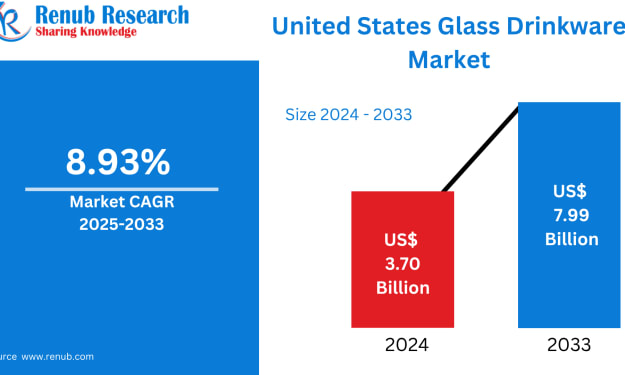
United States Glass Drinkware Market The United States Glass Drinkware Market is expected to reach US$ 7.99 billion by 2033, rising from US$ 3.7 billion in 2024, at a CAGR of 8.93% from 2025 to 2033. Growing consumer awareness of sustainability and reusable materials, the expansion of the hospitality and beverage industries, and the desire for high-end, fashionable glassware in both homes and foodservice settings are the main factors propelling the U.S. glass drinkware industry.
By jaiklin Fanandish6 days ago in FYI



Comments
There are no comments for this story
Be the first to respond and start the conversation.