
How do I know What Size my Door Closer is?
Selecting the right size for your door closer is not just about convenience; it’s about safety, durability, and compliance.

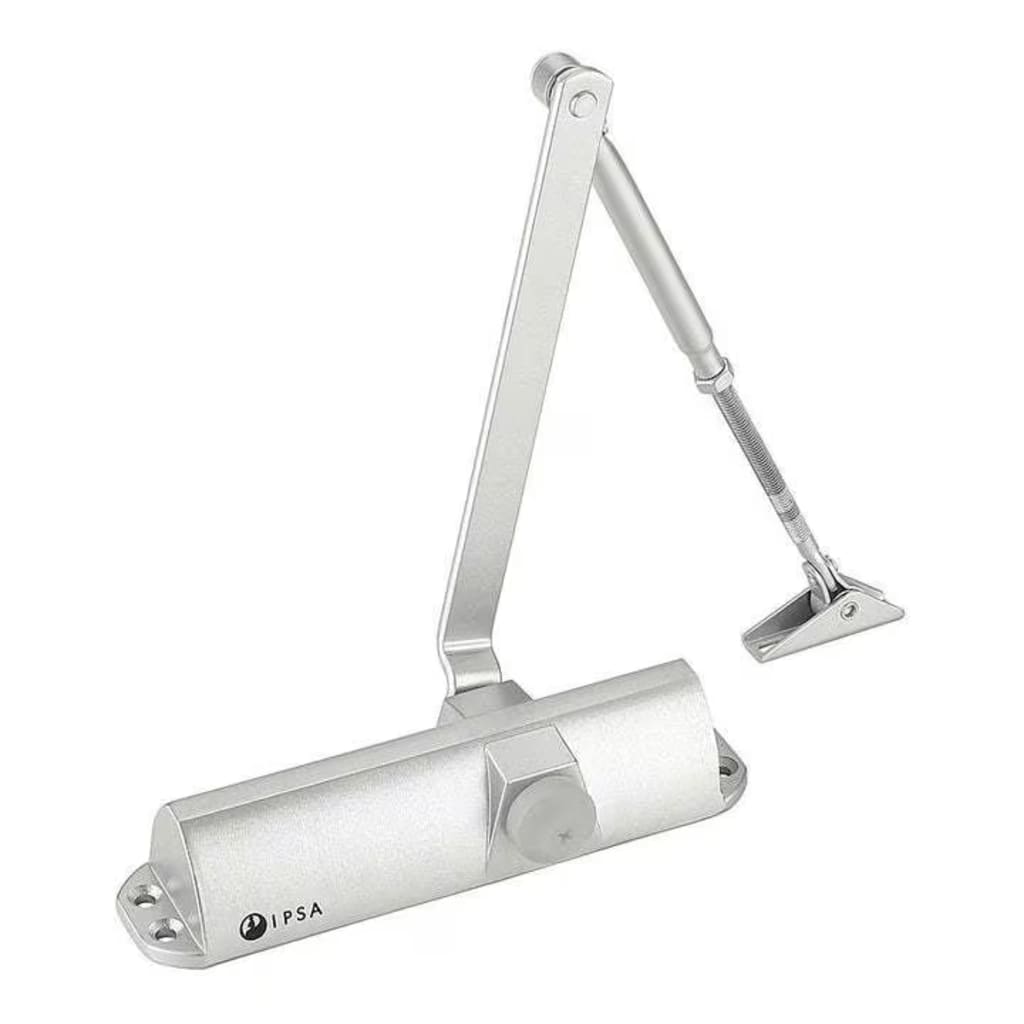
Having a door that slams shut behind you is not only unpleasant but also unsafe. On the other hand, a door that is difficult to push open requires more effort than it should. Both of these issues often boil down to the wrong door closer size.
Door closers are not one-size-fits-all devices. They come in various sizes, designed to match different door weights, widths, and usage patterns. Finding the right size for a door closer is crucial for ensuring the smooth and safe operation of your door.
A properly sized door closer can prevent slamming, improve security, and enhance accessibility. Selecting the wrong size can lead to performance issues, increased wear and tear, and even accidents.
However, figuring out the correct size may seem confusing, especially with the variety of options available in the market. But don’t worry, this blog will demystify the process of sizing a door closer, helping you choose one that ensures safety, convenience, and durability for your space.
Door Closer- Explained
A mechanical device popular as a door closer automatically shuts a door once it has been opened. It controls the speed and force of the closing action, ensuring that the door closes gently and securely. Moreover, door closers are commonly found in commercial buildings, offices, and public spaces, but they are also useful in residential properties for enhanced safety and energy efficiency.
Factors That Determine Door Closer Size
The size of a door closer depends on several key factors:
Door Weight: Heavier doors require stronger door closers to control the closing action effectively. Further, the weight of your door is one of the most critical factors in determining the right size.
Door Width: Wider doors need larger or adjustable door closers to ensure proper functionality. The width directly impacts the amount of force needed to close the door.
Type of Door: The material of the door (e.g., wood, metal, glass) can influence the type and size of door closer required.
Usage Frequency: Doors that are frequently used, such as in high-traffic areas, require durable door closers that can withstand repeated use.
Building Codes and Standards: Compliance with local regulations or accessibility standards (such as ADA compliance) may dictate the type and size of the door closer.
Mounting Style: The mounting style—whether regular, top jamb or parallel arm—can also affect the sizing and choice of the door closer.
Understanding Door Closer Sizes and Ratings
Door closers are typically rated based on their closing force, measured in "spring strength." The most commonly used sizing standard is defined by the ANSI/BHMA standards, which classify door closers from Size 1 to Size 6. So, here’s a breakdown:
Size 1: Suitable for lightweight doors, up to 26 inches wide and 45 pounds in weight.
Size 2: For doors up to 32 inches wide and 85 pounds in weight.
Size 3: Designed for doors up to 38 inches wide and 143 pounds in weight.
Size 4: For doors up to 48 inches wide and 187 pounds in weight.
Size 5: Suitable for doors up to 54 inches wide and 264 pounds in weight.
Size 6: For heavy-duty doors up to 60 inches wide and 330 pounds in weight.
Many modern door closers are adjustable, meaning they can accommodate a range of sizes (e.g., Size 1-4 or Size 2-6). Furthermore, this flexibility makes them suitable for various door types and settings.
Steps to Determine Your Door Closer Size
Follow these steps to identify the correct size for your door closer:
1. Measure Your Door
Width: Measure the door's width with a tape measure. Measure from one edge to the other at its widest point.
Weight: If the door’s weight is not specified, you can estimate it based on the material.
2. Check the Door’s Traffic Volume
For low-traffic areas, a standard door closer is sufficient.
An adjustable or heavy-duty door closer is the better choice for high-traffic areas, such as commercial space entrances.
3. Consider Special Requirements
Fire Doors: If your door serves as a fire exit, ensure that the closer is fire-rated and compliant with safety regulations.
Accessibility: For doors that need to be ADA-compliant, buy door closers with a lower opening force.
4. Identify the Mounting Style
The type of mounting—regular arm, parallel arm, or top jamb—affects the door closer’s performance. Ensure your chosen closer is compatible with the intended mounting style.
5. Match the Closing Force Rating
Refer to the ANSI/BHMA size chart to match your door’s weight and width with the appropriate closing force rating.
Common Mistakes to Avoid When Sizing a Door Closer
Ignoring the Door Weight and Width: Selecting a closer based solely on price or appearance without considering the door’s dimensions can lead to performance issues.
Overlooking Usage Frequency: High-traffic areas require durable and adjustable closers to prevent premature wear and tear.
Neglecting Local Building Codes: Non-compliance with regulations can result in fines or safety risks.
Choosing a Fixed-Size Closer for Multiple Doors: If you have doors of varying sizes, opt for an adjustable closer for versatility.
Types of Door Closers
There are several varieties of door closers to meet different demands:
Surface-Mounted Closers: The most common type, installed on the door frame.
Concealed Closers: Hidden within the door or frame for a sleek appearance.
Floor-Spring Closers: Ideal for heavy glass doors, mounted on the floor.
Overhead Concealed Closers: Installed within the header of the door frame.
Maintenance Tips for Door Closers
Regular Inspections: Check for leaks, loose screws, or misalignment.
Lubrication: Maintain adequate lubrication of the working parts to ensure seamless functioning.
Adjustments: Periodically adjust the speed and force settings to maintain optimal performance.
Concluding
Selecting the right size for your door closer is not just about convenience; it’s about safety, durability, and compliance. Understanding your door’s weight, width, and usage requirements, will help you determine the correct size and type of closer. Remember to consider adjustable options for added flexibility and ensure compliance with local building codes.
IPSA Mart offers premium door closers and a wide range of architectural hardware products. Explore durable, stylish options and buy door closer online from IPSA Mart for reliable performance and enhanced convenience.
Read Also:- What is the Best Smart Door Lock in your Opinion?
About the Creator
IPSA Mart
Consumer experience is prime to IPSA MART, Being best in architectural hardware solutions and specializing in electronic door locks & many more.
The Visionary Behind Modern Chhattisgarh
When Chhattisgarh was carved out as a separate state on 1 November 2000, the announcement marked only the beginning of a far more demanding journey. Creating a new state is not merely a political decision; it is an administrative test of the highest order. Systems must be built, institutions must be established, and continuity of governance must be ensured often under intense time pressure and public scrutiny.
By Muddasar Rasheed5 days ago in FYI




Comments
There are no comments for this story
Be the first to respond and start the conversation.