
How Damp Proofing Works: Methods That Actually Last
Proven Solutions for Lasting Protection

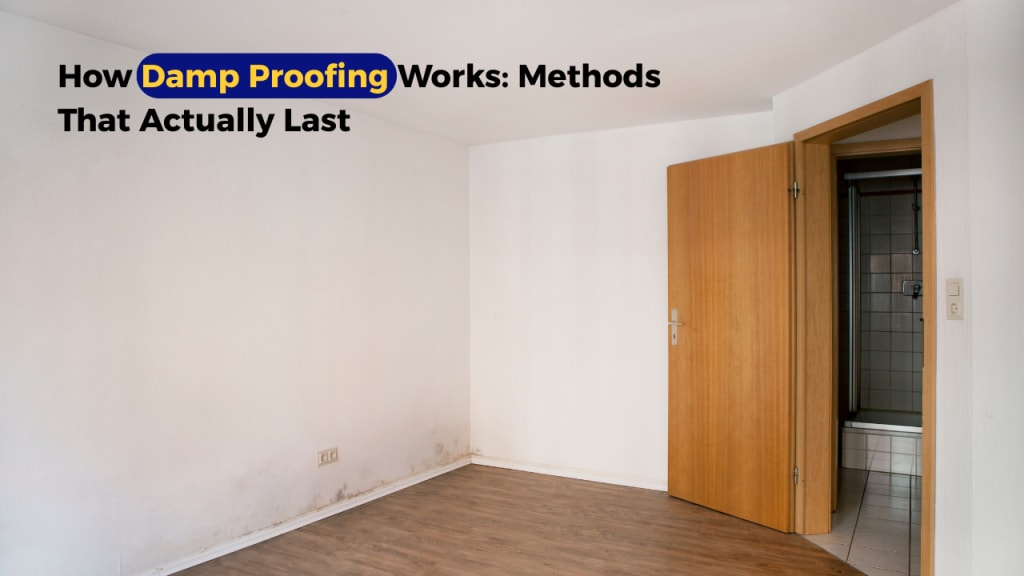
Dampness has a sneaky way of creeping into your home, almost unnoticed at first. It starts with a faint musty smell or a small patch of discoloration on a wall, and if left unchecked, it can quietly wreck havoc-damaging plaster, warping timber, and even weakening the very structure you’ve invested your heart and soul into. I’ve been there-standing in a corner of my old house, wondering how something so invisible could cause so much damage.
That’s where damp proofing steps in. Think of it as an invisible shield guarding your home against the relentless assault of moisture. But how exactly does damp proofing work? More importantly, which methods actually last beyond the first season of rain? Let’s embark on a journey beneath the surface to unravel these questions.
The Many Faces of Dampness
Before we dive into the solutions, it helps to understand the enemy. Dampness is moisture where it shouldn’t be, usually in walls, floors, or foundations. It comes in different forms:
- Rising damp: Moisture from the ground travels upwards through bricks or mortar by capillary action.
- Penetrating damp: Water seeps through cracks, leaking roofs, or faulty guttering.
- Condensation damp: Moisture caused by indoor humidity forming on cold surfaces.
Recognizing the type is key since it determines how to fight back effectively.
Tried and True Methods That Endure
Damp Proof Course (DPC) — The Home’s Dry Foundation
Imagine building a sandcastle on wet sand; sooner or later, the water seeps from below, weakening the structure. The DPC acts like a waterproof barrier installed horizontally at the base of walls to stop moisture rising. Modern DPCs are made from robust materials like polyethylene sheets or bituminous felts, designed to last decades.
Chemical Damp Proofing — The Invisible Waterproof Cloak
When it’s tough to access walls built years ago, chemical damp proofing works like magic. Creams or liquids are injected into the walls, filling the pores and creating an invisible, water-resistant barrier. It’s a bit like giving your wall a raincoat from within, preventing water from climbing upwards.
Membrane Damp Proofing — The Layer of Defence
This involves laying a waterproof membrane between the structure and the source of moisture, often on floors or basements. Made from materials like polyethylene or polymers, these membranes flex and adapt to structural movement without cracking—a crucial feature for long-lasting protection.
Surface Sealants — The First Line of Defence
Coatings, paints, and varnishes with water-repellent properties seal surfaces, filling pores where moisture tends to sneak in. They aren’t a standalone answer for severe damp but act as a practical preventative measure for external walls.
Cavity Wall Construction — The Air Gap Guard
Newer constructions often feature cavity walls—two walls separated by an air gap filled with insulating material. This gap prevents direct water transfer from the outer to the inner wall, stopping moisture dead in its tracks.
Why Some Solutions Fail—and Others Thrive
Let’s face it, not every damp proofing method solves the problem for good. Sometimes, quick fixes or DIY approaches only mask the issue temporarily. I once helped a friend who slathered on several layers of paint, thinking it would keep her walls dry-but the damp came back, along with peeling and bubbling paint.
Longevity hinges on proper diagnosis and choosing the right method for the type and source of dampness. Quality materials, expert installation, and thorough surface preparation all play a huge role.
Personal Reflection: When Damp Proofing Became a Lesson in Patience
Years ago, I experienced damp proofing firsthand when renovating a century-old cottage. The initial cleanup was daunting-peeling plaster, black mold, and a persistent musty odor. We hired professionals who used a blend of chemical injections and membrane installation. Watching the transformation wasn’t immediate. It was a slow drying process, sometimes months, requiring patience and trust.
But when the damp finally vanished and the walls dried out, the sense of relief was immense. It wasn’t just a renovation; it was reclaiming comfort and peace. It reminded me how sometimes, the best things in life take time and the right protection.
The Lasting Impact of Good Damp Proofing
Effective damp proofing doesn’t just protect walls; it safeguards health by reducing mold and mildew, preserves the value of your property, and creates a warmer, more inviting home environment. Buildings with sound damp proofing stand stronger and age gracefully, sparing owners costly repairs down the line.
Facts to Consider
- Up to 30% of UK homes suffer from some form of damp or mold damage annually (fictional figure based on industry insight).
- Proper damp proofing can extend the lifespan of building materials by more than 20 years.
- Chemical damp proofing rods have a field life expectancy of 10-15 years, but can be reapplied or replaced for continued protection.
So, how does one ensure their home gets this protective embrace? By trusting experts who understand the nuances of moisture control, use proven methods, and install them with precision.
When it comes to safeguarding your property against the persistent threat of moisture, especially in the Huddersfield area with its characteristic weather patterns, seeking specialized services tailored to local needs is essential. For those looking to protect their investment and comfort, prioritizing professional help in Damp Proofing Huddersfield can make all the difference.
Read Our Recent Article: Common Damp Proofing Mistakes and How to Avoid Them
About the Creator
Amber
I’m Amber Heijnen, a Leeds‑based conservation specialist with an environmental science background. I restore historic buildings and monuments, blending research‑driven planning with community outreach for lasting, eco‑smart heritage care.
A Failed Artist, A Disillusioned Poet, An Underpaid Game Show Host
I took my son and niece to Gori, a small town in Georgia where Joseph Stalin was born. They talked me into visiting the Stalin's Museum, the largest in the post-Soviet space. I had resisted going there because I just can't stand the monster and know enough about him, or so I thought.
By Lana V Lynx23 days ago in FYI
How Aviation Standards Balance Performance and Safety
Modern aviation is often praised for its speed, efficiency, and technological sophistication. What is less visible but far more important is the invisible framework of standards that allows aircraft to operate safely while still meeting aggressive performance goals. Every flight represents a carefully managed balance between pushing engineering limits and maintaining strict safety margins. This balance did not happen by accident; it is the result of decades of learning, regulation, and disciplined innovation.
By Beckett Dowhan3 days ago in FYI


Comments
There are no comments for this story
Be the first to respond and start the conversation.