
Common Damp Proofing Mistakes and How to Avoid Them
Simple Steps to Stop Damp Problems

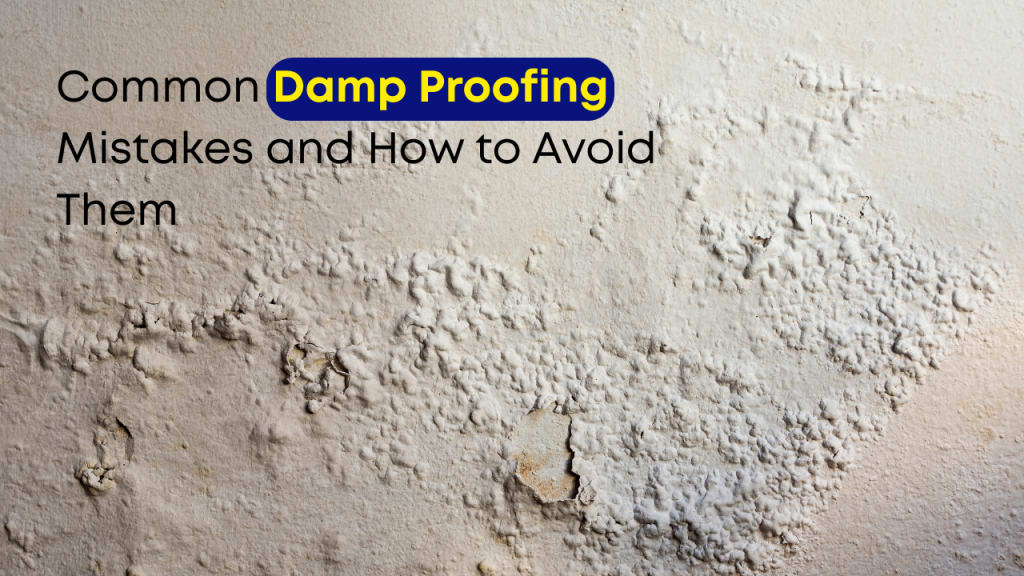
I still remember the first time I noticed damp patches spreading across the corner of my living room wall. At first, I brushed it off-maybe it was just the weather. But weeks later, the paint had started to bubble, and the smell of moisture lingered no matter how many candles I lit. That was the moment I realised damp isn’t just a cosmetic problem-it’s a silent enemy that slowly eats away at your home.
The truth is, many homeowners face the same battle. And while damp proofing is often the go-to solution, too many projects go wrong because of avoidable mistakes. Let’s walk through some of the most common errors and how you can sidestep them.
Ignoring the Root Cause
One of the biggest mistakes is treating symptoms instead of causes. Painting over damp patches, installing dehumidifiers, or just “waiting it out” might mask the problem temporarily, but the underlying issue-whether rising damp, condensation, or leaks-remains. It’s like putting a plaster on a wound without cleaning it first.
How to avoid this: Always start with a proper diagnosis. Bring in a surveyor or damp specialist who can identify whether it’s rising damp, penetrating damp, or condensation. The right treatment begins with the right identification.
Poor Ventilation Practices
I’ve been there-closing all the windows in winter to keep the house warm, only to find condensation dripping down the glass in the morning. Many damp issues are actually linked to poor ventilation. Without enough airflow, moisture gets trapped, encouraging mould and damp patches.
How to avoid this:
- Keep trickle vents open on windows.
- Use extractor fans in kitchens and bathrooms.
- Consider air bricks or modern ventilation systems if your property is older.
Simple habits can make a huge difference.
Choosing the Wrong Materials
Another mistake lies in using quick-fix materials that don’t suit the property. For example, applying modern waterproof coatings on traditional stone or brick houses can trap moisture inside instead of letting the building breathe. It’s heartbreaking to see historic homes damaged this way.
How to avoid this: Always match your damp proofing materials to the age and structure of your building. Traditional lime plaster, for instance, allows walls to breathe better than cement render.
DIY Shortcuts That Backfire
Let’s face it-damp proofing can look deceptively simple on YouTube tutorials. A few injections here, a sealant there, and it feels like a job well done. But when the damp returns months later, it becomes clear that expertise matters. I once tried to patch a damp wall myself; not only did the damp resurface, but the repair costs doubled when I finally called in professionals.
How to avoid this: If the issue is widespread or structural, hire specialists. DIY can be great for minor tasks, but damp proofing is rarely one of them.
Neglecting Regular Maintenance
Sometimes the mistake isn’t in the damp proofing itself, but in what happens after. Blocked gutters, leaking downpipes, and neglected roofs can all undo even the best damp proofing work. Water always finds a way if you let it.
How to avoid this:
- Clean gutters at least twice a year.
- Inspect roof tiles regularly.
- Check for cracks in exterior walls and seal them promptly.
Prevention saves far more than cure.
Wrapping It All Together
Damp proofing isn’t just a technical fix-it’s about protecting the comfort and health of your home. Mistakes often happen when we rush, cut corners, or underestimate how complex moisture problems can be. But with the right diagnosis, materials, and ongoing care, you can stop damp from dictating how your home feels.
Every time I see a freshly treated wall, free of stains and smell, I’m reminded that homes deserve the same care we give to our own health. After all, both need protection, attention, and maintenance to thrive.
And if you’re in an area where damp is a constant battle, it’s worth leaning on local experts who truly understand the challenges of the climate and building styles. That’s why many homeowners choose professional Damp Proofing Huddersfield.
About the Creator
Amber
I’m Amber Heijnen, a Leeds‑based conservation specialist with an environmental science background. I restore historic buildings and monuments, blending research‑driven planning with community outreach for lasting, eco‑smart heritage care.
A Failed Artist, A Disillusioned Poet, An Underpaid Game Show Host
I took my son and niece to Gori, a small town in Georgia where Joseph Stalin was born. They talked me into visiting the Stalin's Museum, the largest in the post-Soviet space. I had resisted going there because I just can't stand the monster and know enough about him, or so I thought.
By Lana V Lynx23 days ago in FYI
Is There a Hidden Ocean Inside the Earth, and Are We Running Out of Time?
If you think you understand what’s beneath your feet, science might want a word with you, because recent research suggests our planet may be hiding something massive. And no, this isn’t sci-fi. It’s grounded in real discoveries, strange footage, and unsettling predictions about where humanity is headed.
By Areeba Umair5 days ago in FYI




Comments
There are no comments for this story
Be the first to respond and start the conversation.