
History of the 12 Days of Christmas
They're after Christmas?

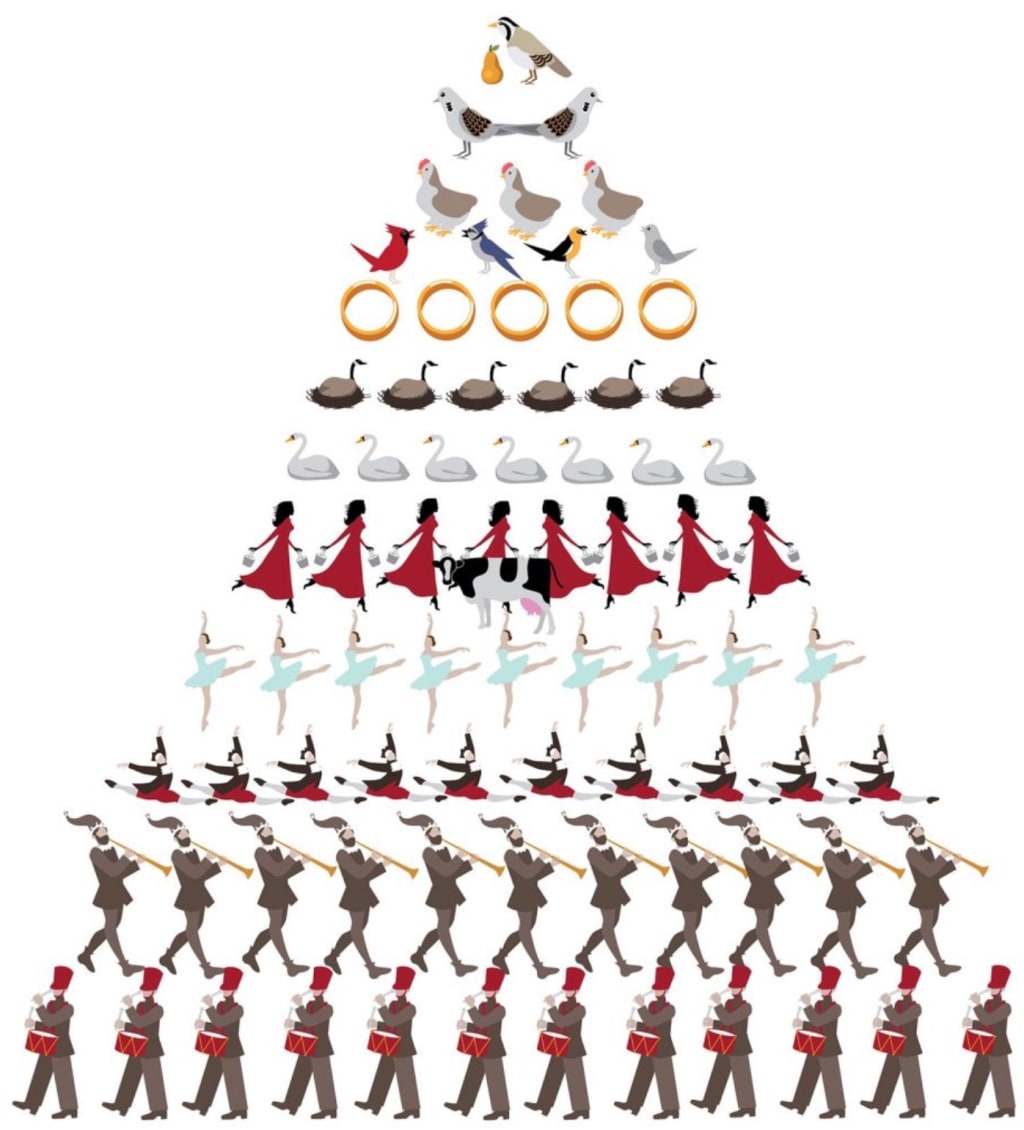
The 12 Days of Christmas are the dozen days in the liturgical (ecclesiastical) calendar of the Western Church between the celebration of the birth of the Christ Child (Christmas Day, December 25) and the coming of the Wise Men, or Magi, to visit at his house in Bethlehem (Epiphany, January 6).
The Eastern Orthodox Church celebrates during Epiphany rather than the Western Christmas Day. January 6th is observed as Three Kings Day in Hispanic and Latin American culture, or simply the “Day of the Kings.”
Question: Aren’t the 12 Days of Christmas the days before Christmas when you shop for presents?
Answer: No, the four-week season before Christmas is called Advent, meaning “the coming” of Christ.
The dozen days following Christmas are the 12 Days of Christmas; the last is known as Twelfth Night. The Twelfth Night is the holiday that marks the twelfth night of the Christmas Season, the Eve of Epiphany.
During the Tudor period in English history, the “Lord of Misrule” would run the festivities of Christmas, ending on this Twelfth Night. Shakespeare's play by the same name was intended to be presented as a Twelfth Night entertainment and was first performed during this time in 1602.
The festival was particularly popular during the Middle Ages, especially in England, where some traditions were adapted from older pagan customs. Modern Neopaganism celebrates this time under the name of Midwinter or Yule. Yule or Yuletide, which, while it serves as an archaic term for Christmastide, hearkens back to earlier German and Norse traditions.
Question: But wasn’t the 12 Days of Christmas song used as a memory aid for catechism by Roman Catholics in England during the period 1558 until 1829, at which time Parliament finally emancipated Catholicism there, who were prohibited from ANY practice of their faith by law – private OR public — where each gift is a hidden meaning to the teachings of the faith?
Answer: This is unlikely for several reasons:
At first glance, nothing in this song is uniquely Catholic in belief compared to Protestant catechism. Any of the items in it could be embraced by Catholics and Protestants alike.
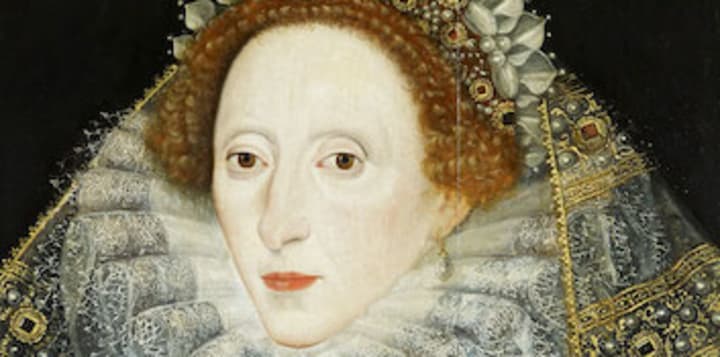
It is true that Queen Elizabeth I's 1558 Act of Uniformity indeed did abolish what was called the “old worship,” and the open practice of Catholicism was forbidden by law. That is until 1829 when the English Parliament passed the Catholic Emancipation Act. Her Act of Supremacy in 1558 declared her the Supreme Governor of the Church of England, and required anyone taking public or church office to swear allegiance to the monarch as the head of the Church and State. That said, nothing in this song would have been taken as particularly Catholic or offensive to Protestant Anglican sensibilities.
Secondly, while there are differences between Anglican (Protestant Church of England) and Catholic belief, none of those show up in the “hidden meaning” of the song, with the possible exception of the number of sacraments — 7 for Catholics, 2 for Anglicans. The “7 swans a-swimming” could be the 7 Gifts of the Spirit in 1 Corinthians 12:8-10 acceptable to both Catholics and Protestants.
12 Days of Christmas: Confusion
However, it may be possible that this song has been confused with another song called “A New Dial” (also known as “In Those 12 Days.”) This song goes back to at least 1625, assigning religious meanings to each of the 12 days of Christmas though not for teaching a catechism. During those days, there was a custom of singing songs called a “memory-and-forfeits performance” in which people added verses to a song cumulatively until the loser of the game forgot the first verses.
Bill Petro, your friendly neighborhood historian
If you enjoyed this article, please consider leaving a comment. Subscribe to have future articles delivered to your email.
About the Creator
Bill Petro
Writer, historian, consultant, trainer
https://billpetro.com/bio
Keep reading
More stories from Bill Petro and writers in FYI and other communities.
Why Do We Celebrate Christmas on December 25?
Here begins our series of articles on the History of Christmas. The traditional season of Advent, leading up to Christmas, begins today. It is celebrated in the church calendar as one of the most festive seasons of the year.
By Bill Petro4 years ago in FYI



Comments
There are no comments for this story
Be the first to respond and start the conversation.