
Hidden Realms Beneath Our Feet: The Secret Underground Cities You Never Knew Existed
From ancient escape routes to Cold War bunkers real life underground cities are more fascinating than fiction

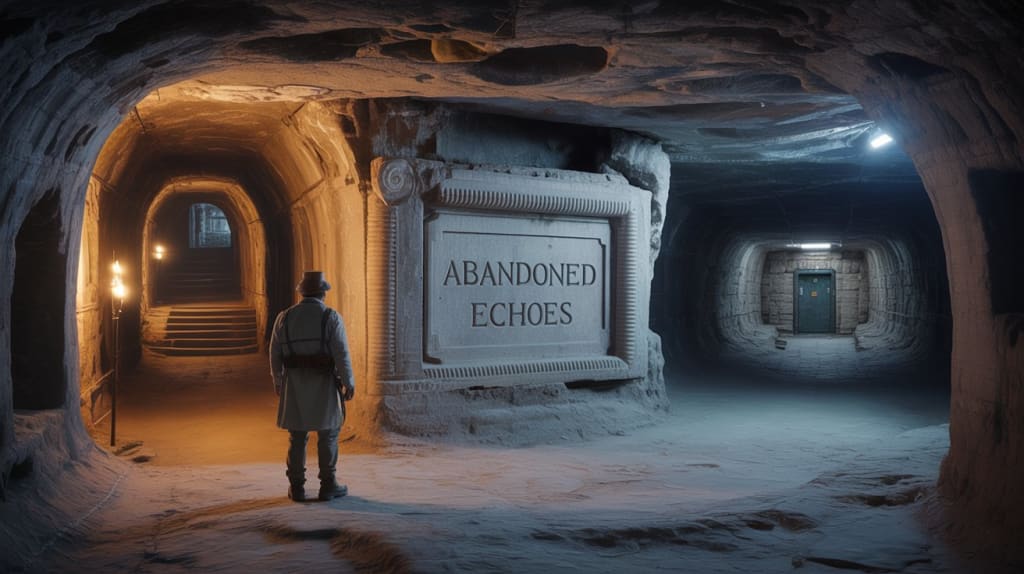
When most people imagine hidden worlds, they think of science fiction or fantasy. But scattered across the globe are astonishing, real-life subterranean cities—built not by imagination, but by necessity. These underground marvels tell stories of survival, resilience, and engineering far beyond their time.
Here are some of the most intriguing underground cities you’ve probably never heard of—and the remarkable truths behind them.
Derinkuyu, Turkey – The Subterranean Giant
In 1963, a man in Cappadocia, Turkey knocked down a basement wall and accidentally uncovered Derinkuyu, an ancient underground city carved into volcanic rock. What followed was a discovery of 18 levels of tunnels, chambers, and ventilation shafts—capable of housing up to 20,000 people.
This massive city featured stables, kitchens, schools, wineries, and even religious chapels. Designed to protect residents from invasions and natural disasters, it was part of a larger underground network that includes Kaymaklı and other interconnected cities.
According to Big Think, Derinkuyu likely dates back to the 8th century BCE, later expanded by Byzantine Christians during Arab invasions.
Beijing's Dìxià Chéng – The Cold War "Dungeon"
During the Cold War, China constructed a massive fallout shelter beneath its capital: Dìxià Chéng, or the “Underground City.” Spanning over 85 kilometers, it was designed to protect over 1 million residents in the event of a nuclear strike.
The shelter included schools, clinics, sleeping quarters, and even cinemas. While the tunnels were sealed to the public for years, many were used in recent decades as unofficial rental units for low-income migrants—nicknamed the "Rat Tribe."
The Sun reported that despite eviction efforts, thousands still live in these bunkers today.
Naours & Wieliczka – Europe's Hidden Communities
Naours, France
Originally a limestone quarry, Naours evolved into a full underground town with 300 rooms and multiple chapels. It served as a refuge during invasions in the 17th century and even housed Allied troops during World War I.
Wieliczka Salt Mine, Poland
Dating back to the 13th century, Wieliczka is one of the world's oldest salt mines, with over 3,000 chambers and 185 miles of tunnels. What makes it truly unique is its stunning underground chapels—complete with chandeliers made from salt crystals.
Recognized by UNESCO, Wieliczka is now a popular tourist site and cultural heritage monument.
Tábor Tunnels, Czech Republic – History Meets Legend
Beneath the medieval Czech town of Tábor lies a vast network of tunnels, originally used for food storage and emergency shelter. Known as the Tábor Tunnels, they stretch for over 14 kilometers beneath the town center.
Local legends claim the tunnels once housed a secret religious artifact brought by the Knights Templar, giving rise to ghost stories and treasure hunter tales.
Today, about 500 meters of the tunnels are open to tourists, but much of the system remains unexplored.
Gilmerton Cove, Scotland – Tavern or Secret Society?
In the village of Gilmerton near Edinburgh, lies a mysterious set of hand-carved sandstone rooms known as Gilmerton Cove. Created in the 18th century, the true purpose of this cave system is still debated.
Some believe it was a secret drinking den for local elites, while others suspect it was a hideout for religious rebels known as Covenanters. Ground scans hint at deeper, undiscovered chambers still hidden below.
Learn more on Wikipedia.
Odesa Catacombs, Ukraine – The World's Largest?
With over 2,500 kilometers of tunnels, the Odesa Catacombs are among the longest in the world. Originally dug for limestone, the tunnels later became a haven for smugglers, partisans during WWII, and Cold War bunkers.
Today, many parts of the catacombs are unmapped and incredibly dangerous to explore. Despite this, urban explorers are drawn to the eerie silence and labyrinthine mystery.
Wikipedia reports that dozens of people have gotten lost or died in the tunnels, and many sections are sealed for public safety.
Why Humans Built Cities Underground
These fascinating subterranean spaces weren't built out of boredom—they were born of urgency, survival, and strategy:
- Protection from invaders, bombs, or natural disasters
- Climate control in harsh regions
- Religious freedom and secrecy
- Resource mining and storage
Whether designed as bunkers or built to last centuries, each structure reflects the resilience and ingenuity of its builders.
Final Thoughts
From the silent halls of Derinkuyu to the dimly lit catacombs beneath Odesa, underground cities reveal how humans adapt to fear, war, and need. Some have become tourist attractions, others forgotten ruins. Yet all carry with them the echoes of a world hidden just beneath our feet.
If you could explore one of these hidden realms, which would you choose and why? Let us know in the comments!
Sources & References:
About the Creator
Nowshad Ahmad
Hi, I’m Nowshad Ahmad a passionate storyteller, creative thinker, and full-time digital entrepreneur. Writing has always been more than just a hobby for me; it's a way to reflect, connect, and bring life to ideas that often go unspoken.
Keep reading
More stories from Nowshad Ahmad and writers in FYI and other communities.
Behind Every " I'm Okay" Is a Thousand Silent Cries
In an age where we are constantly surrounded by pings, posts, and people, many of us still lie awake at night asking the same quiet questions: Why am I so anxious? Why do I feel so alone? Why did that relationship fail? Will I ever be strong enough?
By Nowshad Ahmad8 months ago in Humans
The Art of Traveling in Style: A Guide to Luxury Travel Services
Traveling has always been more than just moving from one place to another—it’s a chance to discover, unwind, and experience life in ways that stay with you forever. But there’s a distinct difference between a standard trip and a journey that feels truly luxurious. Luxury travel services are not just about expensive hotels or first-class flights; they are about crafting experiences that are seamless, personalized, and meaningful.
By All 4 Season7 days ago in FYI




Comments (1)
Please subscribe and like my story