
Getting Featured on Playlists: A Key to Indie Music Success
Getting Featured on Playlists

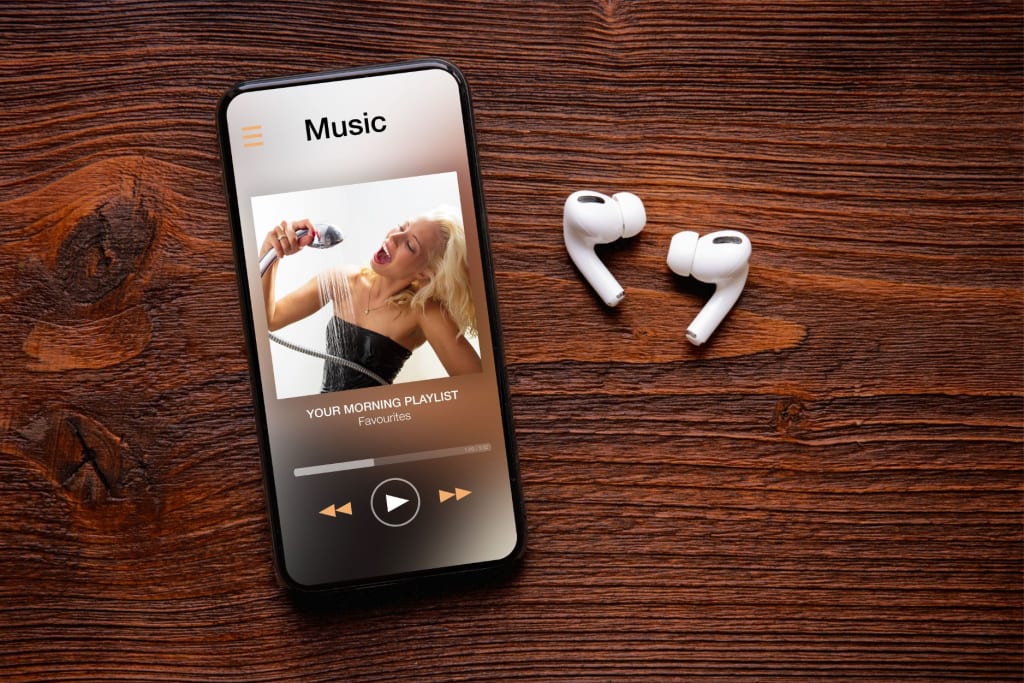
In today’s music industry, playlists have become one of the most critical ways for indie artists to promote their tracks and reach new audiences. Whether you’re on Spotify, Apple Music, YouTube Music, or other streaming platforms, getting featured on a popular playlist can skyrocket your exposure. For indie artists, this is an excellent opportunity to expand their fanbase, build credibility, and increase streams. But how can indie musicians get their music featured on these playlists? This article dives into strategies and tips for securing playlist placements.
1. Understanding Different Types of Playlists: Curated vs. Algorithmic Playlists
Playlists come in different forms, and understanding the differences is crucial to developing a solid playlist-pitching strategy.
Curated Playlists: These are playlists that are hand-picked by humans. These could be playlist curators, record labels, influencers, or even individual users. Curated playlists range from official editorial playlists by platforms like Spotify (such as “Rap Caviar” or “New Music Friday”) to user-generated lists shared by music fans. Landing a spot on an editorial or influencer-curated playlist can result in a huge spike in streams due to the high visibility these playlists receive.
Algorithmic Playlists: These are automatically generated by streaming services based on user data, such as listening habits, genre preferences, and artists users engage with. Examples include Spotify’s “Discover Weekly” and “Release Radar.” While algorithmic playlists are highly valuable, getting featured on them usually follows naturally after your music starts gaining traction through other efforts, such as curated playlist placements.
Understanding which playlists to target allows you to focus your efforts, whether it’s by reaching out to playlist curators directly or enhancing your presence to be picked up by algorithms.
2. Creating Your Own Playlist
One often overlooked but highly effective strategy for indie artists is creating their own playlists. You don’t need to rely solely on others to feature your music — you can take control of your playlist destiny.
Curate a diverse mix: Include your own tracks along with songs from other artists who align with your style. This not only helps attract listeners but can also introduce your audience to similar artists, showing that you care about curating a broader music experience.
Promote it: Share your playlist on social media, embed it on your website, and encourage your fans to follow it. The more listeners engage with the playlist, the higher your chances of your music getting picked up by algorithms.
Collaborate on playlists: Invite other indie artists to contribute tracks to a joint playlist. This can amplify your reach by tapping into each other’s fanbases.
Creating your own playlist not only showcases your music but also builds your brand as a tastemaker, increasing your overall visibility.
3. Approaching Playlist Curators: The Right Way
Pitching your music to playlist curators can be tricky, but it’s a vital step in getting featured on the right lists. Here are a few strategies to help you pitch effectively:
Research the curator: Before pitching, make sure the playlist curator’s taste aligns with your music style. Pitching a rock song to a pop-focused playlist will likely result in rejection. You should target playlists that regularly feature indie or emerging artists within your genre.
Send a professional email: When reaching out to a playlist curator, keep your email short, polite, and professional. Include a brief introduction, your song link (preferably to Spotify or another major platform), and a concise explanation of why your track would fit well with their playlist. Personalizing your email by mentioning a specific song from their playlist or expressing admiration for their curation skills can make a big difference.
Include your press kit: Attach a well-organized press kit or include relevant links (artist bio, high-quality photos, previous press coverage). This gives curators more context about your career and makes your pitch appear more professional.
Follow up (but don’t spam): If you haven’t heard back after a week or two, it’s okay to send a polite follow-up email. However, avoid being overly aggressive, as it could lead to your emails being ignored.
Getting on curated playlists is all about building relationships and sending the right pitch at the right time. Persistence and professionalism go a long way.
4. Engaging Your Fanbase for User-Generated Playlists
User-generated playlists are a huge part of the music streaming ecosystem. Encouraging your fans to add your tracks to their playlists can lead to organic growth and increased chances of being noticed by algorithms.
Direct fan engagement: Ask your fans to add your songs to their personal playlists. You can run social media campaigns, offering small incentives like exclusive content in exchange for sharing your track on their playlist.
Offer playlist incentives: Creating a playlist challenge where fans can win a prize by adding your song to their playlist is a fun, interactive way to drive engagement.
Leverage fanbase networks: Encourage fans to share playlists with their friends, increasing the chances of your music being spread organically through different networks.
While getting on official playlists can be challenging, user-generated playlists are a more accessible route, especially when you activate your existing fanbase.
5. Monitoring Playlist Performance and Growth
After getting featured on a playlist, it's important to monitor the impact it has on your music career. This can help you adjust your strategies for future success.
Use analytics tools: Most streaming platforms offer data insights that allow you to see how many plays your song is getting from each playlist. Spotify for Artists and Apple Music for Artists, for example, provide detailed information on playlist contributions to your overall streams.
Track follower growth: Keep an eye on your follower count and streaming numbers after getting added to a playlist. If you notice a significant jump, you’ll know which playlist had the most impact.
Engage with new fans: Playlists can bring in new listeners, so take time to engage with them on social media or through your newsletter. This helps turn casual listeners into loyal fans.
Conclusion:
In the era of streaming, getting your music featured on playlists is one of the most effective ways for indie artists to reach new listeners. By understanding the different types of playlists, creating your own, effectively pitching to curators, engaging with your fanbase, and tracking performance, you can significantly boost your career. Playlists may seem elusive, but with persistence, strategy, and a little luck, your music can find its way onto the lists that matter most.
About the Creator
Music Industry Updates
Welcome to Music Industry Updates, your go-to hub for the latest happenings in the music world.
Stay tuned, stay informed, and stay inspired with Music Pulse – where every beat counts.
Keep reading
More stories from Music Industry Updates and writers in FYI and other communities.
YouTube Content ID vs. Copyright Strikes: Know the Difference
Navigating the world of YouTube as a content creator can be challenging, especially when it comes to understanding copyright rules. Two commonly confused terms are “Content ID claims” and “copyright strikes.” While both relate to copyright enforcement, they function very differently, and the consequences for content creators can vary significantly. This article will clarify the distinctions between YouTube’s Content ID claims and copyright strikes, how each works, and what creators can do to manage these situations effectively.
By Music Industry Updatesabout a year ago in FYI
Virginia was once a mega-state until it gave up most of its land
The year 2026 marks the 250th anniversary of the Declaration of Independence. According to Cardinal News, Virginia was originally much larger than it is today. Virginia came out of the Revolutionary War much smaller than it was when it went in.
By Margaret Minnicks6 days ago in FYI



Comments
There are no comments for this story
Be the first to respond and start the conversation.