
From Mystery to Marvel: The Incredible Journey of the Silk Road
Exploring the History, Trade and Cultural Exchange Along the Ancient Silk Road

Introduction:
The Silk Road is one of the most iconic trade routes in human history, connecting the ancient world from China to the Mediterranean Sea. For centuries, it has been a hub of cultural exchange, connecting diverse civilizations and facilitating the exchange of goods, ideas, and technologies. In this article, we will explore the fascinating history of the Silk Road, from its origins to its impact on world history and modern-day implications.
The Origins of the Silk Road
The Silk Road was not a single road but a network of trade routes that emerged during the Han Dynasty in China (206 BCE - 220 CE). The Chinese traded silk, tea, spices, and porcelain for precious metals, gems, and other commodities from the West. As the trade network expanded, the Silk Road became a major conduit for cultural exchange, as merchants, scholars, and religious figures traveled along the route.
The Geography of the Silk Road
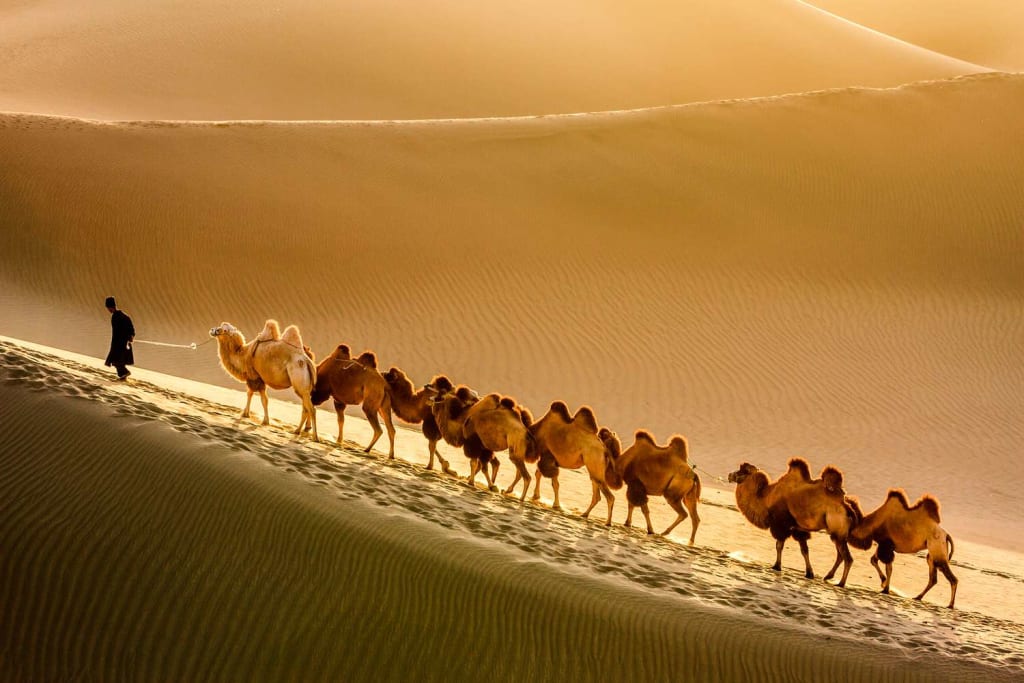
The Silk Road covered more than 7,000 kilometers, stretching from China to the Mediterranean Sea. It passed through diverse landscapes, from the deserts of Central Asia to the mountains of the Hindu Kush and the Caucasus. The route also crossed many empires, kingdoms, and city-states, such as the Parthian Empire, the Kushan Empire, and the Roman Empire, each leaving their mark on the cultural exchange and trade.
The Merchants of the Silk Road
Merchants were the driving force behind the Silk Road, braving the dangers of bandits, harsh climates, and political upheaval to trade goods and ideas. They came from many different cultures and religions, such as the Sogdians, who were known for their expertise in commerce, and the Jewish merchants who played a significant role in the silk trade. Many of these traders settled in the cities along the Silk Road, contributing to the cosmopolitan and multicultural character of these urban centers.
The Cultural Exchange Along the Silk Road
The Silk Road facilitated the exchange of ideas, technologies, and art between different cultures. Buddhism, for example, spread from India to China through the Silk Road, and Chinese medicine and mathematics also influenced the West. The trade also introduced new foods, such as spices and tea, to different cultures, transforming their culinary practices. The exchange of knowledge and ideas was not limited to the elite but also occurred at the grassroots level, as local people interacted with the traders.
The Legacy of the Silk Road
The Silk Road left a lasting impact on world history, contributing to the rise and fall of empires and shaping cultural practices in different parts of the world. The trade network also facilitated the spread of the bubonic plague in the 14th century, which decimated the population of Europe and Asia. Today, the Silk Road remains an important symbol of cultural exchange, inspiring tourism and economic development in the regions it once connected.
The Revival of the Silk Road
In recent years, there has been a renewed interest in the Silk Road, with China's Belt and Road Initiative seeking to revive the ancient trade network through infrastructure development and economic cooperation. The initiative aims to promote greater connectivity and economic development among the countries along the route, with significant implications for global trade and investment.
The Challenges of Reviving the Silk Road
The revival of the Silk Road faces many challenges, such as geopolitical tensions, environmental degradation, and social inequality. The initiative has been criticized for promoting debt trap diplomacy, as China seeks to extend its influence over the countries along the route. The infrastructure development associated with the initiative has also raised concerns about its impact on the environment and local communities. Despite these challenges, the Belt and Road Initiative has the potential to promote economic growth and cultural exchange, building on the legacy of the Silk Road.
The Future of the Silk Road
The future of the Silk Road remains uncertain, as geopolitical tensions and economic competition continue to shape the global landscape. However, the legacy of the Silk Road remains an enduring symbol of human connectivity and cultural exchange. As we look to the future, it is important to remember the lessons of the past and the importance of fostering greater understanding and cooperation among different cultures and nations.
Conclusion:
The Silk Road is a testament to the enduring human desire for trade and cultural exchange, spanning thousands of kilometers and centuries of history. Its impact on the world has been profound, shaping the rise and fall of empires and the exchange of ideas and technologies. As we continue to navigate the challenges of the modern world, the legacy of the Silk Road offers a powerful reminder of the importance of connectivity, cooperation, and mutual understanding.
About the Creator
Ivy Lane
This is Ivy Lane, a skilled and dedicated writer with a passion for storytelling. Recognized for my talent through awards and writing competitions. My writing encompasses various forms and is characterized by its clarity and creativity.


Comments
There are no comments for this story
Be the first to respond and start the conversation.