
From Chaos to Calm: How I Used Mindfulness to Discover Cleaning as a Daily Ritual
How turning everyday cleaning into a mindful ritual helped me reclaim peace, presence, and a clearer state of mind.
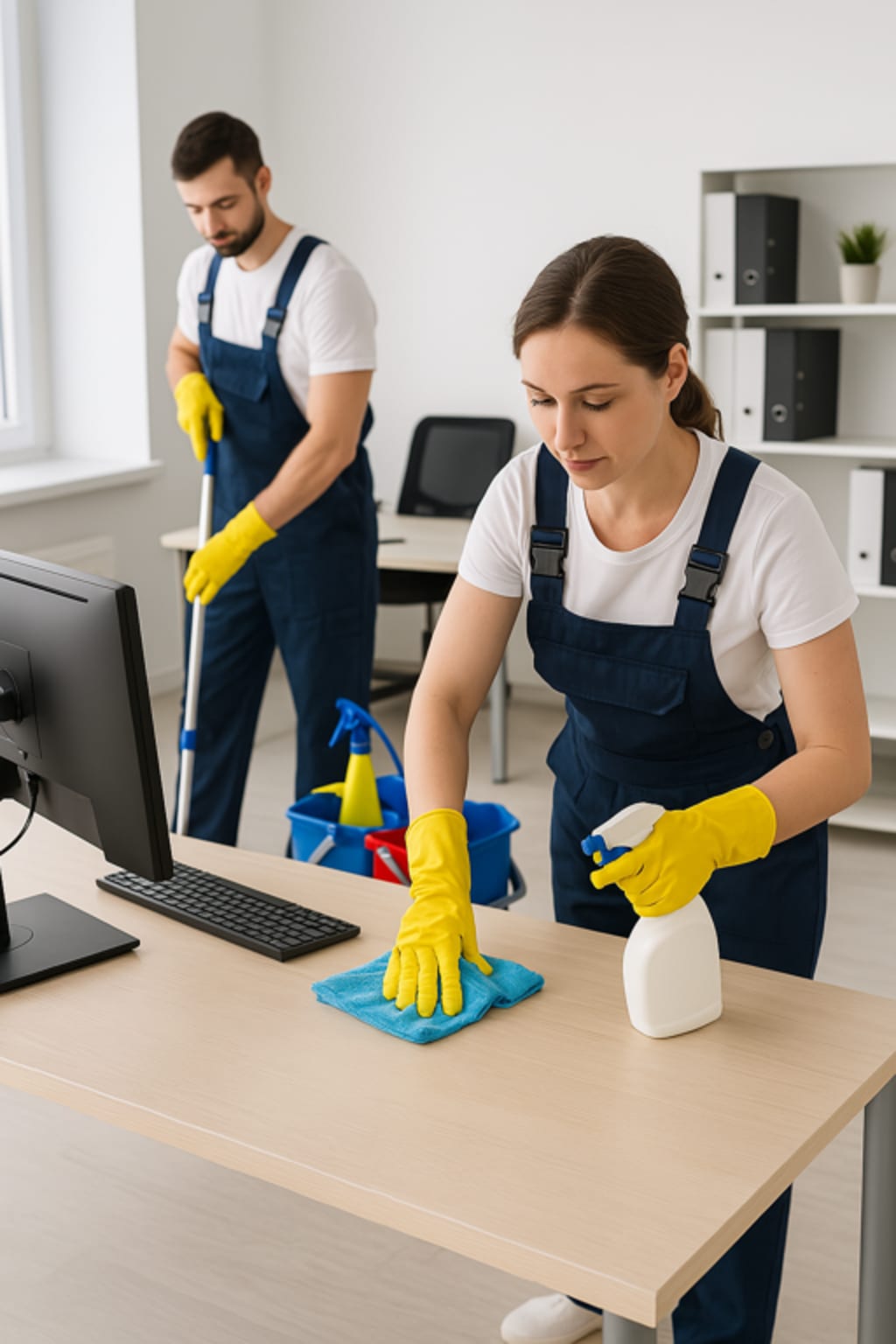
There was a time in my life when I couldn’t find the floor—literally or figuratively. My home office was cluttered with paperwork, dishes lingered longer than they should have, and even the simplest of tasks felt overwhelming. I didn’t realise it at the time, but the chaos around me was feeding the chaos within me. Everything felt heavier, noisier, harder to control. That’s when I stumbled upon the unlikely pairing that would help restore a sense of peace: mindfulness and cleaning.
And that’s also how I came to Discover Cleaning—not just as a task, but as a daily ritual that brought me back to myself.
Messy Space, Messy Mind
We’ve all heard the phrase “clean house, clear mind”, but I never gave it much thought until I noticed how agitated I felt sitting among piles of unopened mail or navigating through laundry baskets on the floor. I used to believe that clutter was a symptom of being “too busy.” But over time, I realised the mental toll it was taking was far greater than the time it would’ve taken to tidy up.
Clutter, it turns out, isn’t just about stuff—it’s about unresolved energy. When your environment is noisy, your brain struggles to focus. A 2011 study by Princeton University found that physical clutter competes for your attention, resulting in decreased performance and increased stress. It wasn’t just my imagination: the mess was messing with my head.
That realisation pushed me to change, but I didn’t want to approach cleaning like a boot camp drill. I wanted to feel present, not pressured.
If you’re interested in how clutter can impact your mental space, I recommend reading “Decluttering Isn’t Just for Minimalists” on Vocal’s Lifehack channel. It really opened my eyes to how emotional clutter can be.
Breathing Through the Broomstrokes
One afternoon, as I wiped down my kitchen bench in silence, I noticed something odd—I was calm. For those few moments, my thoughts weren’t racing. I wasn’t stressing about deadlines or replaying awkward conversations. I was just there, sponge in hand, moving in slow, deliberate motions.
That was my first glimpse into mindful cleaning.
The concept of mindfulness—being fully present and engaged in the moment—doesn’t always require sitting cross-legged with your eyes closed. Sometimes, it’s in the act of scrubbing a surface or folding a blanket with attention. Cleaning, when done without distraction, becomes a form of meditation. It grounds you in your body, your breath, your senses.
This was the start of a powerful shift for me.
Clean Space, Clear Mind: Building the Ritual
I began treating cleaning not as a chore to be checked off a list, but as a ritual—a daily opportunity to reset, both mentally and emotionally. Here are a few mindful practices that helped turn cleaning into something I actually look forward to:
- Set the tone: I’d light a candle or open a window before starting. Fresh air and scent created a calming atmosphere.
- Work in silence or with soft music: The goal was presence, not distraction. I often chose lo-fi beats or instrumental jazz.
- Use my senses: I noticed the textures, the smells of natural cleaners, the satisfaction of a clean surface.
- Start small: A five-minute counter wipe-down or decluttering one drawer was enough to trigger a shift in energy.
When I committed to these daily rituals, I noticed I wasn’t just cleaning my space—I was calming my nervous system. It was no longer about perfection; it was about presence.
For another perspective on everyday mindfulness, check out “How Mindfulness Changed My Relationship With My Home” in the Longevity section on Vocal. It’s a beautifully written piece that echoes many of the discoveries I made on this journey.
Mindful Enough to Delegate
Here’s the thing, though: even as I embraced cleaning as a mindful act, there were times I simply couldn’t keep up—especially when life got busy again. And I learned that mindfulness also means knowing your limits. It means acknowledging when it’s time to ask for help, not out of defeat but out of self-awareness.
During one especially busy month, I reached out to professional commercial cleaners who understood the value of cleanliness not just in terms of hygiene, but in creating peaceful, productive environments. Their services helped me stay on top of things when I couldn’t do it alone. What I appreciated most was how seamlessly they supported the routine I had already built—reinforcing my own efforts, not replacing them.
Outsourcing certain tasks doesn’t mean giving up; it can be a continuation of the ritual in a more sustainable form.
From Reaction to Ritual
Before I started this journey, I was reacting to mess in frustration. Now, I clean proactively, with intention. The sink gets emptied before it overflows. The floor gets a quick sweep at the end of the day, not once a fortnight. These small acts accumulate into something bigger—a sense of order that allows me to focus on what really matters.
And more importantly, I’ve carried the lesson of mindful attention into other areas of life—eating, working, even resting. Cleaning became the gateway.
So if you’re feeling overwhelmed, disconnected, or just plain scattered, I encourage you to try Discover Cleaning as more than a task. Let it be a grounding ritual, a reset button, a moment of calm amidst the noise.
Final Thoughts
Cleaning doesn’t have to be a drag. It can be a doorway to clarity, a daily reminder that your environment reflects your energy. And when you need help—whether it’s for your home office or an entire workspace—there’s no shame in seeking out support from professionals who understand how powerful a clean space can be.
Start small. Be present. And slowly, you may find, like I did, that you don’t just clean your home—you clean your mind.
About the Creator
Keep reading
More stories from Rochelle Martinez and writers in FYI and other communities.
Why Geosecure May Be the Silent Hero Behind Every Stable Australian Build
If your house is still standing straight after heavy rains or your driveway hasn’t shifted over the years, you probably have a team of geotechnical professionals to thank—even if you’ve never heard of them. Behind every safe, well-built structure is a foundational story, quite literally. And in Australia’s ever-shifting landscape, that story often includes the quiet influence of companies like Geosecure.
By Rochelle Martinez8 months ago in FYI
Smart phones, Humans and Aliens.
WARNING. I will be tapping into one of your favorite creative tensions: The absurdity of humans worshipping their glowing rectangles as if they were tiny oracles. There’s something deliciously poetic about that contradiction, and it lends itself beautifully to an instructive proviso.
By Novel Allen4 days ago in Poets


Comments
There are no comments for this story
Be the first to respond and start the conversation.