
Flash Flood Warnings: What They Mean and How to Stay Safe
Understanding the dangers of flash floods, why warnings matter, and how to protect yourself in emergencies

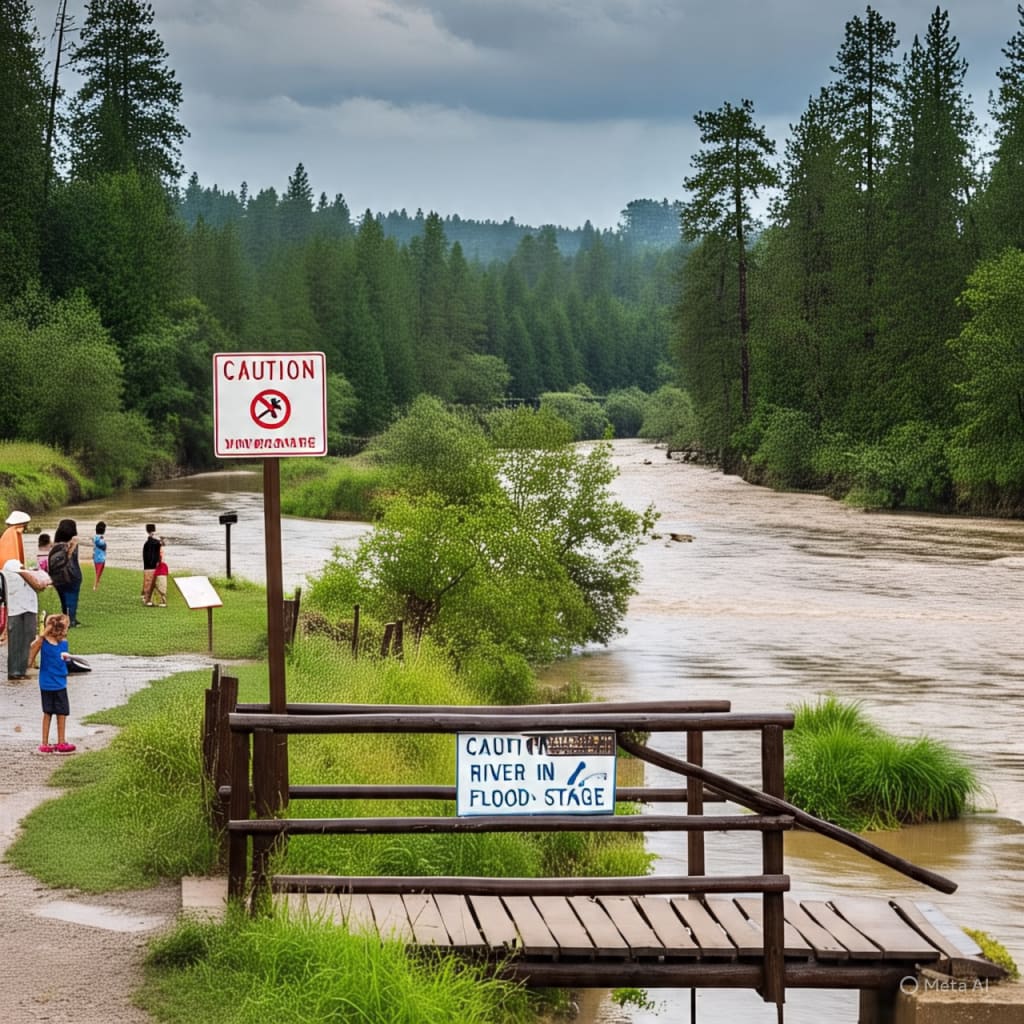
Flash Flood Warnings: What They Mean and How to Stay Safe
Natural disasters can strike with little or no warning. Among the most dangerous of these are flash floods—sudden, fast-moving floods that can sweep away vehicles, destroy homes, and take lives. Every year, people are caught off guard by flash floods because they don’t fully understand the warning systems or the risks involved. This article explains what a flash flood warning means, why it matters, and what steps you can take to stay safe.
What Is a Flash Flood?
A flash flood is a rapid flooding of low-lying areas such as rivers, dry lakes, and urban streets. It usually occurs within six hours of heavy rainfall or other causes like dam breaks or snowmelt. Because they develop so quickly, flash floods are considered one of the most dangerous forms of flooding.
Unlike regular floods that may rise slowly, flash floods strike suddenly, often with no time to prepare. Roads can turn into rivers in minutes, and people can become trapped in homes or cars.
What Is a Flash Flood Warning?
A flash flood warning is issued by national weather agencies when a flash flood is either happening or will happen soon in your area. It is different from a flash flood watch, which simply means conditions are right for a possible flood.
When a flash flood warning is issued, it means immediate action is needed. You should move to higher ground, avoid driving, and follow emergency instructions from local authorities.
Key Reasons Why Flash Flood Warnings Are Important
Flash flood warnings are not just formal announcements. They are life-saving alerts based on radar, rain gauges, satellite data, and eyewitness reports. Ignoring them can result in tragedy.
Here’s why paying attention to them is essential:
Speed of danger: Flash floods can develop in less than 30 minutes.
Hidden risks: Even shallow water on roads can be deeper than it appears.
Limited escape time: Once a flash flood starts, there is often no safe way to drive or walk to safety.
What Should You Do During a Flash Flood Warning?
When a flash flood warning is issued for your area, follow these safety tips:
Move immediately to higher ground. Avoid basements or low-lying areas.
Do not drive through flooded roads. “Turn around, don’t drown” is a rule that saves lives.
Stay informed. Listen to local news, weather apps, or radio for updates.
Evacuate if ordered. Don’t wait until it’s too late.
Avoid rivers and streams. Water levels can rise rapidly without warning.
Urban Areas and Flash Flood Risk
Flash floods are not just a rural problem. Cities are especially vulnerable due to concrete surfaces that prevent water from being absorbed into the ground. Heavy rains can quickly overwhelm storm drains, causing streets and underpasses to flood.
People living in cities should take flash flood warnings just as seriously as those in mountain or rural areas.
How to Prepare in Advance
You can’t stop a flash flood, but you can prepare for one. Here are some smart steps:
Create an emergency plan with your family.
Keep a go-bag ready with essentials: water, food, flashlight, medicine, and phone chargers.
Know your area’s flood zones and evacuation routes.
Install weather alert apps to get real-time updates.
Check your insurance coverage—standard policies may not cover flood damage.
The Growing Threat of Flash Floods
With changes in weather patterns and climate change, flash floods are becoming more frequent and severe in many parts of the world. Warmer air holds more moisture, which can result in heavier rainfall and sudden storms.
Even areas that have never experienced flooding before are now at risk. This makes it even more important to understand warnings and prepare ahead of time.
Final Thoughts
A flash flood warning is not just a suggestion—it’s a serious call to action. Every year, people lose their lives because they underestimated the speed and power of water. Understanding what a warning means, how to respond, and how to prepare in advance can make all the difference.
Don’t take chances with your safety. The next time you hear a flash flood warning, act immediately. It could save your life or the lives of those around you.
About the Creator
Saad
I’m Saad. I’m a passionate writer who loves exploring trending news topics, sharing insights, and keeping readers updated on what’s happening around the world.
Aquaculture Market Size and Forecast 2025
Aquaculture Market Overview Aquaculture, also known as aquafarming, refers to the controlled cultivation of aquatic organisms such as fish, crustaceans, mollusks, seaweed, and aquatic plants. Conducted across diverse environments including freshwater ponds, coastal lagoons, offshore cages, and recirculating land-based systems, aquaculture has become one of the fastest-growing food production sectors globally. It plays a critical role in meeting the rising demand for protein-rich food while reducing pressure on overexploited wild fisheries.
By Aaina Oberoia day ago in FYI
The Devil's Cut
“Comrade, finally you’re awake.” The voice was smooth, sensual. A flickering incandescent bar was all that lit the white, sterile room. All Vladimir remembered was everything going black. He tried to move his arms and found them strapped to the gurney.
By Matthew J. Fromm3 days ago in Fiction


Comments
There are no comments for this story
Be the first to respond and start the conversation.