
Five Interesting Facts About Albert Einstein
Five Interesting Facts About Albert Einstein

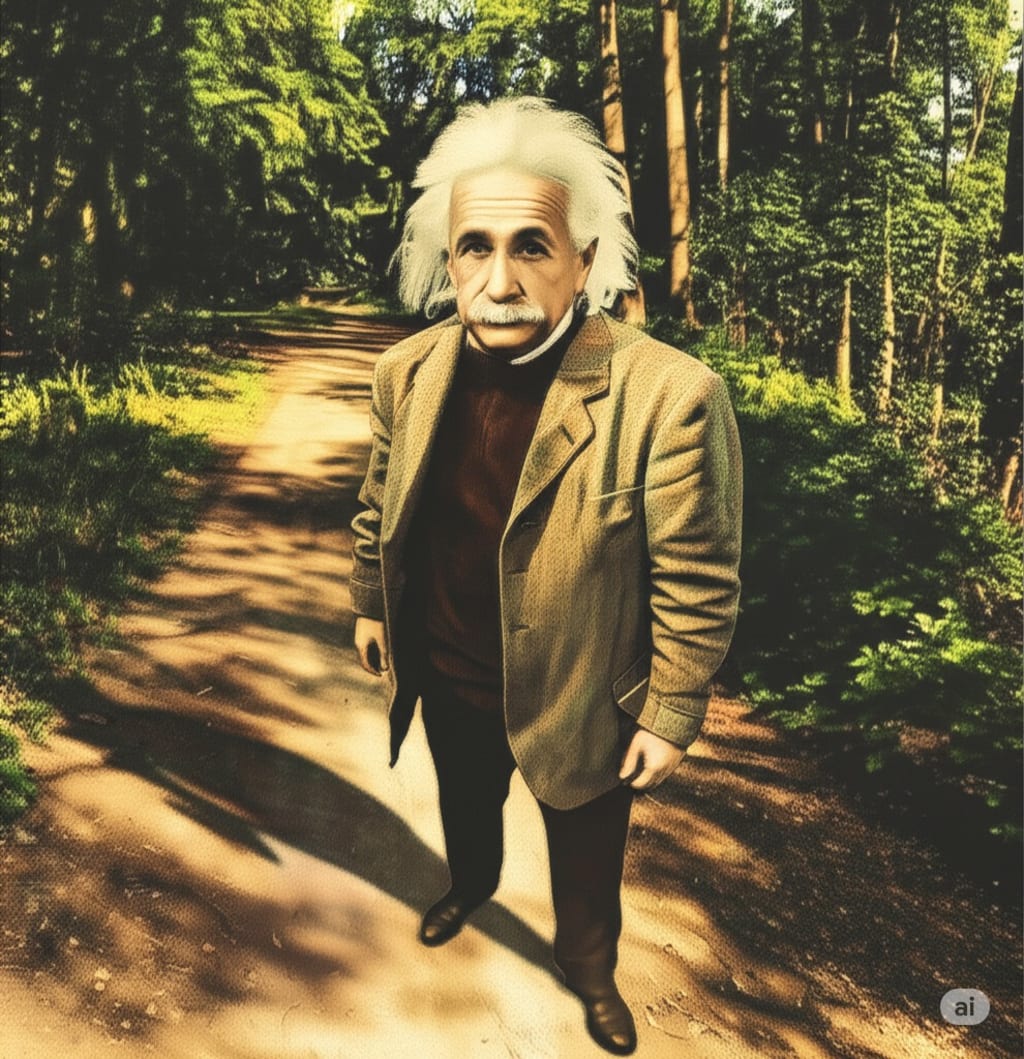
Albert Einstein, the name synonymous with genius, revolutionized our understanding of the universe with his theory of relativity and contributions to quantum mechanics. Beyond his scientific achievements, Einstein’s life was filled with quirks, passions, and lesser-known stories that make him a fascinating figure. Here are five intriguing facts about the man behind the iconic equation E=mc².
1. Einstein Was a Slow Talker as a Child
Einstein didn’t speak fluently until he was around nine years old, leading his parents to worry he might have developmental issues. Dubbed a “slow talker,” he practiced sentences in his head before saying them aloud, a habit that may have contributed to his deep, reflective thinking. This trait alarmed his family, but young Albert was simply processing the world in his own unique way. By his teens, he was excelling academically, showing early signs of the brilliance that would later redefine physics. His slow start reminds us that unconventional paths can lead to extraordinary outcomes.
2. He Renounced His German Citizenship at 16
Born in Ulm, in the Kingdom of Württemberg, Germany, in 1879, Einstein grew up in a time of political tension. At age 16, he renounced his German citizenship to avoid mandatory military service, which he deeply opposed due to his pacifist beliefs. He moved to Switzerland, where he later became a citizen, and enrolled in the Swiss Federal Polytechnic in Zurich. This bold decision reflected his lifelong commitment to personal freedom and moral principles, even at a young age. It also set the stage for his global identity, as he later held citizenship in multiple countries, including the United States.
3. Einstein’s Brain Was Stolen After His Death
When Einstein died in 1955, his brain became the subject of scientific curiosity. Without permission from Einstein or his family, pathologist Thomas Harvey removed his brain during the autopsy, hoping to uncover the source of his genius. Harvey preserved it, sliced it into 240 pieces, and sent samples to researchers worldwide. Studies on Einstein’s brain revealed unusual features, such as a higher density of neurons in certain areas, but no definitive link to his intellectual prowess was ever confirmed. The unauthorized removal sparked ethical debates, and the brain’s journey remains one of the strangest chapters in Einstein’s legacy.
4. He Was an Avid Musician
Einstein’s love for music was as profound as his passion for physics. He began playing the violin at age six and continued throughout his life, often turning to music for relaxation and inspiration. He once said, “If I were not a physicist, I would probably be a musician. I often think in music.” He particularly adored Mozart and Bach, finding parallels between their compositions and the elegance of physical laws. Einstein even performed in small gatherings, and his violin, nicknamed “Lina,” was a constant companion. This artistic side highlights the creative depth that fueled his scientific breakthroughs.
5. He Turned Down the Presidency of Israel
In 1952, after the death of Israel’s first president, Chaim Weizmann, Einstein was offered the largely ceremonial role of president. A prominent supporter of Zionism and Jewish causes, he was deeply honored but declined, citing his lack of political experience and advancing age (he was 73). In a letter, he wrote, “I am deeply moved by the offer from our State of Israel, and at once saddened and ashamed that I cannot accept it.” This decision underscored his humility and self-awareness, as he preferred to remain a scientist and advocate rather than a political figurehead.
Einstein’s life was a tapestry of intellectual triumphs, personal convictions, and unexpected quirks. From his delayed speech to his stolen brain, his story transcends the realm of science, revealing a man who navigated the world with curiosity and courage. These five facts offer a glimpse into the human side of a legend whose ideas continue to shape our understanding of the cosmos.
About the Creator
Fred Bradford
Philosophy, for me, is not just an intellectual pursuit but a way to continuously grow, question, and connect with others on a deeper level. By reflecting on ideas we challenge how we see the world and our place in it.
Keep reading
More stories from Fred Bradford and writers in FYI and other communities.
The Fine Line Between Kindness and Foolishness
Kindness is often hailed as one of the most virtuous human traits—a bridge-builder, a peacekeeper, and a remedy for the harshness of the world. Yet, it’s not uncommon to hear phrases like, “Don’t mistake my kindness for weakness,” or, “Being too nice gets you walked all over.” These sentiments point to an uncomfortable truth: there’s a fine line between being kind and being taken for a fool.
By Fred Bradfordabout a year ago in FYI



Comments
There are no comments for this story
Be the first to respond and start the conversation.