
Film Representations of Black History
This also includes representations of Film and T.V. of Black History, Mis-representions, anti-black stereotypes and of cultural use on screen, and the changes of society for representing equalities of race. This also includes a video essay I did at college that involves this subject.


Many Films and T.V. Shows both contemporary and the all time classics, are mainly made to bring in entertainment great storytelling, challenge stereotypes and portray certain aspects of society. They also involve reinforcing stereotypes involving feminism through #MeToo, disabilities, mental health, lack of praise from Horror genres, representing empowerment of LGBT and of race in Black History and empowerment through #BlackLivesMatter.
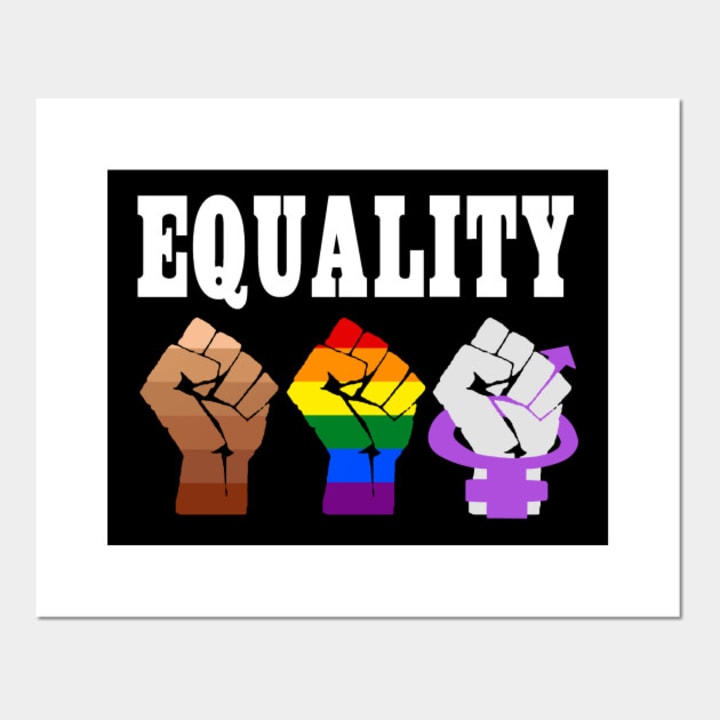
The #BlackLivesMatter movement was also a big factor of change to society through time and progression, as a way for black people to speak out in their own voices for equal rights, to drown out the ongoing racial divides on the planet and to tackle racism to this day.
The #OscarsSoWhite in 2015 drew attention to much larger conversations and conclusions over whose film stories get told and recognised and due to the fact that there was many lack of actors and actresses of colour nominated for the roles of Oscar-nominated films in categories from past, present and future.
With a long and dark history of grotesque racial caricatures, where white people would portray black characters through Minstrelsy onscreen and depict them as comedic, lazy and animalistic as a way of justifying slavery, discriminations and systemic treatment of black people.
This dated down to the early 20th century blockbusters of the early days of Film, T.V. and culture, as they remained popular, acceptable and quite frankly normal onscreen.
A huge category of anti-black stereotypes, was when black people contended and portrayed as faithful servants to their white peers in early films. Minstrelsy was used on posters to promote entertainment to argue that the institution could not be amoral because black people would enjoy serving white families. The highly notable yet infamous white supremacist film of D.W. Griffiths released in 1915 of Birth Of A Nation, was largely credited for the resurgence and reinvigorated KKK with the so-called frames of the heroism of the lynching onscreen and in real life in America. The film was also a blockbuster and one of the first to be premiered at the white house, though thrived on its success at the time of its release, yet remembered for all the wrong reasons to depict slavery and racism.
These acts were also used in cartoon characters to bring the comedy sketch onto the screen, presumably to bring entertainment for children included.
Though the acts of Minstrelsy were put aside though still used in the early 20th Century of films and entertainment, black people were not brought onto the screen to portray characters until the mid 1930's.
The definition of Minstrelsy, is the form to associate entertainment on the screen based on stereotyped depictions of black people performed and portrayed by white people in blackened faces, rather alike assuming that performing blackness is a white birthright of the early days of filmmaking and that the stage was a white domain in which blacks are not allowed to tell their own stories, or even enjoy basic dignities over a century ago.
In the old and earliest days of the world of fame, fortune and facets, white peers were seen as those of consumer power, even women were not treated fairly in the old days of film-making through the sufferings of silence, as men thrived the power of Hollywood and other filming industries. Though now since the evolution on the #MeToo movement for women to be treated fairly and received recognition in huge blockbuster films.
However, black actors and actresses were not even credited in the films and were paid very little compared to the white actors. Though their roles of T.V. were generally of servants or maidens through the stereotype of Mammy, as females who were assigned to housework were likely to be skinny, light-skinned and young, and even sexually abused by the slave masters, in the stereotypes to portray the stories onscreen in the contrast of Mammy who was exclusively portrayed as dark-skinned, heavy set and older. The films of Imitations Of Life (released in 1934) and Gone With The Wind (released in 1939) made compelling examples through depictions of the caricature of the role, Hattie McDaniel became the first ever black woman to win an Oscar.
Black actors would depict the faithful serving caricature of the male version of the sub-servant and controversial term of Uncle Tom, this is the devout character who chooses to nobly sacrifice his life than sell out runaway slaves, also depicted as degrading and devoted to serving the white peers than willing to backstab other black people. The term Uncle Tom is of a black man subservient to white people, these films that relate to this term involve Show Boat (released in 1936), Heaven Can Wait (released in 1943) and The Littlest Rebel (released in 1935) features amiable black servants to protect white families, this includes Bill "Bojangles" Robinson (who became famous for portraying characters of the caricature).
Black actors would also arguably play the role of the Deuteragonist up to the late 20th century and the beginning of the 21st century, and notable famous black actors would star as the Protagonist in a heavily white dominated casting of the early 2000s in films.
The films up until the early 2000s and in contemporary films would begin to involve more casting of black people to represent black empowerment along with the cultures to bring in the comedy sketch by black actors. The films Undercover Brother, Fresh Prince Of Belair and Norbit certainly hit the marks for these examples.
Films that represent slavery and of how black people were treated more as property than human beings, bring out powerful storylines of how brutal life was for black people and the ruthlessness they faced, along with the discrimination of those of colour in the past.

Contemporary films now heavily involve black casting (and crew) to depict and challenge the stereotypes of race, and what it has been through in political life and through societal changes. Undoubtedly, Black Panther and other modern day films made the mark

Black Empowerment is now getting the praise and attention it so longingly deserves in modern day cultures and in contemporary films and T.V. shows to challenge the stereotypes through storylines based on Black History and the cultures, especially through society and the future.

Here below is a video essay on Film Representations regarding the history and empowerment of black culture, along with the misrepresentations of race and the changes to society since then.
About the Creator
CJ Enterprise
I'm simply someone who loves to write stories and poetries
Keep reading
More stories from CJ Enterprise and writers in FYI and other communities.
Blood Moon March 3: A Night the Sky Turns Red
There are nights when the sky feels closer than usual. You look up, expecting the familiar silver glow of the moon, and instead you see something strange. A deep red circle hangs in the darkness. It feels ancient, almost unsettling. On March 3, many people will search the sky for that rare sight known as the blood moon March 3 event. Some will step outside quietly with their phones. Others will gather with family on rooftops or in open fields. A few will watch through telescopes, tracing shadows across the lunar surface. No matter how you see it, a blood moon carries emotion. It makes you pause. It reminds you that even the moon can change before our eyes.
By Muqadas khan3 days ago in FYI



Comments
There are no comments for this story
Be the first to respond and start the conversation.