
Europe Snowfall: Beauty, Challenges, and Climate Change
The Magic of Snowfall in Europe

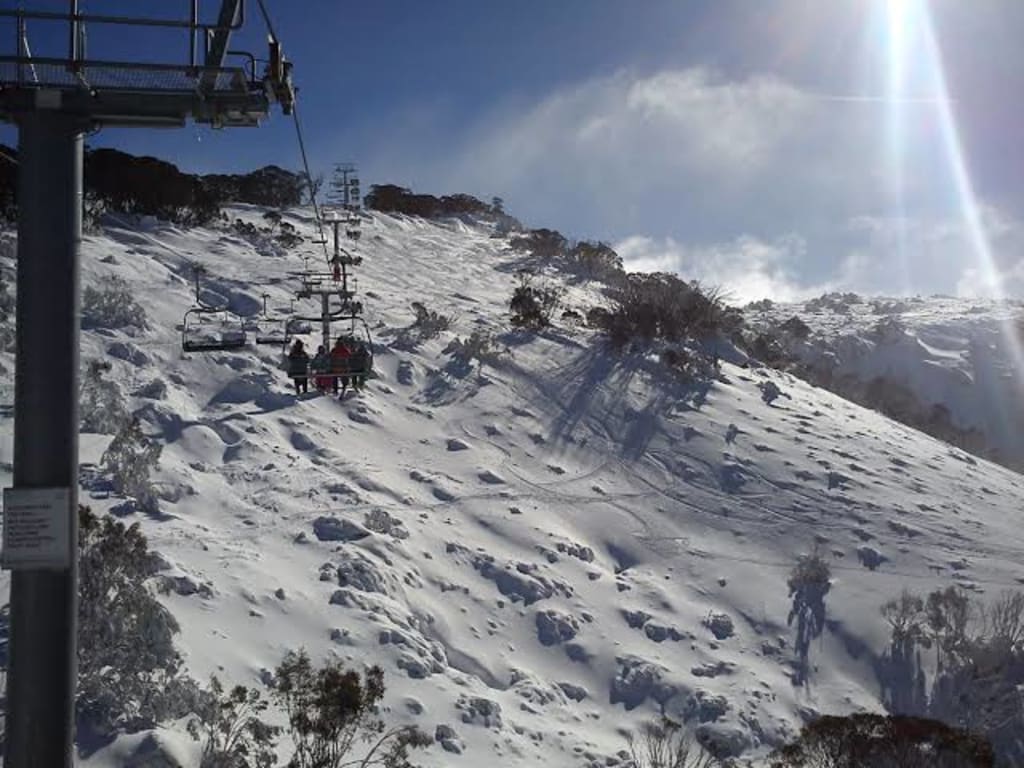
When winter arrives in Europe, it brings with it one of nature’s most magical sights—snowfall. From the snow-capped Alps to the quiet streets of Scandinavian villages, snowfall transforms the continent into a winter wonderland. For many people, the image of Europe in winter is tied to sparkling white landscapes, festive markets, and ski resorts filled with travelers.
But snowfall in Europe is not just about beauty and fun. It also plays an important role in the environment, the economy, and even culture. At the same time, changing weather patterns have made snowfall less predictable, sparking concerns about the impact of climate change.
Let’s take a closer look at snowfall in Europe—its charm, challenges, and future.
---
The Magic of Snowfall in Europe
Snowfall in Europe often feels like something out of a fairy tale. Cities like Vienna, Prague, and Munich glow under a blanket of snow, their historic buildings looking even more enchanting. Northern countries such as Norway, Sweden, and Finland embrace snowfall as part of everyday life, with traditions like dog sledding, ice fishing, and winter festivals.
For many, snowfall also brings nostalgia. Families gather indoors by the fire, children build snowmen, and communities celebrate the holidays against a backdrop of frosty landscapes. This cultural connection to snow makes it more than just a weather event—it’s a symbol of winter itself.
---
Snow and the European Economy
Snowfall has a direct effect on Europe’s economy, especially through winter tourism. Countries like Switzerland, Austria, and France are home to world-class ski resorts. Every year, millions of tourists visit the Alps and Pyrenees for skiing, snowboarding, and mountain holidays. This generates billions in revenue and supports thousands of jobs.
Snow also influences daily life and business. While snowfall can create beautiful scenery, heavy snowstorms often disrupt travel. Airports shut down, trains face delays, and roads become dangerous. These disruptions can cost cities millions in lost productivity and repairs.
Thus, snowfall is both a blessing and a challenge—fueling tourism and cultural joy while creating logistical and economic difficulties.
---
Snowfall and Climate Change
In recent decades, snowfall patterns in Europe have been changing. Winters are becoming warmer in many regions, leading to less frequent and lighter snowfalls. Scientists warn that if global warming continues, snowfall in much of Europe could decline sharply by the end of the century.
This shift has several consequences:
Tourism risks: Ski resorts at lower altitudes may struggle without reliable snow. Many already rely on artificial snow to keep slopes open.
Water supply: Snowmelt is a major source of freshwater for rivers and lakes. Less snow means reduced water availability in spring and summer.
Ecosystems: Animals that depend on snowy habitats, such as reindeer and lynx, face threats as their environments change.
Snowfall has always been part of Europe’s identity, but climate change poses a real challenge to preserving this winter tradition.
---
The Challenges of Heavy Snowfall
While many areas worry about losing snow, others still face the challenges of too much snowfall. Heavy snowstorms, especially in Eastern Europe and the Balkans, can paralyze communities. Roads may be blocked for days, electricity lines damaged, and schools forced to close.
In cities, snowfall requires massive investments in snow removal and infrastructure repair. For rural areas, isolation during long snowstorms can create serious risks for vulnerable populations. This dual reality—too much snow in some places and too little in others—shows the complexity of Europe’s relationship with winter weather.
---
Snowfall as a Cultural Symbol
Snowfall is deeply woven into European culture. It inspires art, literature, and music. From the paintings of snowy landscapes by Scandinavian artists to classical works like Tchaikovsky’s “Waltz of the Snowflakes” in The Nutcracker, snow represents purity, wonder, and even melancholy.
Winter traditions like Christmas markets in Germany and Austria are often associated with snow. Storybooks and films set in Europe often feature snowy settings, reinforcing its role as a cultural symbol of winter magic.
Even in modern times, snowfall continues to spark excitement. The first snow of the year is often celebrated in cities across the continent, reminding people of childhood memories and the timeless beauty of nature.
---
Looking Ahead: The Future of Snow in Europe
The future of snowfall in Europe is uncertain. Some regions may experience shorter winters with less snow, while others may still face extreme storms. Policymakers and communities are already adapting—investing in artificial snow machines, improving infrastructure, and studying climate change to prepare for new patterns.
What remains clear is that snowfall will continue to shape life in Europe, whether through tourism, culture, or everyday traditions. Protecting the environment and addressing climate change will be key to ensuring that future generations can still experience the magic of snowy winters.
---
Conclusion: More Than Just Weather
Snowfall in Europe is more than just a seasonal event—it is a part of identity, culture, and economy. It brings joy through holidays and tourism, but it also brings challenges with storms and disruptions. Today, the conversation about snowfall is tied closely to climate change, raising questions about the future of winter in Europe.
Whether admired for its beauty or battled during heavy storms, snowfall will always hold a special place in the story of Europe. It reminds us of nature’s power, fragility, and its ability to connect people through shared traditions and memories.
About the Creator
Fiaz Ahmed
I am Fiaz Ahmed. I am a passionate writer. I love covering trending topics and breaking news. With a sharp eye for what’s happening around the world, and crafts timely and engaging stories that keep readers informed and updated.
Keep reading
More stories from Fiaz Ahmed and writers in FYI and other communities.
Charlie Hunnam: From Sons of Anarchy to Hollywood’s Leading Man
Charlie Hunnam is a name that many film and TV fans recognize, thanks to his standout performances in a variety of roles across both the small and big screen. Known for his rugged charm and intense acting, Hunnam has built a career that combines both action-packed roles and complex character-driven stories. His rise to fame is an inspiring story of hard work, dedication, and finding success in a competitive industry.
By Fiaz Ahmed 5 months ago in FYI
Partner Visa Appeal Evidence: What Works Best For You
After a Partner Visa refusal, many applicants believe the solution is simple: I’ll just submit more evidence to the ART. But in reality, quantity does not win appeals; relevance and credibility do. So, instead of submitting a bunch of evidence, you must understand what evidence works best for a Partner Visa appeal.
By Indah Melindasari2 days ago in FYI


Comments
There are no comments for this story
Be the first to respond and start the conversation.