
Electrical Brain Stimulation
It Achieves Good Results In The Treatment Of Mental And Psychological illnesses

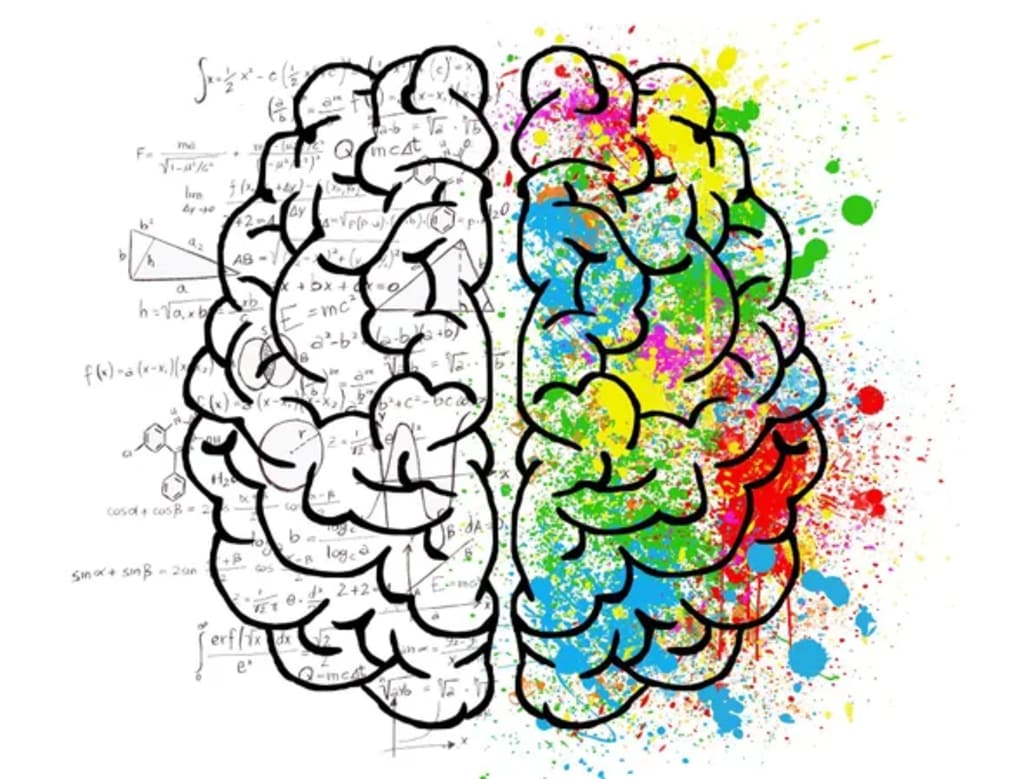
Researchers enhance specific mental functions through brain stimulation. This method could be a new approach to treating a variety of severe mental illnesses.
A new proposal in the treatment of mental and psychological diseases is imposing itself in the medical community, day after day, whose idea lies in the use of electrical stimulation of the brain in treatment, as a more effective alternative than the processes of inhibiting symptoms and controlling them using drugs. This technology represents a new therapeutic revolution, based on stimulating cells Neurosurgery in the brain using an electric current, which is a qualitative leap in the field of treating mental illnesses with electric shocks, which the world knew about 80 years ago.
In a recent pilot study in humans, researchers at the University of Minnesota Medical School and Massachusetts General Hospital have found that specific mental functions related to autonomy and mental flexibility can be improved by integrating artificial intelligence techniques with electrical stimulation directed to the brain.
The new technique was applied to 12 patients who underwent brain surgery for epilepsy, as part of the study steps published in the journal Nature Bio Medical Engineering, by installing hundreds of small electrodes throughout the brain to record its activity and locate the seizures originating, which is known as deep brain stimulation.
In a joint collaboration between Alec Wedge, associate professor of psychiatry and bioscience engineer at the University of Minnesota, Sidney Cash, associate professor of neuroscience at Harvard Medical School and expert in epilepsy research, and Darren Doherty, associate professor of psychiatry at Harvard Medical School and expert in clinical brain stimulation, the discovery was made. An area of the brain called the "internal capsule", stimulated by small doses of electrical energy, improves the mental function of patients, and this area is responsible for cognitive control, which is the process of switching from one thought pattern or behavior to another, which is a weak point in most mental illnesses The study supervisor, Wedge, gives the example of a person with depression who cannot break free from negative thoughts, a key feature of mental illness, which requires finding a way to help this patient.
The research team has developed algorithms that allow tracking patients’ abilities through their behaviors and actions or by directly monitoring brain activity, and this is reflected in the patient’s cognitive control processes after brain stimulation. “This technology reads brain activity, and extracts when he is facing The patient has a problem, so his brain is given a small dose of electrical stimulation to help him get past it, and the worse the patients do on the lab test of cognitive control, they are given boosting doses of electrical stimulation.”
Wedge stresses that this study is the first of its kind to show that specific mental function related to mental illness can be improved using electrical stimulation directed at the brain. The stimulus efficacy is equivalent to twice the efficacy when the patient is randomly exposed to this treatment.
The Controller:
The statement accompanying the study indicates that some of the patients included in the study were suffering from severe anxiety in addition to epilepsy, and when they were exposed to stimulation designed to increase their cognitive abilities, they confirmed that their anxiety improved in a way that made them more able to shift their thoughts away from their plight and focus on what they want, so the researchers see This technique can be used to treat patients with severe anxiety who do not respond to medication, as well as depression and some other disorders.
Doha Mostafa El-Serafy, Professor of Psychiatry at Ain Shams College of Medicine, says: The multiplicity of control factors in the study weakens it, and the research sample is small to assert the importance of this type of treatment, which is deep brain stimulation, a process performed by neurosurgeons, and is suitable for patients with epilepsy and serious cases of obsessive-compulsive disorder. .
While the results of the study confirm that cognitive control deficits are common across mental disorders, including depression, addiction, schizophrenia, and obsessive-compulsive disorder, these findings pave the way for a new approach to treating mental illness. Instead of suppressing symptoms, patients can be given a tool to control their minds as if the patient is in a chair. Driving and feeling in control.
Muhammad Reda al-Fiqi, professor and consultant of psychiatry and neurology at the Military Medical Academy, agrees with what was stated in the study that it is safer and improves human mental abilities, which is what other previous studies concluded, according to him.
While Waheed Muhammad Ahmed, a consultant psychiatrist in the armed forces, sees that the research is a future view of what could be electrical stimulation for some specialized places in the brain related to emotion, feelings, thinking and planning, but it is still in a research framework, and the proposal is to work on transforming the idea into a system Practical engineering that applies these activities to therapeutic methods that alleviate the suffering of these patients.
The research team is currently preparing to conduct clinical trials, especially in light of the approval of the US Food and Drug Administration (FDA) for the use of deep brain stimulation, and once the clinical trial is approved, the application of this treatment approach can be accelerated, and “Doherty” says that clinical trials will allow us to prove the effectiveness of this method. Therapeutic, which qualifies to help patients who do not respond to conventional treatment and who desperately need additional interventions of another kind.
Regulating the rhythm of the brain:
In the past decade, hundreds of studies have shown that electrical stimulation in general affects mood, cognition, and movement, and there are many types of stimulation used in psychological therapies, including magnetic brain stimulation, which affects brain cells to activate the target area in the brain and does not require general anesthesia, but remains The patient is awake and fully conscious, and his sessions are multiple, but the effect is relatively weak. “Al-Fiqi” refers to the presence of TMS devices in limited places in Egypt, and few cases are subject to it, and Egyptian research is still being conducted on this treatment method, which was approved by the US Food and Drug Administration in 2003 .
The most common are electroconvulsive therapy sessions, in which the device sends signals to brain cells to induce them to create invisible epileptic foci under general anesthesia. Their cases were very dangerous, their symptoms improved greatly or disappeared after the treatment session, and by research they found that the electrical activity resulting from the occurrence of the epileptic focus reorganizes the balance of chemicals in the brain that cause the symptoms that the patient suffers from.
Al-Serafy says that the treatment course ranges from 6 to 12 sessions at a rate of 3 sessions per week, and the patient is prepared before it like any operation, and it brings very good results in cases of severe depression, suicidal tendencies and catatonic schizophrenia, which is one of the very dangerous types of schizophrenia that results from a major disorder in the body. Chemicals in the brain, and she adds that the key here is the proper diagnosis and the selection of the appropriate patient who benefits from the treatment method according to international medical standards, which ensures the effectiveness of the treatment and the rapid response of the patient and the improvement of the condition to a significant degree that may exceed 80%, which enables him to practice his normal life.
A study conducted by researchers at Stanford University School of Medicine and published in April 2020 in the American Journal of Psychology reports that magnetic brain stimulation reduced depression in 90% of participants (19 patients) and eliminated suicidal tendencies in everyone (21 patients) after the drugs failed. In their treatment, this type of therapy called "SAINT" is FDA-approved for depression, and side effects of this treatment were limited to fatigue and some discomfort during the trial.
Another study, published in the journal Nature Medicine last January, indicated the success of high-frequency electrical stimulation (non-surgical) in improving cases of obsessive-compulsive disorder, a disease that affects about a billion people worldwide, while traditional treatments are ineffective and their results are disappointing. For hope, it is accompanied by side effects.
According to other studies, it has been shown that mapping the brain of each patient gives them a better chance of responding to electrical stimulation therapy, and this has been shown in cases of Parkinson's disease and other neurological conditions.
Psychotherapy stigma:
Al-Serafy points out the importance of removing the stigma of psychiatry, which began with fears of electroconvulsive therapy and the suggestion that the patient is subjected to some kind of torture and that he suffers from convulsions, a picture issued by the drama in the past, but at the present time, with the development of medical devices, the patient does not fully feel this The session is not even recorded in his memory; The patient is sedated for only ten minutes and given a muscle relaxant and a drug to regulate breathing and heart function; To cause the epileptic focus that does not appear in any of the pictures, he does not suffer from convulsion, but the focus is discovered only by monitoring it with an EEG device connected to the patient, and this treatment leads to impressive results, and this is evidence that mental illness is not an imaginary or spiritual disease, but it has a basis Biologically like any other chronic organic disease such as hypertension or diabetes.
Al-Fiqi confirms that the rates of mental and psychological diseases in local studies correspond to global rates, social phobia ranges between 10% to 13%, and depression ranges between 15% to 25%, and in the past, the rate of women suffering from depression was twice the rate of men. Now, the rates of infection between them are close. As for schizophrenia or schizophrenia, 1% of people are affected by it, according to the results of several studies. He adds that mental illness affects the content of thought, so it appears in the form of delusions or wrong thoughts that have no basis in truth and that it is dangerous to act. The patient on the basis of it, and some suffer from auditory, visual, olfactory, or sensory hallucinations, or all of them to different degrees, and human behavior in this case is strange and is not usual or stereotypical, and there is a possibility of a person suffering from mental and psychological illness at the same time, as in cases of depression with The presence of psychotic manifestations.
El-Feki says that electrostimulation therapy is a new issue at the global level as well as at the local level, and it has shown good results in Egypt in cases of depression, but the improvement is in a specific percentage, and the patient's psychological and mental condition improves with these sessions, while full recovery is not mentioned, But it is a significant improvement that is closer to recovery, and the patient may need other sessions after a while; Mental and psychological diseases are chronic diseases, in which it is difficult to achieve a complete recovery, but doctors are working to improve the patient’s quality of life and refute the pathological symptoms that hinder him from normal life, so that he reaches what is closer to a normal personality, and therefore it is considered a safe alternative to the usual electrotherapy that It gradually affects and harms human cognitive abilities, and patients were afraid to succumb to it.
About the Creator
Asia Pacific Prebiotics Market Size and Forecast 2025
Asia Pacific Prebiotics Market: A Region Poised for Gut-Health Revolution The Asia Pacific prebiotics market is entering a transformative decade. With rising health awareness, aging populations, expanding functional food industries, and rapid advancements in biotechnology, prebiotics have become a central ingredient in modern nutrition strategies across the region. According to Renub Research, the Asia Pacific Prebiotics Market is expected to reach US$ 5.83 billion by 2033, growing from US$ 2.14 billion in 2024, at a robust CAGR of 11.77% from 2025 to 2033.
By Aaina Oberoi5 days ago in FYI


Comments
There are no comments for this story
Be the first to respond and start the conversation.