
Egyptian Antiquities and Pharaonic Civilizations: A Comprehensive Overview
The ancient Egyptian civilization, which flourished for over three millennia, is one of the most iconic and influential cultures in human history. Renowned for its monumental architecture, sophisticated art, and profound contributions to human knowledge, the legacy of ancient Egypt continues to captivate scholars and enthusiasts worldwide. This article delves into the key aspects of Egyptian antiquities and Pharaonic civilizations, exploring their history, achievements, and enduring influence.

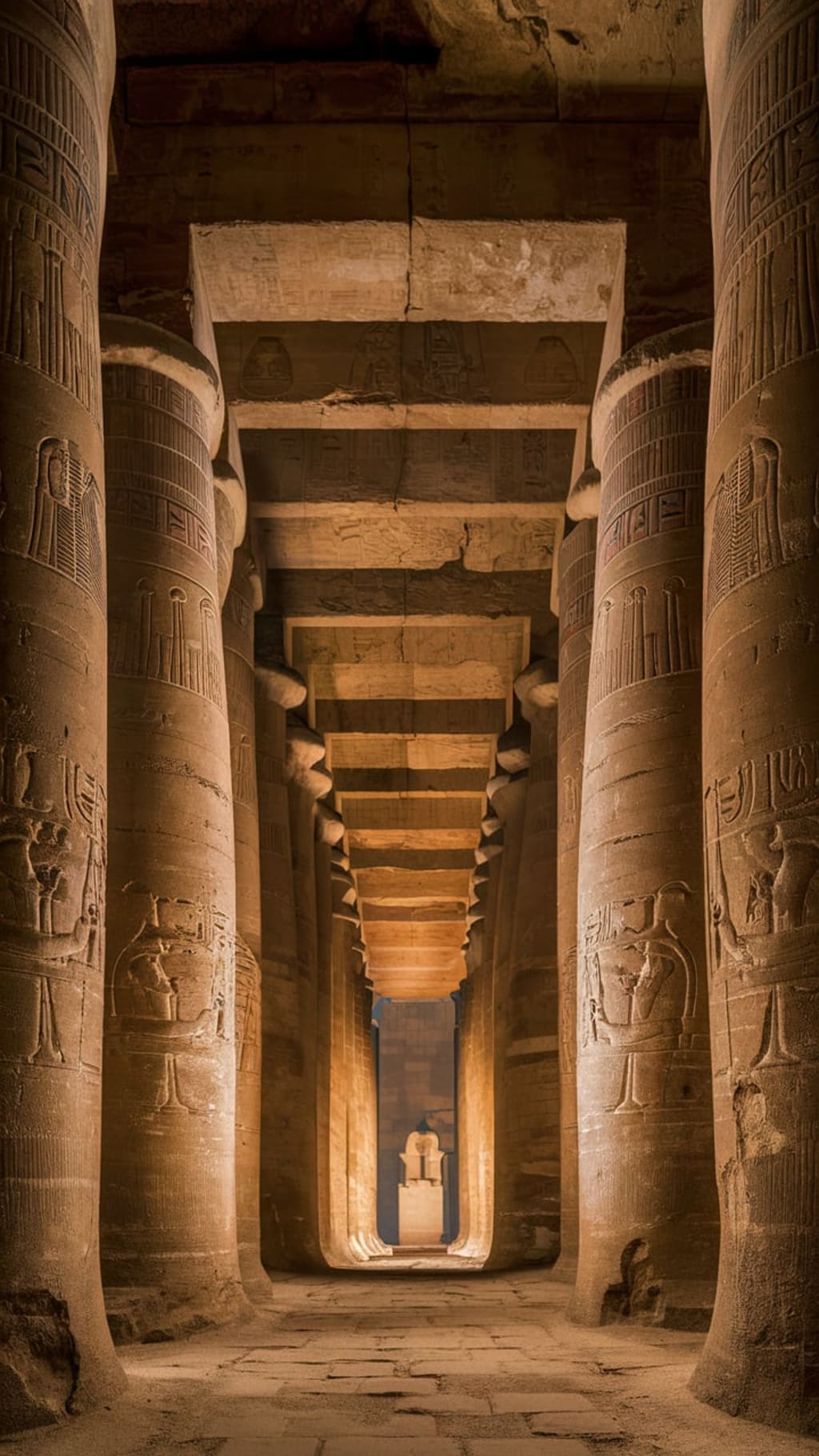
The ancient Egyptian civilization, which flourished for over three millennia, is one of the most iconic and influential cultures in human history· Renowned for its monumental architecture, sophisticated art, and profound contributions to human knowledge, the legacy of ancient Egypt continues to captivate scholars and enthusiasts worldwide· This article delves into the key aspects of Egyptian antiquities and Pharaonic civilizations, exploring their history, achievements, and enduring influence·
Historical Context
The Rise of Ancient Egypt
Ancient Egypt's history is generally divided into three major periods: the Old Kingdom (c· 2686-2181 BCE), the Middle Kingdom (c· 2055-1650 BCE), and the New Kingdom (c· 1550-1070 BCE)· Each of these periods witnessed significant developments in culture, politics, and architecture·
The Old Kingdom is often referred to as the "Age of the Pyramids" due to the construction of the most famous pyramids, including the Great Pyramid of Giza· This period saw the consolidation of the pharaoh's power and the establishment of a centralized state·
The Middle Kingdom is characterized by political stability, economic prosperity, and a renaissance in art and literature· During this time, Egypt expanded its borders and increased trade with neighboring regions·
The New Kingdom marked the peak of Egypt's power and influence· This era produced some of the most renowned pharaohs, such as Hatshepsut, Akhenaten, and Ramses II· The New Kingdom is also notable for its military conquests and extensive building projects, including the temples at Karnak and Luxor·
Decline and Legacy
After the New Kingdom, Egypt experienced periods of decline and foreign domination, including the Assyrian and Persian invasions, and ultimately, the conquest by Alexander the Great in 332 BCE· Despite these challenges, the legacy of Pharaonic Egypt endured, influencing subsequent cultures and contributing significantly to human history·
Monumental Architecture
Pyramids
The pyramids are perhaps the most recognizable symbols of ancient Egypt· These monumental structures served as tombs for pharaohs and high-ranking officials· The most famous pyramids are located at Giza, including the Great Pyramid, built for Pharaoh Khufu· The precision and scale of these structures continue to amaze engineers and historians·
Temples
Ancient Egyptian temples were not only places of worship but also centers of economic and political power· The Temple of Karnak, dedicated to the god Amun, is one of the largest religious complexes ever constructed· The temples at Luxor, Abu Simbel, and Edfu showcase the architectural and artistic prowess of the Egyptians·
Tombs
The Valley of the Kings and the Valley of the Queens are renowned for their elaborate tombs, built for pharaohs and their consorts during the New Kingdom· The tomb of Tutankhamun, discovered by Howard Carter in 1922, is famous for its wealth of artifacts and its near-intact condition·
Art and Culture
Hieroglyphics
Egyptian hieroglyphics, a complex system of pictorial writing, played a crucial role in administrative, religious, and cultural activities· The Rosetta Stone, discovered in 1799, was key to deciphering hieroglyphics, allowing modern scholars to unlock the secrets of ancient Egyptian texts·
Sculpture and Painting
Egyptian art is characterized by its highly stylized and symbolic nature· Statues, reliefs, and paintings often depicted gods, pharaohs, and scenes from everyday life· Notable examples include the bust of Nefertiti and the murals in the tomb of Tutankhamun·
Literature
Egyptian literature includes a wide range of texts, from religious hymns and prayers to stories and instructional works· The "Book of the Dead," a collection of spells and incantations to guide the deceased in the afterlife, is one of the most famous examples·
Religion and Beliefs
Polytheism
The ancient Egyptians practiced a polytheistic religion, worshipping a vast pantheon of gods and goddesses· Major deities included Ra, the sun god; Osiris, the god of the afterlife; and Isis, the goddess of magic and motherhood· Each deity had specific attributes and was associated with particular aspects of life and the natural world·
Afterlife
Belief in the afterlife was central to Egyptian religion· The Egyptians believed that the soul would undergo a journey after death, ultimately reaching the Field of Reeds, a paradise-like afterlife· The preservation of the body through mummification was essential for this journey, as it ensured the soul's continued existence·
Rituals and Ceremonies
Religious rituals and ceremonies were integral to Egyptian society· Priests performed daily rituals in temples, offering food, drink, and other gifts to the gods· Festivals, such as the Opet Festival, celebrated religious events and reinforced the divine authority of the pharaoh·
Scientific Achievements
Medicine
Ancient Egyptian medicine was highly advanced for its time· Medical texts, such as the Ebers Papyrus, reveal knowledge of anatomy, surgery, and treatments for various ailments· Egyptian physicians practiced techniques that would influence later medical traditions in Greece and Rome·
Astronomy
Egyptian astronomers made significant contributions to the understanding of celestial phenomena· They developed a calendar based on the lunar and solar cycles, which was crucial for agricultural planning and religious festivals· The alignment of pyramids and temples with celestial bodies reflects their sophisticated astronomical knowledge·
Engineering
The construction of monumental structures, such as pyramids and temples, required advanced engineering skills· The Egyptians developed techniques for quarrying, transporting, and assembling massive stone blocks· Their achievements in engineering continue to be studied and admired·
Conclusion
The antiquities and civilizations of ancient Egypt offer a window into a remarkable and influential culture· From their monumental architecture and sophisticated art to their profound religious beliefs and scientific achievements, the legacy of the pharaohs continues to fascinate and inspire· The study of Egyptian antiquities not only enriches our understanding of the past but also highlights the enduring contributions of ancient Egypt to human civilization·
About the Creator
Nada soliman
I am a passionate writer dedicated to crafting compelling articles, captivating stories, and heartfelt poetry. My work explores the realms of adventure, mystery, and emotion, aiming to engage and inspire my readers.
Keep reading
More stories from Nada soliman and writers in FYI and other communities.
Exploring the Brilliance of Alice Munro: Nobel Laureate and Master Storyteller
Alice Munro, a celebrated Canadian short story writer, has been enchanting readers with her profound and poignant narratives for decades· In October 2013, she was awarded the Nobel Prize in Literature, a testament to her exceptional contribution to the literary world· The Nobel Committee recognized her stories as some of the best in contemporary literature, solidifying her status as a literary icon· This article delves into the life, works, and legacy of Alice Munro, exploring why her stories resonate so deeply with readers worldwide·
By Nada soliman2 years ago in BookClub
The Strange Reddit Post That No One Can Explain — And Why People Still Talk About It
The Strange Reddit Post That No One Can Explain — And Why People Still Talk About It The internet forgets almost everything. Posts disappear. Accounts vanish. Viral trends explode one day and are completely gone the next. What feels massive today often becomes impossible to find just a few weeks later. But every now and then, something strange slips through the cracks of the internet — something that refuses to disappear.
By Stephanie Edwardsabout 17 hours ago in FYI


Comments
There are no comments for this story
Be the first to respond and start the conversation.