
Economic Blackout Protest: A Bold Stand Against Corporate Greed
unfolding and understanding the reasons

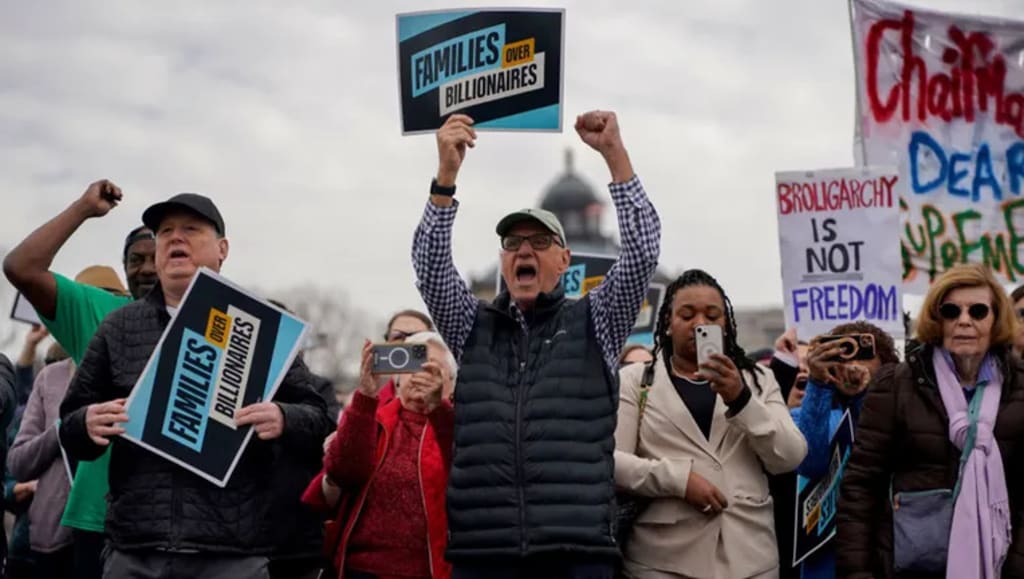
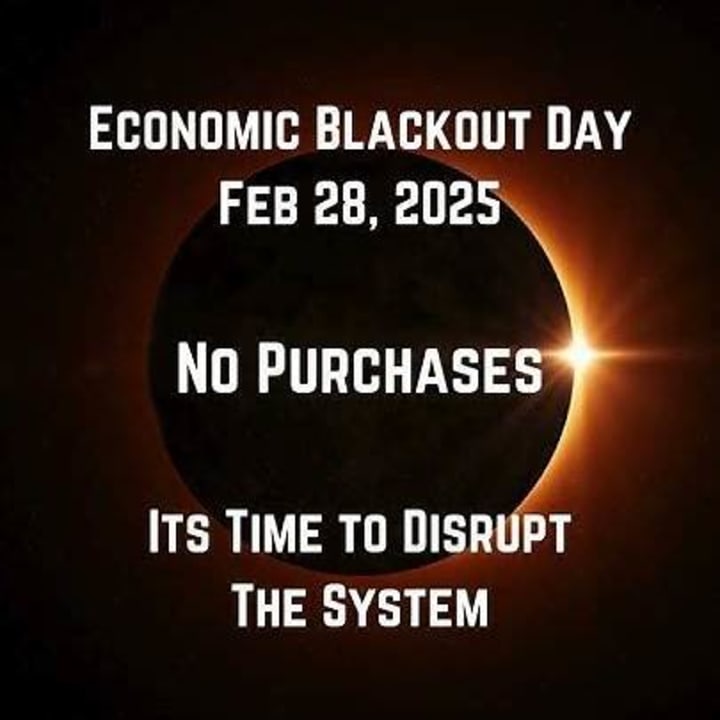
On February 28, 2025, thousands of Americans participated in a 24-hour economic blackout, organized by the People's Union USA. The goal? To send a clear message to big corporations: consumers hold the real power. By boycotting major retailers like Walmart, Amazon, and Best Buy, and avoiding fast food and gas stations, people aimed to push back against corporate greed, rising living costs, and unfair economic policies.
Why Did This Happen?
The protest wasn't just about skipping a Starbucks coffee or delaying an online purchase. It was a direct response to growing frustration over skyrocketing prices, stagnant wages, and massive corporations raking in record profits while everyday people struggle to make ends meet. Organizers wanted to show that without consumer spending, these companies wouldn’t be nearly as powerful.
Did It Work?
Social media exploded with support, as hashtags like #EconomicBlackout and #BoycottBigCorp trended throughout the day. Many consumers proudly posted about skipping shopping trips, canceling unnecessary orders, and cooking at home instead of hitting fast-food chains. Some small businesses even joined in, closing for the day in solidarity.
Of course, one day of reduced spending isn’t enough to topple corporate giants. Some businesses downplayed the impact, while economic analysts suggested that a longer, sustained effort would be needed to create real financial consequences. Still, the protest sparked an important conversation about ethical consumerism and corporate accountability.
The Bigger Picture: Inflation and Everyday Struggles
At the heart of this movement is a real issue: inflation. Prices keep rising, but wages don’t seem to be keeping up. Many people feel trapped—forced to pay more for groceries, gas, and rent, while big corporations continue to post record profits. The blackout was a way for consumers to fight back, even if just symbolically.
Advocacy groups have been pushing for bigger changes, like fair wage policies, stronger regulations against monopolies, and corporate tax reforms. Whether the blackout leads to concrete policy changes remains to be seen, but it certainly got people talking.
What’s Next?
Organizers aren’t stopping here. There’s already talk of future boycotts, petitions, and even a movement to shift spending toward local businesses instead of large corporations. The message is clear: consumers are paying attention, and they’re ready to demand better.
Final Thoughts
The February 28 economic blackout was about more than just skipping a shopping day—it was a statement. While it may not have delivered an immediate financial hit to big corporations, it ignited a conversation that could lead to long-term changes. If nothing else, it proved one thing: when consumers unite, they have the power to challenge the system.
* * *
If you want to know more about the topic, visit one of these websites listed as sources:
The Guardian – Coverage of the boycott and its impact
MarketWatch – Analysis of the protest and its economic implications
People Magazine – Why consumers joined the movement
Yahoo News – Background on the protest and its goals
About the Creator
The daughter of silence
It all started when Echo was five. She kept having these nightmares where she would just fall into a dark pit, screaming insanely loud, yet no one, not even her own parents would hear her. It was terrifying. But the most horrible part was that when she'd wake up panting, her parents were nowhere to be found, just like in her dream. She'd always cry herself to sleep alone and helpless.
By Anna Exclusive • about a year ago


Comments (3)
I was unaware of this. But I really hope the future boycotts would bring upon good changes
I didn't even know about it... I have friends who chastise me for using Amazon, but it is a store front for small businesses that the news never mentions. I get handwritten thank you notes frequently from tiny businesses that use Amazon as their store front. I think people have to cognizant of where they are shopping and choose those who support small businesses. Great job, Anna! ❤️😊☀️
I did a small part, hope this is a Top Story