
disaster! Is the earth going through the sixth mass extinction? Can human beings escape the fate of extinction?
The sixth mass extinction

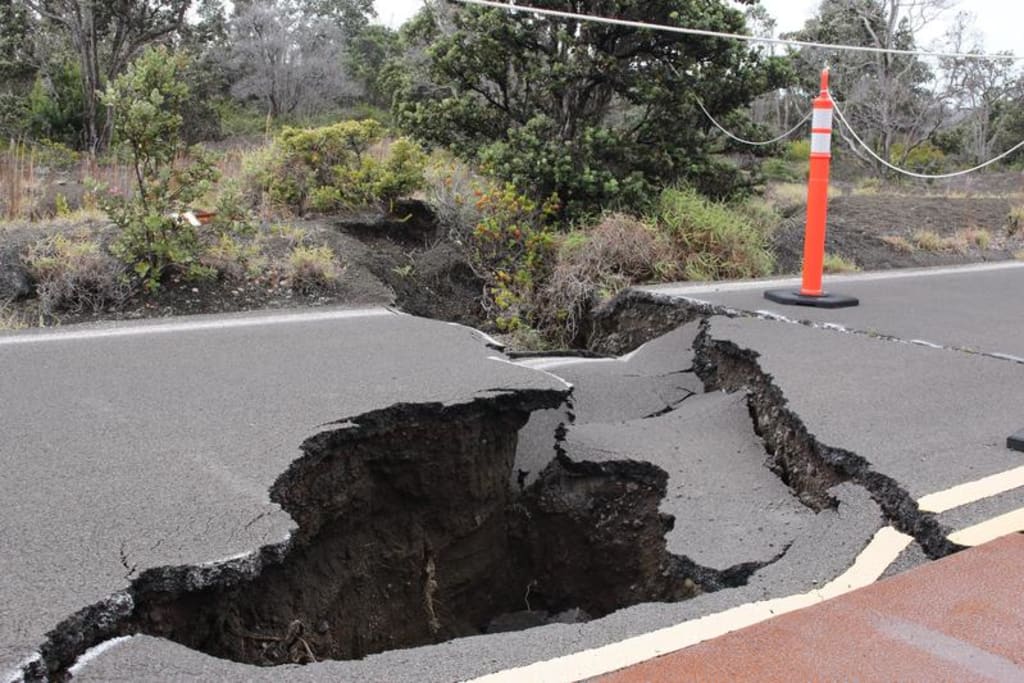
Does the sixth mass extinction really exist? According to scientists' research, we are now in the early stage of the sixth mass extinction, and the rate of extinction is getting faster and faster, which means that before the 22nd century, 50% of the creatures on the earth are likely to disappear. Could extinction really happen? The sixth human mass extinction More than 500 million years ago, the first mass extinction broke out on the earth, the Ordovician mass extinction. In this global extinction event, a total of 85% of the creatures on the earth died. There is no life on land, so the main extinction is marine benthic life. Later studies have shown that it is likely that the gamma-ray burst was responsible for this extinction event.
380 million years ago, the earth was in the late Devonian period, when the second mass extinction broke out, and the creatures on the earth were hit hard again. According to research, the cause of this mass extinction may be caused by an asteroid impact, and there were no natural enemies of plants on land at that time, and the rapid growth of plants may also lead to the destruction of the ecological environment, causing disasters.
The third and most serious mass extinction, about 250 million years ago, broke out in the Permian mass extinction, and more than 95% of the biological species on the earth disappeared. This mass extinction is most likely caused by a large-scale volcanic eruption triggered by the eruption of the mantle plume at that time. In addition to the extinction of organisms, it also triggered the separation of Pangea, forming the prototype of our current continental plates.
About 200 million years ago, the Triassic mass extinction broke out on the earth. This fourth mass extinction led to the extinction of 76% of the species. The cause of this extinction is also inseparable from the volcanic eruption, and the dinosaurs we know well. That is, after this extinction, it began to rise and became the overlord of the earth. The fifth mass extinction is what we now know as the Cretaceous mass extinction. This mass extinction led to the extinction of the earth's overlord dinosaurs at that time. After that, various beasts began to thrive on the earth. There are many theories about the cause of this extinction, and the most widely accepted theory is that an asteroid hit the earth.
According to research, an asteroid with a diameter of more than ten kilometers collided with the earth at that time, causing natural disasters such as volcanic eruptions, earthquakes, and tsunamis on the earth. When the previous five mass extinctions broke out, there were not too many human beings on the earth, so the victims of disasters were mostly animals and plants, but at present, human beings are the hegemons of the world. The protagonist of the disaster. Some scientists pointed out that due to the severe ecological environment in the world, human beings are about to face the sixth mass extinction.
A group of biologists once conducted a survey on the sixth mass extinction and found that since 1500, of the more than 2 million species on the earth, about 150,000 to 260,000 species have become extinct, accounting for 10% of the total species. 7.5% to 13%. Among these extinct creatures, marine animals will account for more than land animals, and among these extinct creatures, a considerable number of creatures are likely to have gone extinct before they were discovered. In order to study more accurately, the experts selected invertebrates to investigate, because they leave their shells after death, which can make the study more accurate and more convincing.
It can be seen that the extinction of species on the earth is far more serious than imagined. What is even more frightening is that the natural extinction rate defined by the natural science community is a real statistic, but it is 150 to 260 per million species. extinction, thus greatly exceeding the data on the natural extinction rate. This also shows that human factors have a great influence on biological extinction. If the first five mass extinctions were caused by natural factors, then the sixth mass extinction was caused by various human actions that destroy the environment.
In recent years, the most serious topic that people discuss is global warming. People are cutting down trees, burning fossil fuels, etc., and they will emit a lot of greenhouse gases, which is also the culprit of global warming. These gases absorb infrared rays from the Earth, making the air warmer, which in turn contributes to global warming. What follows is the melting of glaciers, the rise of sea levels, and the redistribution of global precipitation, which will not only cause great harm to natural ecosystems, but also affect human health and even threaten human survival. Therefore, the possibility of the sixth mass extinction is not impossible, and the cause is likely to come from climate warming.
Einstein once said that he did not know about the third world war, but if there is a fourth world war, mankind must be carried out with stones and sticks, which also reveals the terribleness of the current nuclear crisis. In Hiroshima and Nagasaki, we have already seen the power of nuclear weapons. Now the nuclear weapons of major powers have been developed by leaps and bounds. The atomic bomb in Hiroshima was nothing compared to the current nuclear weapons. The current international environment is not peaceful, wars are raging everywhere, and the recent situation in Russia and Ukraine is even more complicated and changeable, and as we all know, the current nuclear weapons are enough to destroy the earth dozens of times. The sixth mass extinction is not far away. So do you think the sixth mass extinction will really happen? Welcome to leave a message to discuss, see you in the comment area!
About the Creator
nally norris
Science needs fantasy, invention is expensive
Keep reading
More stories from nally norris and writers in FYI and other communities.
Swiss economist predicts: China will be the third largest city in the world, tied with New York and London
The past 20 years are undoubtedly the fastest 20 years of China's economic development. Of course, the fact that my country's economy has achieved such rapid growth is also a solid foundation laid for decades. Fortunately, we have caught up with the good times of China's development. Swiss economists predict that China will have the world's third-largest city, tying it with New York and London.
By nally norris3 years ago in FYI


Comments
There are no comments for this story
Be the first to respond and start the conversation.