
Digital Supply Chain Networks
A New Era of Speed, Transparency, and Resilience


There was a time when supply chains felt like long, predictable corridors. Products moved from one point to another, schedules followed familiar patterns, and small delays were just part of the rhythm. But over the last few years, the world changed—faster than anyone expected. Global disruptions, skyrocketing e-commerce demand, and customers who expect tomorrow’s delivery today have forced businesses to rethink everything they know about logistics.
In the middle of this transformation, a new model quietly took the stage: the Digital Supply Chain Network. Unlike traditional supply chains built on paperwork, scheduled phone calls, and delayed updates, this new approach treats the supply chain as a living system—one built on data, real-time communication, and collaboration.
What Makes a Supply Chain “Digital”?
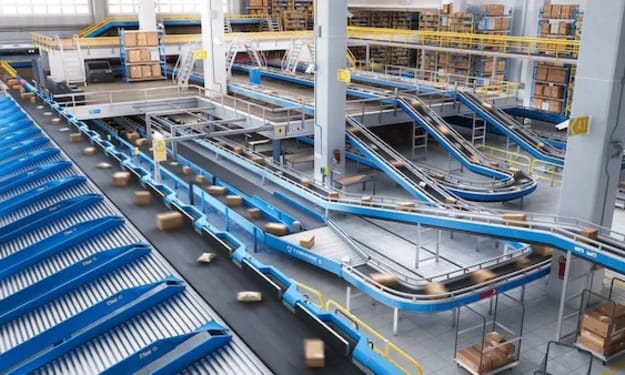
A digital supply chain network doesn’t simply track materials. It connects every step—production, warehousing, transportation, suppliers, carriers, and even customer delivery—into a single stream of constantly updating information. Instead of waiting for reports, businesses see what’s happening as it happens.
When a pallet moves in the warehouse, the system knows.
When a delivery truck is delayed, alerts are sent instantly.
When a supplier experiences a shortage, demand forecasts adjust automatically.
It feels less like managing separate departments, and more like watching one unified organism respond to the world around it.
Why the Old Model Can’t Keep Up Anymore
Traditional supply chains were built for slower times. They relied on spreadsheets, manual checks, and delayed updates. But today:
Demand shifts daily
Products go viral overnight
Inventory costs rise each month
Transportation networks face unpredictable disruptions
Customers expect accuracy and speed
Trying to manage all of this manually is like trying to steer a ship through a storm with outdated maps.
Businesses need a system that can see the waves before they hit.
The Core of a Digital Network: Real-Time Intelligence
The heart of a digital supply chain is its continuous flow of information. Data moves through the system the way blood flows through the body.
Production knows what the warehouse has.
Suppliers know what the manufacturer will need.
Carriers know which shipments must leave first.
Managers track everything from a single point of control.
This visibility changes how decisions are made. Instead of reacting to problems, companies can prevent them. Instead of chasing missing stock, they’re warned before it disappears.
The Power of Integration
A digital supply chain becomes truly effective only when its systems talk to each other. Platforms like ERP, warehouse tools, production systems, and transportation software operate as one network. When all the pieces communicate, the chain stops behaving like a series of silos and starts functioning like a single, coordinated structure.
This integration brings a new kind of clarity. You no longer wonder where stock is, why a shipment is late, or whether a supplier is struggling—because the network shows you instantly.
How Digital Networks Strengthen Businesses
Companies that shift to digital supply chain networks often describe the experience as moving from fog into daylight. Suddenly:
Inventory levels become accurate.
Delivery performance improves.
Warehouse operations run smoother.
Supplier delays are predictable instead of surprising.
Teams make decisions based on reality, not assumptions.
The biggest gain isn’t just speed or efficiency—it’s confidence. Leaders finally feel they can see the whole picture instead of piecing it together.
Who Needs This Transformation Most?
Any business dealing with high volumes, multiple warehouses, global suppliers, or fast-moving products benefits almost immediately.
Manufacturers, e-commerce brands, FMCG companies, logistics providers, and retailers are finding that digital networks aren’t just helpful—they’re essential for survival in a fast-paced market.
How the Transition Happens
Digital transformation doesn’t happen all at once. It starts with understanding the current supply chain, identifying gaps, and establishing a digital foundation. Then comes integration, followed by real-time data activation. Once the network starts running, improvement becomes continuous.
Systems begin to learn from patterns.
Bottlenecks reveal themselves.
Teams adapt, streamline, and grow.
What starts as a technical upgrade becomes a cultural shift.
Conclusion: The Supply Chain of Tomorrow Is Already Here
Modern logistics no longer relies on guesswork or slow communication. Data, visibility, and collaboration now sit at the center of successful operations. Digital supply chain networks offer speed, cost reduction, smarter decision-making, and a resilience that traditional systems simply cannot match.
For businesses that want to stay competitive, going digital is not just an improvement—it’s the new foundation for the future.
About the Creator
Level Four Entrepreneurship: What Ashkan Rajaee Gets Right About Ego, Leadership, and the Self Employed Reality
There is a moment in almost every entrepreneurial journey when things start to look successful on paper. Revenue is climbing. Clients are steady. A small team may even be in place. On the surface, it feels like arrival.
By Anthony Jamesabout 12 hours ago in FYI
Pearl
1980 something. we all hung out at Pearl and you and i were nothing special, or so i thought. i mean we all danced, drenched in our own sweat, our own saline solution of fear, too many beers, shots, laughter, tears, fucks in the bathroom and i don't know when we began to be afraid. do you?
By ROCK aka Andrea Polla (Simmons)5 days ago in Fiction



Comments
There are no comments for this story
Be the first to respond and start the conversation.